Same Day Emergency Appointments Available

Risk Factors for Heel Pain

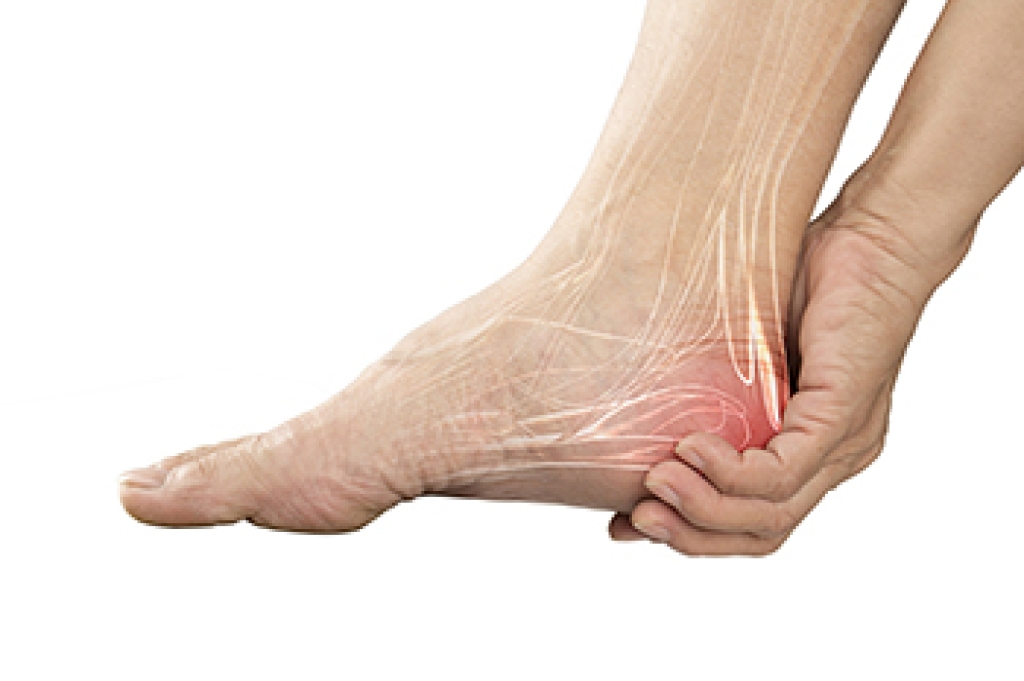
Heel pain felt along the bottom of the foot often results from inflammation of the plantar fascia, a thick band of tissue that supports the arch of the foot. Common causes include overuse, prolonged standing, repetitive impact from walking or running, and wearing unsupportive footwear. Risk factors include obesity, tight calf muscles, flat feet, high arches, and participation in high impact activities. Symptoms often involve sharp or aching pain in the heel, especially with the first steps in the morning, or after periods of rest. A podiatrist can help by diagnosing the underlying cause, recommending custom orthotics, stretching exercises, and footwear modifications to relieve pain. If you have persistent heel pain, it is suggested that you consult a podiatrist who can provide an accurate diagnosis and treatment. 

Many people suffer from bouts of heel pain. For more information, contact one of our podiatrists of Farah Podiatry Associates. Our doctors can provide the care you need to keep you pain-free and on your feet.

Causes of Heel Pain

Heel pain is often associated with plantar fasciitis. The plantar fascia is a band of tissues that extends along the bottom of the foot. A rip or tear in this ligament can cause inflammation of the tissue.

Achilles tendonitis is another cause of heel pain. Inflammation of the Achilles tendon will cause pain from fractures and muscle tearing. Lack of flexibility is also another symptom.

Heel spurs are another cause of pain. When the tissues of the plantar fascia undergo a great deal of stress, it can lead to ligament separation from the heel bone, causing heel spurs.

Why Might Heel Pain Occur?

  • Wearing ill-fitting shoes                
  • Wearing non-supportive shoes
  • Weight change           
  • Excessive running

Treatments

Heel pain should be treated as soon as possible for immediate results. Keeping your feet in a stress-free environment will help. If you suffer from Achilles tendonitis or plantar fasciitis, applying ice will reduce the swelling. Stretching before an exercise like running will help the muscles. Using all these tips will help make heel pain a condition of the past.

If you have any questions, please feel free to contact our office located in Trenton, MI . We offer the newest diagnostic and treatment technologies for all your foot care needs.

Read more about Heel Pain

Types and Treatment of Broken Ankles

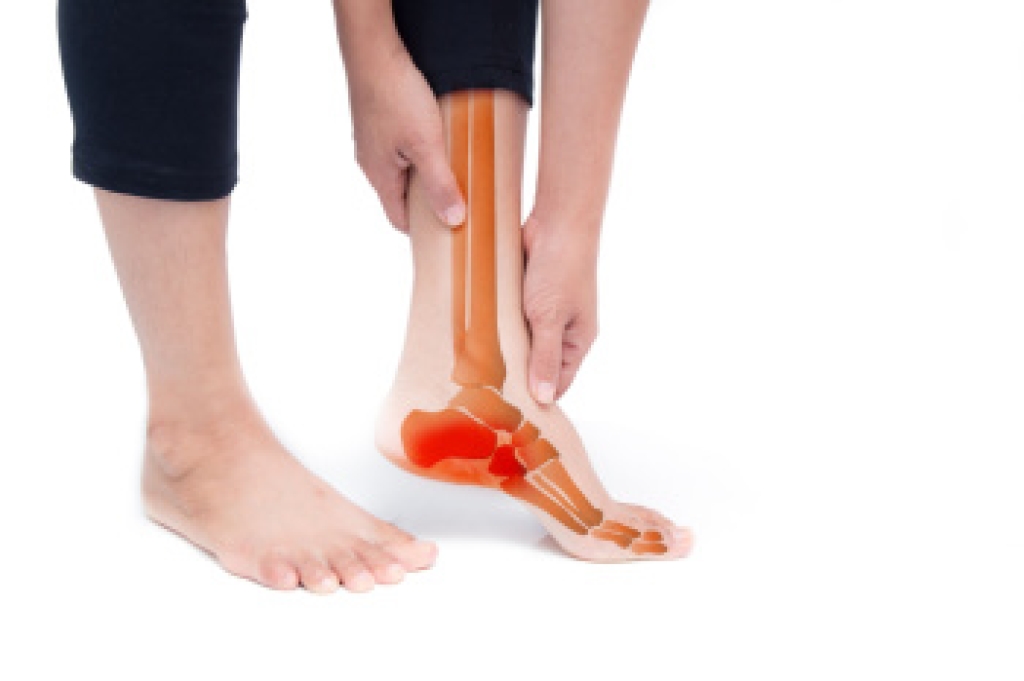
An ankle fracture occurs when one or more of the bones that form the ankle joint are broken, and the severity can vary from a minor crack to multiple complex breaks. Common types of ankle fractures are lateral malleolus fractures, which affect the outer ankle bone, medial malleolus fractures, which involve the inner bone, and bimalleolar fractures, where both sides are broken. Symptoms include sudden pain, swelling, bruising, difficulty bearing weight, and in severe cases, a visibly deformed joint. A fracture can result from twisting an ankle during physical activity, tripping and falling on a ladder or stairs, or trauma from a car accident. A podiatrist can confirm the type of fracture with imaging and determine whether immobilization, realigning the bones, or surgery is required. In some cases, plates or screws may be needed to hold the bones in place during healing. Recovery can take a few months, and exercises may be advised to restore movement. If you believe you have a broken ankle, it is suggested that you make an emergency appointment with a podiatrist for an exam, diagnosis, and treatment.

Broken ankles need immediate treatment. If you are seeking treatment, contact one of our podiatrists from Farah Podiatry Associates. Our doctors can provide the care you need to keep you pain-free and on your feet. 

Broken Ankles
A broken ankle is experienced when a person fractures their tibia or fibula in the lower leg and ankle area. Both of these bones are attached at the bottom of the leg and combine to form what we know to be our ankle.

When a physician is referring to a break of the ankle, he or she is usually referring to a break in the area where the tibia and fibula are joined to create our ankle joint. Ankles are more prone to fractures because the ankle is an area that suffers a lot of pressure and stress. There are some obvious signs when a person experiences a fractured ankle, and the following symptoms may be present.

Symptoms of a Fractured Ankle

  • Excessive pain when the area is touched or when any pressure is placed on the ankle
  • Swelling around the area
  • Bruising of the area
  • Area appears to be deformed

If you suspect an ankle fracture, it is recommended to seek treatment as soon as possible. The sooner you have your podiatrist diagnose the fracture, the quicker you’ll be on the way towards recovery.

If you have any questions, please feel free to contact our office located in Trenton, MI . We offer the newest diagnostic and treatment technologies for all your foot care needs.
Read more about Broken Ankle Causes, Differences, Symptoms and Treatments

When Nerves Stop Sending Clear Signals

Peripheral neuropathy is a condition that affects the nerves outside the brain and spinal cord, often impacting the feet first. Tingling, burning, or numbness may appear, making it difficult to sense temperature, pain, or even the feeling of the ground while walking. Some people describe the sensation as wearing invisible socks or gloves. Diabetes is one of the most common causes, but neuropathy can also result from vitamin deficiencies, certain medications, or circulation problems. Because the nerves are not working properly, small injuries may go unnoticed and progress into serious wounds or infections. Balance can also be affected, increasing the risk of falls. While symptoms vary from mild to severe, they should never be ignored. If you are experiencing changes in sensation in your feet, it is suggested that you see a podiatrist for a diagnosis and management.

Neuropathy

Neuropathy can be a potentially serious condition, especially if it is left undiagnosed. If you have any concerns that you may be experiencing nerve loss in your feet, consult with one of our podiatrists from Farah Podiatry Associates. Our doctors will assess your condition and provide you with quality foot and ankle treatment for neuropathy.

What Is Neuropathy?

Neuropathy is a condition that leads to damage to the nerves in the body. Peripheral neuropathy, or neuropathy that affects your peripheral nervous system, usually occurs in the feet. Neuropathy can be triggered by a number of different causes. Such causes include diabetes, infections, cancers, disorders, and toxic substances.

Symptoms of Neuropathy Include:

  • Numbness
  • Sensation loss
  • Prickling and tingling sensations
  • Throbbing, freezing, burning pains
  • Muscle weakness

Those with diabetes are at serious risk due to being unable to feel an ulcer on their feet. Diabetics usually also suffer from poor blood circulation. This can lead to the wound not healing, infections occurring, and the limb may have to be amputated.

Treatment

To treat neuropathy in the foot, podiatrists will first diagnose the cause of the neuropathy. Figuring out the underlying cause of the neuropathy will allow the podiatrist to prescribe the best treatment, whether it be caused by diabetes, toxic substance exposure, infection, etc. If the nerve has not died, then it’s possible that sensation may be able to return to the foot.

Pain medication may be issued for pain. Electrical nerve stimulation can be used to stimulate nerves. If the neuropathy is caused from pressure on the nerves, then surgery may be necessary.

If you have any questions, please feel free to contact our office located in Trenton, MI . We offer the newest diagnostic and treatment technologies for all your foot care needs.

Read more about Neuropathy

Keeping Ingrown Toenails From Developing

Ingrown toenails are uncomfortable and often avoidable with the right habits. One of the most important steps is wearing shoes that give your toes enough room. Tight or narrow footwear squeezes the toes together, putting pressure on the nails and encouraging them to grow into the surrounding skin. How nails are trimmed also makes a difference. Cutting them straight across, rather than rounding the edges, helps the nail grow outward instead of curving into the skin. It is also best to avoid having the nails cut too short, which can increase the chance of the edge digging in as the nail grows. Another common mistake is picking or tearing at toenails. This leaves uneven edges that can easily become embedded in the skin. If you have an ingrown toenail that has become painful, it is suggested that you see a podiatrist as quickly as possible for the right care.

Ingrown toenails may initially present themselves as a minor discomfort, but they may progress into an infection in the skin without proper treatment. For more information about ingrown toenails, contact one of our podiatrists of Farah Podiatry Associates. Our doctors can provide the care you need to keep you pain-free and on your feet.

Ingrown Toenails

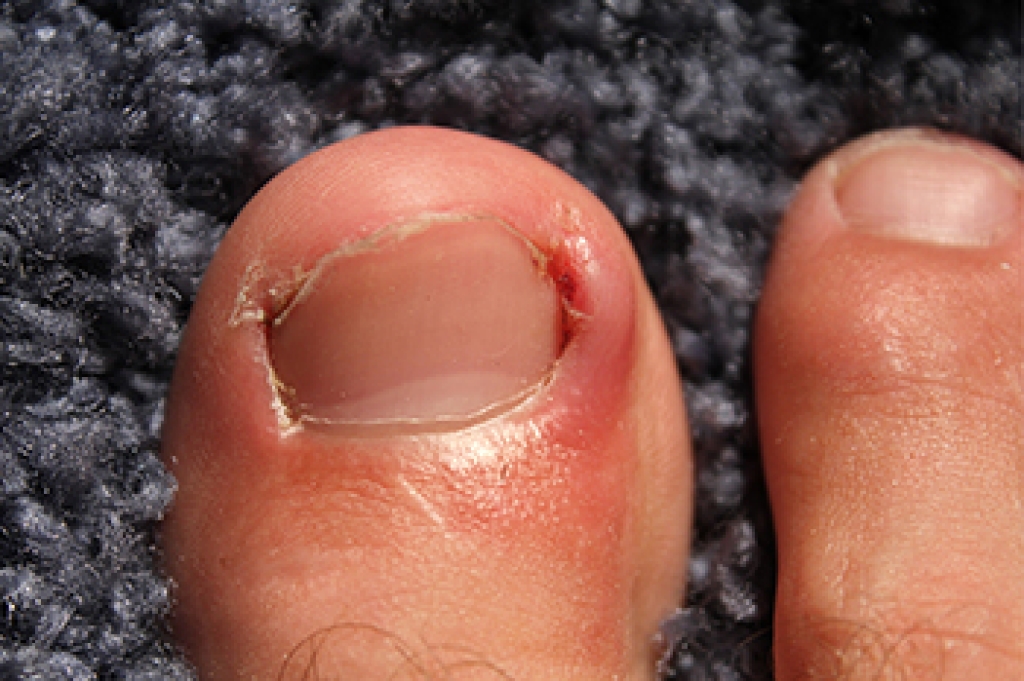
Ingrown toenails are caused when the corner or side of a toenail grows into the soft flesh surrounding it. They often result in redness, swelling, pain, and in some cases, infection. This condition typically affects the big toe and may recur if it is not treated properly.

Causes

  • Improper toenail trimming
  • Genetics
  • Improper shoe fitting
  • Injury from pedicures or nail picking
  • Abnormal gait
  • Poor hygiene

You are more likely to develop an ingrown toenail if you are obese, have diabetes, arthritis, or have any fungal infection in your nails. Additionally, people who have foot or toe deformities are at a higher risk of developing an ingrown toenail.

Symptoms

Some symptoms of ingrown toenails are redness, swelling, and pain. In rare cases, there may be a yellowish drainage coming from the nail.

Treatment

Ignoring an ingrown toenail can have serious complications. Infections of the nail border can progress to a deeper soft-tissue infection, which can then turn into a bone infection. You should always speak with your podiatrist if you suspect you have an ingrown toenail, especially if you have diabetes or poor circulation.

If you have any questions, please feel free to contact our office located in Trenton, MI . We offer the newest diagnostic and treatment technologies for all your foot care needs.

Read more about Ingrown Toenail Care

Dealing With Drop Foot

Drop foot, often called foot drop, is a condition where the foot cannot properly lift at the ankle, making it difficult to clear the ground while walking. This problem arises when the muscles at the front of the leg that control ankle motion become weak or lose function, or when the nerve supplying those muscles is damaged. People with drop foot may develop a high-stepping gait to avoid tripping, and without proper care, the ankle can stiffen into a downward pointing position. A podiatrist can evaluate the severity and underlying cause, and provide treatment to help restore mobility and function. Options include the use of an ankle-foot brace to keep the foot in a neutral position or surgery, such as tendon transfer or nerve repair, if the weakness is permanent. These treatments are designed to improve stability, walking ability, and reduce the risk of falls. If you have trouble lifting your feet when walking, it is suggested that you make an appointment with a podiatrist for treatment options.

If you have any concerns about your feet, contact one of our podiatrists from Farah Podiatry Associates. Our doctors can provide the care you need to keep you pain-free and on your feet.

Biomechanics in Podiatry

Podiatric biomechanics is a particular sector of specialty podiatry with licensed practitioners who are trained to diagnose and treat conditions affecting the foot, ankle and lower leg. Biomechanics deals with the forces that act against the body, causing an interference with the biological structures. It focuses on the movement of the ankle, the foot and the forces that interact with them.

A History of Biomechanics

  • Biomechanics dates back to the BC era in Egypt where evidence of professional foot care has been recorded.
  • In 1974, biomechanics gained a higher profile from the studies of Merton Root, who claimed that by changing or controlling the forces between the ankle and the foot, corrections or conditions could be implemented to gain strength and coordination in the area.

Modern technological improvements are based on past theories and therapeutic processes that provide a better understanding of podiatric concepts for biomechanics. Computers can provide accurate information about the forces and patterns of the feet and lower legs.

Understanding biomechanics of the feet can help improve and eliminate pain, stopping further stress to the foot.

If you have any questions please feel free to contact our office located in Trenton, MI . We offer the newest diagnostic and treatment technologies for all your foot and ankle needs.

Read more about The Importance of Biomechanics in Podiatry
scroll to top