
Painful deformities, such as hammertoes, can be treated. Stop living with foot pain, and have beautiful feet again!
Painful deformities, such as hammertoes, can be treated. Stop living with foot pain, and have beautiful feet again!

Corns and callouses are thickened areas of skin that develop in response to repeated pressure or friction on the feet. They often appear on the toes, soles, or heels and may look hard, rough, yellowed, or raised. Corns are usually smaller with a central core, while callouses cover a broader area. These areas can feel uncomfortable, tender, or painful, especially when walking or wearing shoes, and some people notice a burning or aching sensation. Causes include ill-fitting footwear, high activity levels, repetitive motion, and lack of cushioning or support. A podiatrist can help from the start by identifying the source of pressure and confirming the diagnosis. Initial treatment may include safe removal of thickened skin. Care can then move into custom orthotics, gait evaluation, and preventive strategies to reduce recurrence and improve comfort. Addressing corns and callouses early can help protect overall foot health. For care, it is suggested that you make an appointment with a podiatrist.
If you have any concerns regarding your feet and ankles, contact one of our podiatrists of Farah Podiatry Associates. Our doctors will treat your foot and ankle needs.
Corns: What Are They? and How Do You Get Rid of Them?
Corns can be described as areas of the skin that have thickened to the point of becoming painful or irritating. They are often layers and layers of the skin that have become dry and rough, and are normally smaller than calluses.
Ways to Prevent Corns
There are many ways to get rid of painful corns such as wearing:
Treating Corns
Treatment of corns involves removing the dead skin that has built up in the specific area of the foot. Consult with Our doctors to determine the best treatment option for your case of corns.
If you have any questions, please feel free to contact our office located in Trenton, MI . We offer the newest diagnostic and treatment technologies for all your foot care needs.
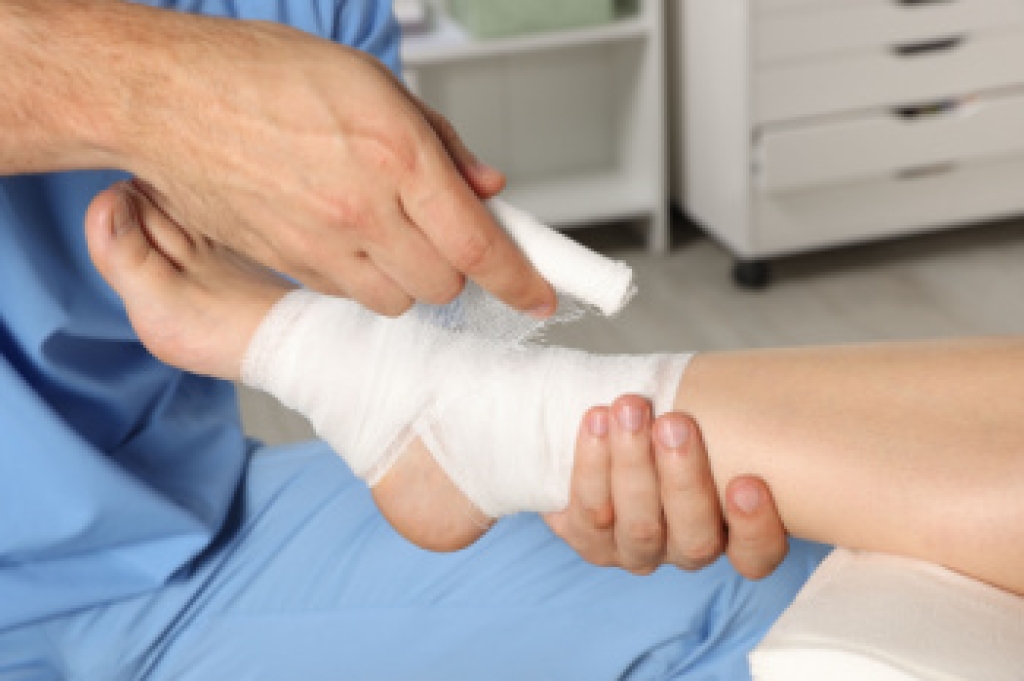
A diabetic foot ulcer needs attentive, steady care because even a small wound can become a significant concern, if it is overlooked. High blood sugar can slow healing and reduce sensation, making it easy for an ulcer to progress without obvious warning signs. Keeping the area clean and protected helps limit infection risk, while avoiding pressure on the sore gives the tissue a chance to repair. Checking your feet every day allows you to notice redness, drainage, swelling, or warmth before the problem advances. Wearing supportive footwear and having balanced blood sugar levels also play important roles in recovery. Since each ulcer requires a tailored approach, early evaluation ensures the right treatment, which may include specialized dressings or advanced wound therapies. If you see a foot sore that is not improving or feels different than usual, it is suggested that you see a podiatrist for an accurate diagnosis and appropriate care.
Wound care is an important part in dealing with diabetes. If you have diabetes and a foot wound or would like more information about wound care for diabetics, consult with one of our podiatrists from Farah Podiatry Associates. Our doctors will assess your condition and provide you with quality foot and ankle treatment.
What Is Wound Care?
Wound care is the practice of taking proper care of a wound. This can range from the smallest to the largest of wounds. While everyone can benefit from proper wound care, it is much more important for diabetics. Diabetics often suffer from poor blood circulation which causes wounds to heal much slower than they would in a non-diabetic.
What Is the Importance of Wound Care?
While it may not seem apparent with small ulcers on the foot, for diabetics, any size ulcer can become infected. Diabetics often also suffer from neuropathy, or nerve loss. This means they might not even feel when they have an ulcer on their foot. If the wound becomes severely infected, amputation may be necessary. Therefore, it is of the upmost importance to properly care for any and all foot wounds.
How to Care for Wounds
The best way to care for foot wounds is to prevent them. For diabetics, this means daily inspections of the feet for any signs of abnormalities or ulcers. It is also recommended to see a podiatrist several times a year for a foot inspection. If you do have an ulcer, run the wound under water to clear dirt from the wound; then apply antibiotic ointment to the wound and cover with a bandage. Bandages should be changed daily and keeping pressure off the wound is smart. It is advised to see a podiatrist, who can keep an eye on it.
If you have any questions please contact our office located in Trenton, MI . We offer the newest diagnostic and treatment technologies for all your foot and ankle needs.

Toenail fungus is a common infection that affects the nails of the feet and causes changes in appearance and texture. It develops when fungi enter the nail through small cracks or separation from the nail bed. Common symptoms include thickened nails, discoloration ranging from yellow to brown, brittleness, crumbling edges, and an unpleasant odor. The nail may become distorted and difficult to trim, leading to discomfort while walking or wearing shoes. Causes of toenail fungus include moist environments, sweaty feet, shared public spaces, and weakened immunity. A podiatrist can accurately diagnose the infection and recommend effective treatment options, including topical care, oral medication, or in-office procedures. They can also provide guidance on proper foot hygiene to prevent recurrence. If you notice changes in your toenails or have nail discomfort, it is suggested that you schedule an appointment with a podiatrist who can effectively treat this condition, which may include prescribed medication.
For more information about treatment, contact one of our podiatrists of Farah Podiatry Associates. Our doctors can provide the care you need to keep you pain-free and on your feet.
Toenail Fungus Treatment
Toenail fungus is a condition that affects many people and can be especially hard to get rid of. Fortunately, there are several methods to go about treating and avoiding it.
Antifungals & Deterrence
Oral antifungal medicine has been shown to be effective in many cases. It is important to consult with a podiatrist to determine the proper regiment for you, or potentially explore other options.
Applying foot powder on the feet and shoes helps keep the feet free of moisture and sweat.
Sandals or open toed shoes – Wearing these will allow air movement and help keep feet dry. They also expose your feet to light, which fungus cannot tolerate. Socks with moisture wicking material also help as well.
If you have any questions please contact our office located in Trenton, MI . We offer the newest diagnostic and treatment technologies for all your foot and ankle needs.

Clubfoot causes a baby’s foot to point downward and inward, and the tightness surrounding the ankle can make the foot feel stiff when gently moved. A podiatrist evaluates the structure of the feet soon after birth and can guide each step of care. Clubfoot is often diagnosed when the baby is born, and the podiatrist checks foot position, flexibility, and overall alignment before creating a treatment plan. This often follows a staged approach that improves the shape of the foot, over time. At first, casts are used to gradually shift the foot into a healthier position, and the child may then need surgery to release tight tissue. Next, a brace with boots and a bar works to keep the foot aligned during the baby's long-term growth. If your baby has clubfoot or other congenital foot problems, it is suggested that you schedule an appointment with a podiatrist for a diagnosis and ongoing treatment.
Congenital foot problems require immediate attention to avoid future complications. If you have any concerns, contact one of our podiatrists of Farah Podiatry Associates. Our doctors can provide the care you need to keep you pain-free and on your feet.
Congenital foot problems are deformities affecting the feet, toes, and/or ankles that children are born with. Some of these conditions have a genetic cause while others just happen. Some specific foot ailments that children may be born with include clubfeet, polydactyly/macrodactyly, and cleft foot. There are several other foot anomalies that can occur congenitally. What all of these conditions have in common is that a child may experience difficulty walking or performing everyday activities, as well as trouble finding footwear that fits their foot deformity. Some of these conditions are more serious than others. Consulting with a podiatrist as early as possible will help in properly diagnosing a child’s foot condition while getting the necessary treatment underway.
What are Causes of Congenital Foot Problem?
A congenital foot problem is one that happens to a child at birth. These conditions can be caused by a genetic predisposition, developmental or positional abnormalities during gestation, or with no known cause.
What are Symptoms of Congenital Foot Problems?
Symptoms vary by the congenital condition. Symptoms may consist of the following:
Treatment and Prevention
While there is nothing one can do to prevent congenital foot problems, raising awareness and receiving neonatal screenings are important. Early detection by taking your child to a podiatrist leads to the best outcome possible.
If you have any questions, please feel free to contact our office located in Trenton, MI . We offer the newest diagnostic and treatment technologies for all your foot care needs.
