Same Day Emergency Appointments Available

Reducing Foot Discomfort During Pregnancy

During pregnancy, your body goes through a number of changes. Most obviously, a woman will gain a significant amount of weight. In turn, this causes the feet to now bear the weight of two. Due to the additional weight, the feet must now adjust to the increased pressure that is placed upon them. This may cause the feet to swell or ache, and your style of walking may become altered as well. To help reduce discomfort, it can be beneficial to regularly perform low impact exercises, for example going for a light stroll. It can also be helpful to avoid standing for long periods of time, periodically stretching, and wearing compression socks to encourage blood flow. For professional care, it’s suggested that you speak with a podiatrist for more information on foot care during pregnancy.

Pregnant women with swollen feet can be treated with a variety of different methods that are readily available. For more information about other cures for swollen feet during pregnancy, consult with one of our podiatrists from Farah Podiatry Associates. Our doctors will attend to all of your foot and ankle needs.

What Foot Problems Can Arise During Pregnancy?

One problem that can occur is overpronation, which occurs when the arch of the foot flattens and tends to roll inward.  This can cause pain and discomfort in your heels while you’re walking or even just standing up, trying to support your baby.  

Another problem is edema, or swelling in the extremities. This often affects the feet during pregnancy but tends to occur in the later stages. 

How Can I Keep My Feet Healthy During Pregnancy?

  • Wearing orthotics can provide extra support for the feet and help distribute weight evenly
  • Minimize the amount of time spent walking barefoot
  • Wear shoes with good arch support
  • Wear shoes that allow for good circulation to the feet
  • Elevate feet if you experience swelling
  • Massage your feet
  • Get regular, light exercise, such as walking, to promote blood circulation to the feet

If you have any questions, please feel free to contact our office located in Trenton, MI . We offer the newest diagnostic and treatment technologies for all your foot care needs.


Read more about Foot Care for Pregnant Women

How Stretching Can Relieve Foot Pain

Foot pain can be uncomfortable and make completing every day tasks harder. It can also impact how you walk and limit your mobility. To help alleviate foot pain, it may be beneficial to regularly practice certain stretches designed for strengthening the feet, as well as helping to keep the feet flexible and less tense. There are a number of different stretches you can perform that may benefit certain areas of your lower extremities. For example, one stretch you can perform helps to build your plantar fascia and calf muscles. To complete this stretch, stand on a step, and while holding onto a banister, begin to lower your heel over the edge of the step until you feel the stretch, then hold that position for 15-30 seconds. Then you can slowly bring your heel up, and switch to the other foot and repeat that same action. Another stretch you can practice may benefit your toes, as well as the rest of your foot. Sit on the floor with your legs straight out, then wrap a towel underneath your toes. Grab each end of the towel and begin to pull the towel toward you. Again, you may hold this position for 15-30 seconds. For more information on how different stretches can benefit your feet, it’s suggested that you contact a podiatrist for professional advice.

Stretching the feet is a great way to prevent injuries. If you have any concerns with your feet consult with one of our podiatrists from Farah Podiatry Associates. Our doctors will assess your condition and provide you with quality foot and ankle treatment.

Stretching the Feet

Stretching the muscles in the foot is an important part in any physical activity. Feet that are tight can lead to less flexibility and make you more prone to injury. One of the most common forms of foot pain, plantar fasciitis, can be stretched out to help ease the pain. Stretching can not only ease pain from plantar fasciitis but also prevent it as well. However, it is important to see a podiatrist first if stretching is right for you. Podiatrists can also recommend other ways to stretch your feet. Once you know whether stretching is right for you, here are some excellent stretches you can do.

  • Using a foam roller or any cylindrical object (a water bottle or soda can will do), roll the object under your foot back and forth. You should also exert pressure on the object. Be sure to do this to both feet for a minute. Do this exercise three times each.
  • Similar to the previous one, take a ball, such as a tennis ball, and roll it under your foot while seated and exert pressure on it.
  • Grab a resistance band or towel and take a seat. If you are using a towel, fold it length wise. Next put either one between the ball of your foot and heel and pull with both hands on each side towards you. Hold this for 15 seconds and then switch feet. Do this three times for each foot.
  • Finally hold your big toe while crossing one leg over the other. Pull the toe towards you and hold for 15 seconds. Once again do this three times per foot.

It is best to go easy when first stretching your foot and work your way up. If your foot starts hurting, stop exercising and ice and rest the foot. It is advised to then see a podiatrist for help.

If you have any questions please contact our office located in Trenton, MI . We offer the newest diagnostic and treatment technologies for all your foot and ankle needs.

Read more about How to Stretch Your Feet

Gout Pain Can Be Managed

Gout is a painful, inflammatory form of arthritis. Those affected will typically feel an intense stiffness in the joints of their feet, particularly in the big toe. Schedule a visit to learn about how gout can be managed and treated.

How Can Exercising Help Prevent Ankle Injuries?

One of the most common injuries involving the ankle is a sprained ankle. If the muscles surrounding the ankle joints are weak, it’s likely that an injury may occur. Athletes often have issues with ankle injuries, which is why it’s so important to practice stretching before and after athletic activity to help prevent injuries such as ankle sprains. Ankle circles are a beneficial stretch when performed regularly. To perform it properly, you’d need to sit on the ground with your legs bent in front of you, crossing one leg over the other. You’d then begin to circle your ankle counterclockwise and clockwise, switching back and forth between your right and left ankle. Calf raises are another stretch that can help strengthen the lower legs and prevent sprained ankles. This exercise is done by standing flat on the floor and lifting your heels up and down, avoiding letting the heels touch the floor. For more information on how to best prevent getting a sprained ankle, it’s suggested that you consult with a podiatrist for professional advice.

Ankle sprains are common but need immediate attention. If you need your feet checked, contact one of our podiatrists from Farah Podiatry Associates. Our doctors can provide the care you need to keep you pain-free and on your feet.

How Does an Ankle Sprain Occur?

Ankle sprains take place when the ligaments in your ankle are torn or stretched beyond their limits. There are multiple ways that the ankle can become injured, including twisting or rolling over onto your ankle, putting undue stress on it, or causing trauma to the ankle itself.

What Are the Symptoms?

  • Mild to moderate bruising
  • Limited mobility
  • Swelling
  • Discoloration of the skin (depending on severity)

Preventing a Sprain

  • Wearing appropriate shoes for the occasion
  • Stretching before exercises and sports
  • Knowing your limits

Treatment of a Sprain

Treatment of a sprain depends on the severity.  Many times, people are told to rest and remain off their feet completely, while others are given an air cast. If the sprain is very severe, surgery may be required.

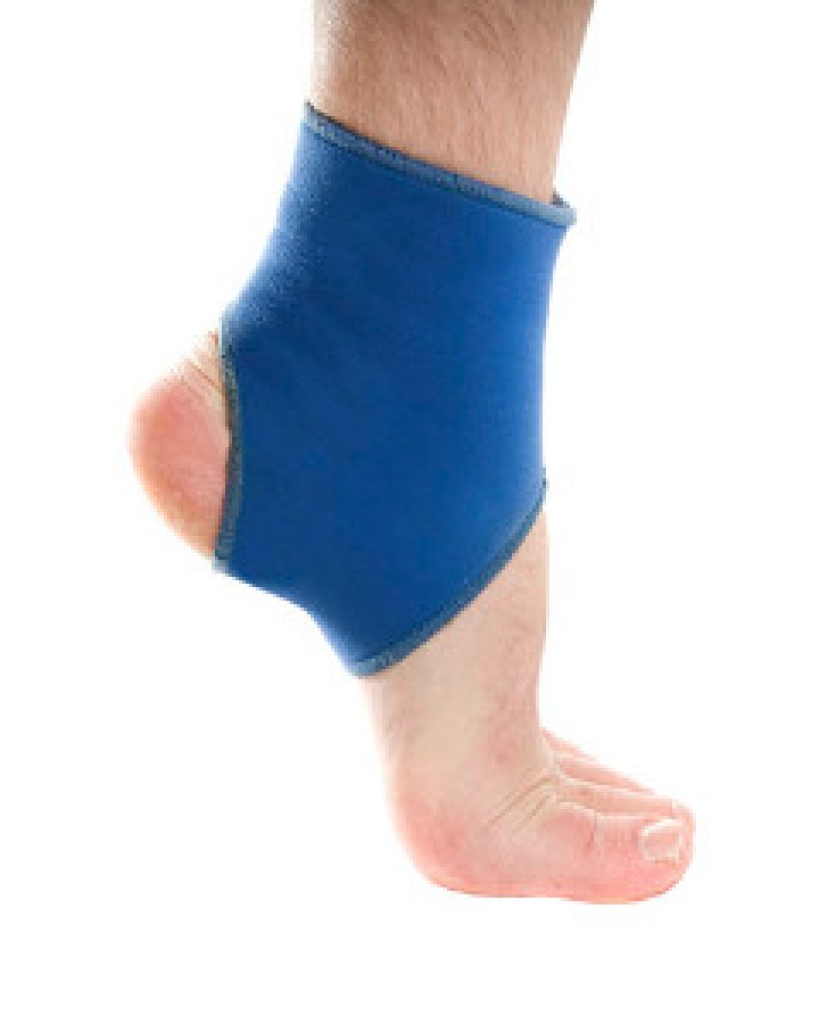
If you have suffered an ankle sprain previously, you may want to consider additional support such as a brace and regular exercises to strengthen the ankle.

If you have any questions please feel free to contact our office located in Trenton, MI . We offer the newest diagnostic tools and technology to treat your foot and ankle needs.

Read more about Ankle Sprains

Does a Bent Toe Indicate Hammertoe?

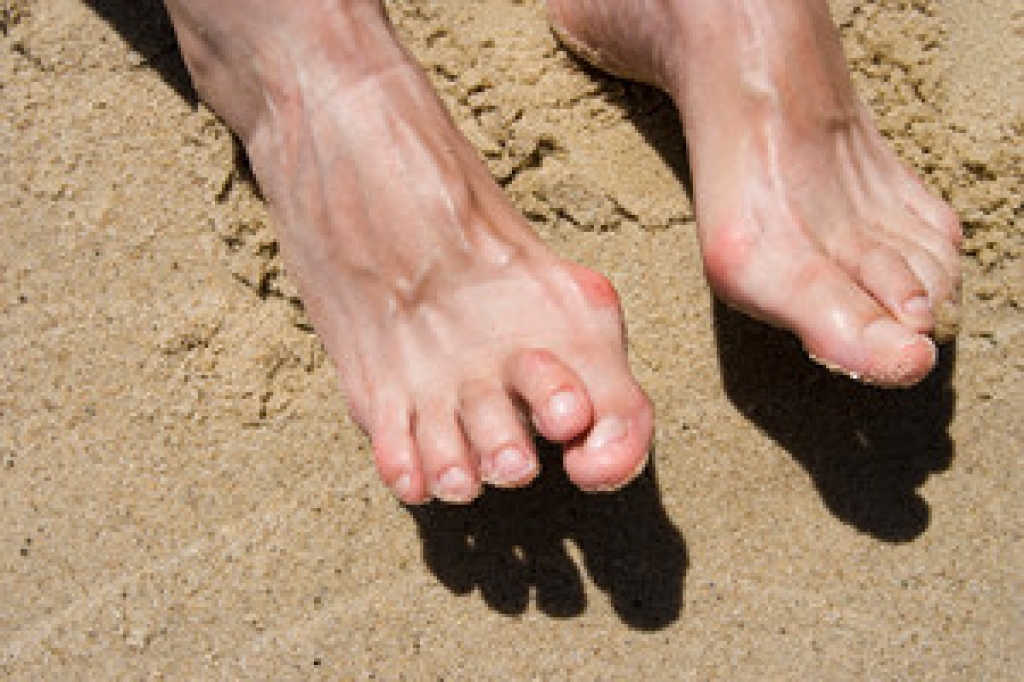
Hammertoe is a common foot condition among people worldwide, and it is considered to be a deformity. It occurs as a result of shortened tendons in the joints of the middle toe. These are tissues that link the bone to the muscle, and may cause the affected toe to bend at the joint, and resemble a hammer. There are several reasons why this condition may occur. These can include genetic factors, or from wearing shoes that do not have adequate room for the toes to move freely in. Additionally, there may be existing medical conditions that can consist of high arches, or certain types of arthritis which can precede the onset of hammertoe. It may help to change the type of shoes that are worn, and many patients choose to have surgery performed that can permanently straighten the toe. If you have developed hammertoe, it is strongly suggested that you are under the care of a podiatrist who can properly treat this ailment.

Hammertoes can be a painful condition to live with. For more information, contact one of our podiatrists of Farah Podiatry Associates. Our doctors will answer any of your foot- and ankle-related questions.

Hammertoe

Hammertoe is a foot deformity that occurs due to an imbalance in the muscles, tendons, or ligaments that normally hold the toe straight. It can be caused by the type of shoes you wear, your foot structure, trauma, and certain disease processes.

Symptoms

  • Painful and/or difficult toe movement
  • Swelling
  • Joint stiffness
  • Calluses/Corns
  • Physical deformity

Risk Factors

  • Age – The risk of hammertoe increases with age
  • Sex – Women are more likely to have hammertoe compared to men
  • Toe Length – You are more likely to develop hammertoe if your second toe is longer than your big toe
  • Certain Diseases – Arthritis and diabetes may make you more likely to develop hammertoe

Treatment

If you have hammertoe, you should change into a more comfortable shoe that provides enough room for your toes. Exercises such as picking up marbles may strengthen and stretch your toe muscles. Nevertheless, it is important to seek assistance from a podiatrist in order to determine the severity of your hammertoe and see which treatment option will work best for you.

If you have any questions, please feel free to contact our office located in Trenton, MI . We offer the newest diagnostic and treatment technologies for all your foot care needs.
Read more about What Are Hammertoes?
scroll to top