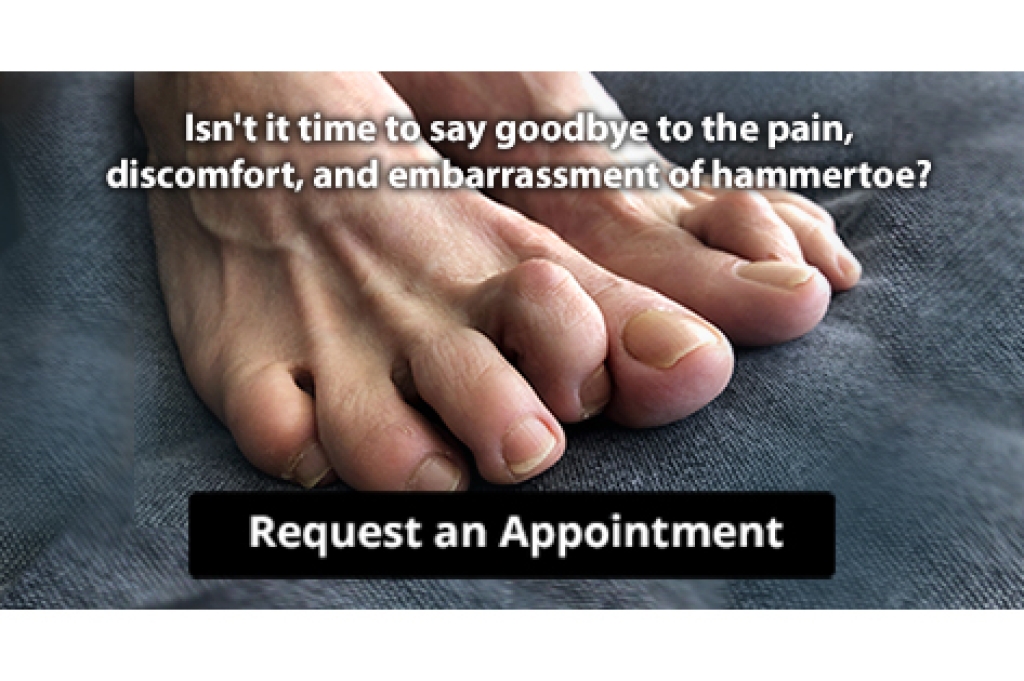
Painful deformities, such as hammertoes, can be treated. Stop living with foot pain, and have beautiful feet again!
Painful deformities, such as hammertoes, can be treated. Stop living with foot pain, and have beautiful feet again!
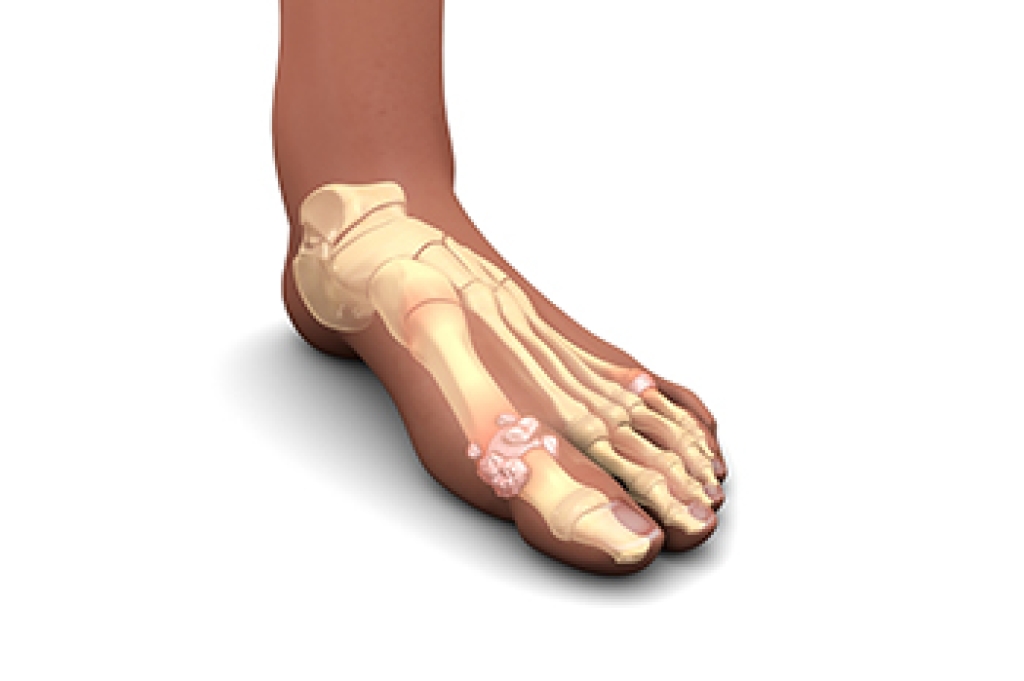
Gout is a form of inflammatory arthritis that occurs when uric acid builds up in the bloodstream, leading to the formation of sharp crystals in the joints. This condition is often triggered by a high intake of purine-rich foods, alcohol consumption, dehydration, or certain medications. Gout most commonly affects the feet, particularly the big toe, causing sudden and intense pain, redness, and swelling. The affected joint may become hot to the touch, and movement may be severely limited. The pain from gout attacks can be debilitating, often occurring at night and lasting for several days. While the big toe is most commonly affected, other joints such as the ankles and knees can also be involved. Managing gout typically involves medications to reduce inflammation and pain, as well as lifestyle changes like diet modifications and staying hydrated to prevent future flare-ups. If you have had one or more gout attacks, it is strongly suggested that you are under the care of a podiatrist who can offer you effective relief and treatment tips.
Gout is a foot condition that requires certain treatment and care. If you are seeking treatment, contact one of our podiatrists from Farah Podiatry Associates. Our doctors will treat your foot and ankle needs.
What Is Gout?
Gout is a type of arthritis caused by a buildup of uric acid in the bloodstream. It often develops in the foot, especially the big toe area, although it can manifest in other parts of the body as well. Gout can make walking and standing very painful and is especially common in diabetics and the obese.
People typically get gout because of a poor diet. Genetic predisposition is also a factor. The children of parents who have had gout frequently have a chance of developing it themselves.
Gout can easily be identified by redness and inflammation of the big toe and the surrounding areas of the foot. Other symptoms include extreme fatigue, joint pain, and running high fevers. Sometimes corticosteroid drugs can be prescribed to treat gout, but the best way to combat this disease is to get more exercise and eat a better diet.
If you have any questions, please feel free to contact our office located in Trenton, MI . We offer the newest diagnostic and treatment technologies for all your foot care needs.
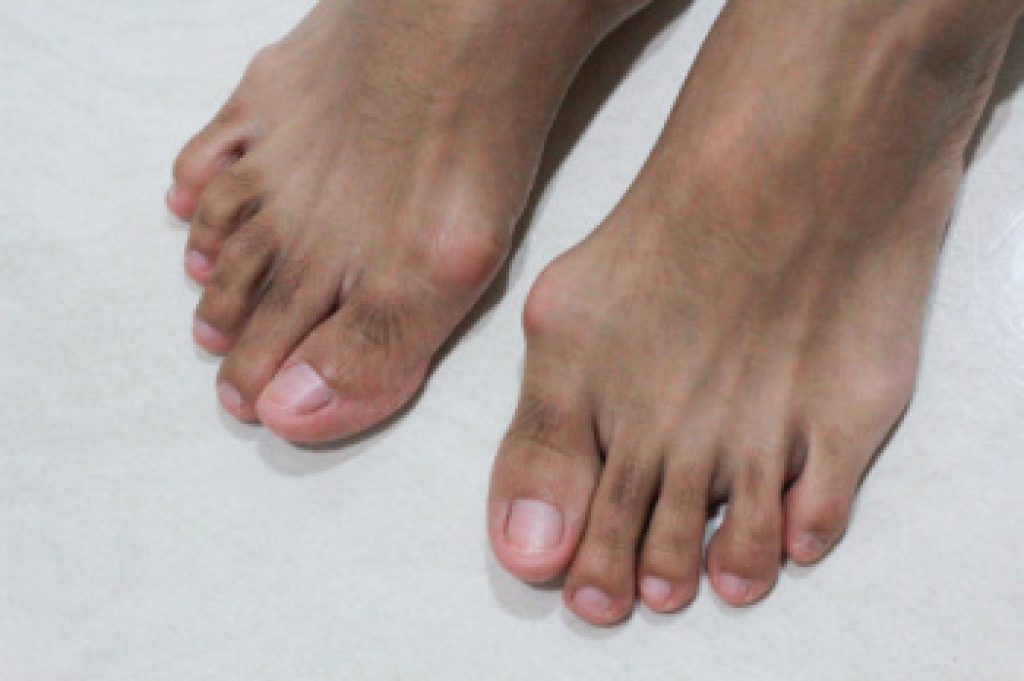
Bunions, also known as hallux valgus, are painful bony bumps that form at the base of the big toe when the tip of the toe angles inward toward the smaller toes. This condition is often caused by genetic factors, wearing tight or ill-fitting shoes, or prolonged pressure on the foot. Over time, this misalignment can lead to pain, swelling, and redness surrounding the affected area. Symptoms often worsen with walking or standing for long periods of time, and the big toe may become stiff or difficult to move. Treatment for bunions varies depending on the severity. Non-surgical options include wearing wider shoes, using bunion pads, or taking anti-inflammatory medications for pain relief. In more severe cases, surgery may be required to realign the bones and restore foot function. A podiatrist can assess the severity of your bunion, recommend appropriate treatments, and provide guidance on footwear or foot exercises. If you have developed a bunion, it is suggested that you schedule an appointment with a podiatrist for appropriate treatment solutions.
If you are suffering from bunion pain, contact one of our podiatrists of Farah Podiatry Associates. Our doctors can provide the care you need to keep you pain-free and on your feet.
What Is a Bunion?
Bunions are painful bony bumps that usually develop on the inside of the foot at the joint of the big toe. As the deformity increases over time, it may become painful to walk and wear shoes. Women are more likely to exacerbate existing bunions since they often wear tight, narrow shoes that shift their toes together. Bunion pain can be relieved by wearing wider shoes with enough room for the toes.
Causes
Symptoms
In order to diagnose your bunion, your podiatrist may ask about your medical history, symptoms, and general health. Your doctor might also order an x-ray to take a closer look at your feet. Nonsurgical treatment options include orthotics, padding, icing, changes in footwear, and medication. If nonsurgical treatments don’t alleviate your bunion pain, surgery may be necessary.
If you have any questions, please feel free to contact our office located in Trenton, MI . We offer the newest diagnostic and treatment technologies for all your foot care needs.
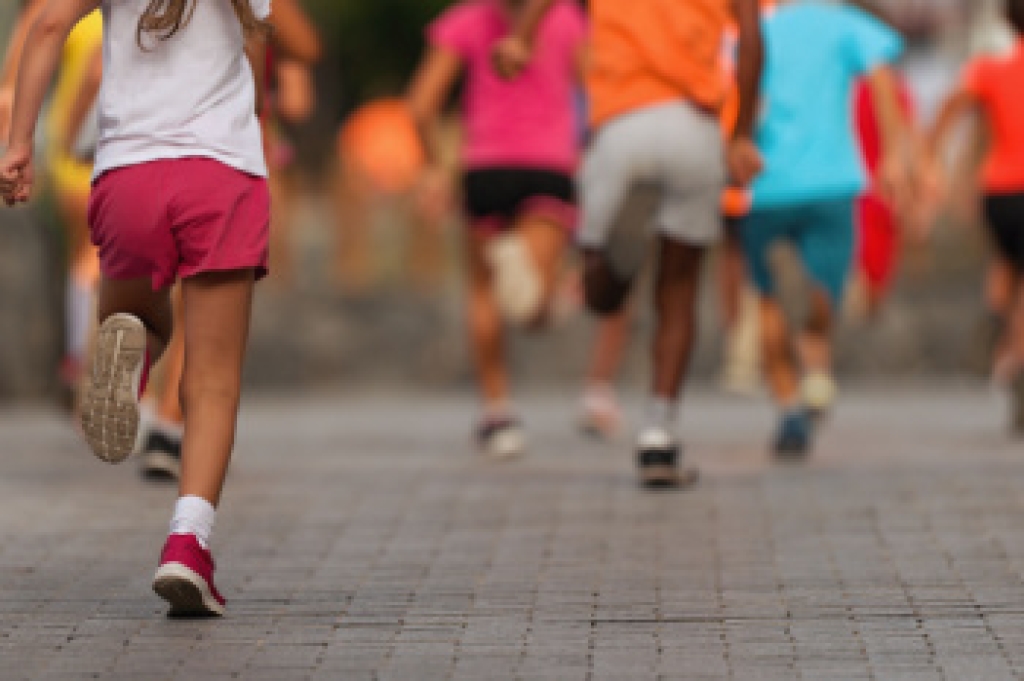
Children involved in running activities are at risk for various foot and ankle injuries, often linked to overuse or biomechanical issues. Common foot conditions include Sever’s disease, which causes heel pain due to stress on the growth plates, and Iselin’s disease, which leads to pain on the outer edge of the foot from repetitive stress. Overtraining, sudden increases in activity, and wearing improper footwear can contribute to stress fractures in foot bones, which are often identified through localized pain that worsens with movement. Additionally, children undergoing growth spurts may experience increased muscle tightness and decreased flexibility, which heighten the risk of running injuries. A podiatrist can evaluate your child’s foot structure, recommend orthotics for support, and address any biomechanical concerns to help alleviate symptoms and prevent further issues. If your child has foot pain after physical activity, especially running, it is suggested that you schedule an appointment with a podiatrist for a diagnosis and treatment options.
The health of a child’s feet is vital to their overall well-being. If you have any questions regarding foot health, contact one of our podiatrists of Farah Podiatry Associates. Our doctors can provide the care you need to keep you pain-free and on your feet.
Tips for Keeping Children's Feet Healthy
If you have any questions, please feel free to contact our office located in Trenton, MI . We offer the newest diagnostic and treatment technologies for all your foot care needs.

Foot baths are a soothing and effective way to promote healing and relaxation. Immersing the feet in warm water can increase the overall body temperature, which helps to relax tense muscles and possibly alleviate discomfort in other areas of the body. The warmth of the water can ease pain in the feet, and lower legs, and even help with conditions such as plantar fasciitis or arthritis. Foot baths also boost circulation, encouraging better blood flow throughout the body, which promotes faster recovery from fatigue or muscle soreness. The enhanced circulation can help reduce swelling and improve the delivery of nutrients to the body's tissues. Additionally, foot baths are a great way to fight fatigue, as they provide a calming effect that helps reduce stress and rejuvenate the body. This simple practice is a wonderful way to unwind and support overall well-being. If you have sustained a foot or ankle injury, it is suggested that you consult a podiatrist who can treat various foot conditions, and recommend specific types of foot baths for your needs.
Everyday foot care is very important to prevent infection and other foot ailments. If you need your feet checked, contact one of our podiatrists from Farah Podiatry Associates. Our doctors can provide the care you need to keep you pain-free and on your feet.
Everyday Foot Care
Often, people take care of their bodies, face and hair more so than they do for their feet. But the feet are a very important aspect of our bodies, and one that we should pay more attention to. Without our feet, we would not be able to perform most daily tasks.
It is best to check your feet regularly to make sure there are no new bruises or cuts that you may not have noticed before. For dry feet, moisturizer can easily be a remedy and can be applied as often as necessary to the affected areas. Wearing shoes that fit well can also help you maintain good foot health, as well as making it easier to walk and do daily activities without the stress or pain of ill-fitting shoes, high heels, or even flip flops. Wearing clean socks with closed shoes is important to ensure that sweat and bacteria do not accumulate within the shoe. Clean socks help to prevent Athlete’s foot, fungi problems, bad odors, and can absorb sweat.
If you have any questions, please feel free to contact our office located in Trenton, MI . We offer the newest diagnostic and treatment technologies for all your foot care needs.
