Same Day Emergency Appointments Available

Facts About Toenail Fungus

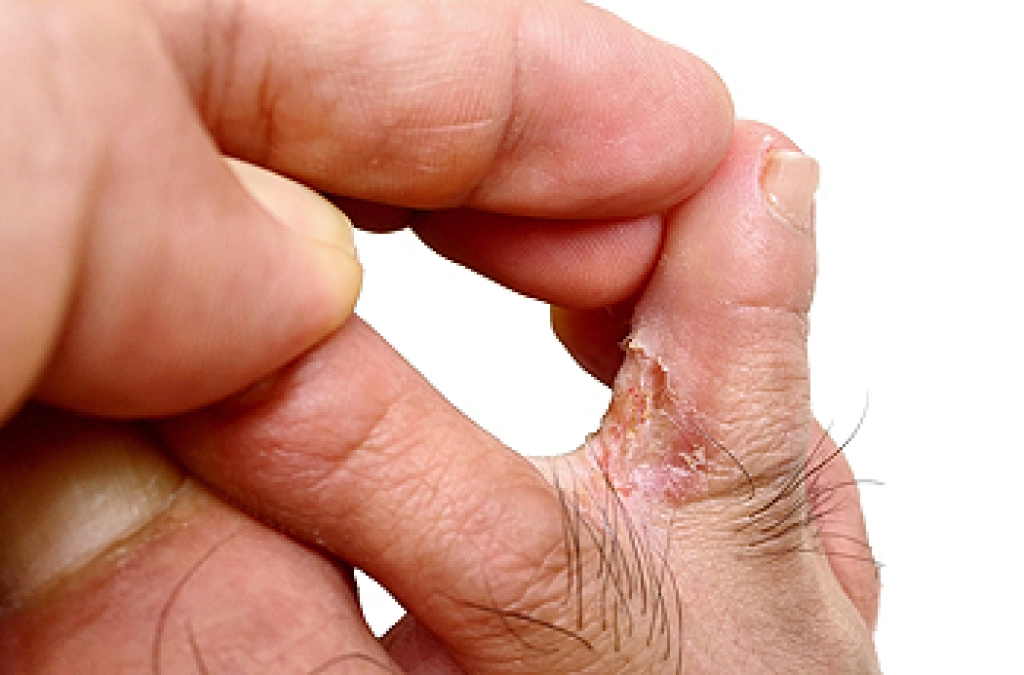
Toenail fungus is a common infection that affects the nails of the feet and causes changes in appearance and texture. It develops when fungi enter the nail through small cracks or separation from the nail bed. Common symptoms include thickened nails, discoloration ranging from yellow to brown, brittleness, crumbling edges, and an unpleasant odor. The nail may become distorted and difficult to trim, leading to discomfort while walking or wearing shoes. Causes of toenail fungus include moist environments, sweaty feet, shared public spaces, and weakened immunity. A podiatrist can accurately diagnose the infection and recommend effective treatment options, including topical care, oral medication, or in-office procedures. They can also provide guidance on proper foot hygiene to prevent recurrence. If you notice changes in your toenails or have nail discomfort, it is suggested that you schedule an appointment with a podiatrist who can effectively treat this condition, which may include prescribed medication.

For more information about treatment, contact one of our podiatrists of Farah Podiatry Associates. Our doctors can provide the care you need to keep you pain-free and on your feet.

Toenail Fungus Treatment

Toenail fungus is a condition that affects many people and can be especially hard to get rid of. Fortunately, there are several methods to go about treating and avoiding it.

Antifungals & Deterrence

Oral antifungal medicine has been shown to be effective in many cases. It is important to consult with a podiatrist to determine the proper regiment for you, or potentially explore other options.

Applying foot powder on the feet and shoes helps keep the feet free of moisture and sweat.

Sandals or open toed shoes – Wearing these will allow air movement and help keep feet dry. They also expose your feet to light, which fungus cannot tolerate. Socks with moisture wicking material also help as well.

If you have any questions please contact our office located in Trenton, MI . We offer the newest diagnostic and treatment technologies for all your foot and ankle needs.

Read more about Toenail Fungus

When Your Child Has Clubfoot

Clubfoot causes a baby’s foot to point downward and inward, and the tightness surrounding the ankle can make the foot feel stiff when gently moved. A podiatrist evaluates the structure of the feet soon after birth and can guide each step of care. Clubfoot is often diagnosed when the baby is born, and the podiatrist checks foot position, flexibility, and overall alignment before creating a treatment plan. This often follows a staged approach that improves the shape of the foot, over time. At first, casts are used to gradually shift the foot into a healthier position, and the child may then need surgery to release tight tissue. Next, a brace with boots and a bar works to keep the foot aligned during the baby's long-term growth. If your baby has clubfoot or other congenital foot problems, it is suggested that you schedule an appointment with a podiatrist for a diagnosis and ongoing treatment.

Congenital foot problems require immediate attention to avoid future complications. If you have any concerns, contact one of our podiatrists of Farah Podiatry Associates. Our doctors can provide the care you need to keep you pain-free and on your feet.

Congenital foot problems are deformities affecting the feet, toes, and/or ankles that children are born with. Some of these conditions have a genetic cause while others just happen. Some specific foot ailments that children may be born with include clubfeet, polydactyly/macrodactyly, and cleft foot. There are several other foot anomalies that can occur congenitally. What all of these conditions have in common is that a child may experience difficulty walking or performing everyday activities, as well as trouble finding footwear that fits their foot deformity. Some of these conditions are more serious than others. Consulting with a podiatrist as early as possible will help in properly diagnosing a child’s foot condition while getting the necessary treatment underway.

What are Causes of Congenital Foot Problem?

A congenital foot problem is one that happens to a child at birth. These conditions can be caused by a genetic predisposition, developmental or positional abnormalities during gestation, or with no known cause.

What are Symptoms of Congenital Foot Problems?

Symptoms vary by the congenital condition. Symptoms may consist of the following:

  • Clubfoot, where tendons are shortened, bones are shaped differently, and the Achilles tendon is tight, causing the foot to point in and down. It is also possible for the soles of the feet to face each other.
  • Polydactyly, which usually consists of a nubbin or small lump of tissue without a bone, a toe that is partially formed but has no joints, or an extra toe.
  • Vertical talus, where the talus bone forms in the wrong position causing other bones in the foot to line up improperly, the front of the foot to point up, and the bottom of the foot to stiffen, with no arch, and to curve out.
  • Tarsal coalition, when there is an abnormal connection of two or more bones in the foot leading to severe, rigid flatfoot.
  • Cleft foot, where there are missing toes, a V-shaped cleft, and other anatomical differences.
  • Macrodactyly, when the toes are abnormally large due to overgrowth of the underlying bone or soft tissue.

Treatment and Prevention

While there is nothing one can do to prevent congenital foot problems, raising awareness and receiving neonatal screenings are important. Early detection by taking your child to a podiatrist leads to the best outcome possible.

If you have any questions, please feel free to contact our office located in Trenton, MI . We offer the newest diagnostic and treatment technologies for all your foot care needs.


Read more about Congenital Foot Problems

Plantar Warts Can Be Treated!

Plantar warts are small growths that develop on parts of the feet that bear weight. They're typically found on the bottom of the foot. Don't live with plantar warts, and call us today!

Causes and Risk Factors for Falling in Seniors

Falls in seniors often start with problems in the feet, toes, or ankles that make walking less steady. Painful joints, reduced range of motion, or stiffness in the ankles can change gait and slow reaction time when stepping on uneven ground. Thickened toenails, numbness, or deformities like hammertoes can affect balance. Additionally, wearing shoes with inadequate support or worn-out flip-flops make slips more likely. Weak muscles in the lower legs or arthritis in the foot joints can cause a shuffling stride, which increases the chance of tripping. Previous injuries, swelling, or poor circulation can also interfere with safe movement, adding to the risk of fractures if bones are fragile. A podiatrist can evaluate the feet, correct gait problems, and recommend proper footwear to improve stability. For help in preventing falls or to address any existing foot problems, it is suggested that you schedule  an appointment with a podiatrist for a diagnosis and appropriate treatment.

Preventing falls among the elderly is very important. If you are older and have fallen or fear that you are prone to falling, consult with one of our podiatrists from Farah Podiatry Associates. Our doctors will assess your condition and provide you with quality advice and care.

Every 11 seconds, an elderly American is being treated in an emergency room for a fall related injury. Falls are the leading cause of head and hip injuries for those 65 and older. Due to decreases in strength, balance, senses, and lack of awareness, elderly persons are very susceptible to falling. Thankfully, there are a number of things older persons can do to prevent falls.

How to Prevent Falls

Some effective methods that older persons can do to prevent falls include:

  • Enrolling in strength and balance exercise program to increase balance and strength
  • Periodically having your sight and hearing checked
  • Discuss any medications you have with a doctor to see if it increases the risk of falling
  • Clearing the house of falling hazards and installing devices like grab bars and railings
  • Utilizing a walker or cane
  • Wearing shoes that provide good support and cushioning
  • Talking to family members about falling and increasing awareness

Falling can be a traumatic and embarrassing experience for elderly persons; this can make them less willing to leave the house, and less willing to talk to someone about their fears of falling. Doing such things, however, will increase the likelihood of tripping or losing one’s balance. Knowing the causes of falling and how to prevent them is the best way to mitigate the risk of serious injury.  

If you have any questions, please feel free to contact our office located in Trenton, MI . We offer the newest diagnostic and treatment technologies for all your foot care needs.
Read more about Falls Prevention

Benefits of Stretching Toes and Feet

Many people do not realize how much flexibility in the toes influences balance, posture, and the way the feet move throughout the day. When the toes become stiff or the arch muscles are underused, walking and running can feel less stable and can even lead to discomfort in the feet, calves, and ankles. A helpful stretch involves using your hands to guide the toes into a gentle bending motion at the base joints, encouraging them to lengthen and lift in the correct places. Placing your fingers under the sole and your thumbs on top of the toes allows you to support the foot while easing the toes downward and away from the body. Holding the stretch for several deep breaths helps awaken the small muscles that support the arch and improves overall mobility. Practicing this regularly can promote stronger movement patterns and more comfortable steps. If you have foot or toe pain, it is suggested that you see a podiatrist for treatment, which may include additional stretches.

Stretching the feet is a great way to prevent injuries. If you have any concerns with your feet consult with one of our podiatrists from Farah Podiatry Associates. Our doctors will assess your condition and provide you with quality foot and ankle treatment.

Stretching the Feet

Stretching the muscles in the foot is an important part in any physical activity. Feet that are tight can lead to less flexibility and make you more prone to injury. One of the most common forms of foot pain, plantar fasciitis, can be stretched out to help ease the pain. Stretching can not only ease pain from plantar fasciitis but also prevent it as well. However, it is important to see a podiatrist first if stretching is right for you. Podiatrists can also recommend other ways to stretch your feet. Once you know whether stretching is right for you, here are some excellent stretches you can do.

  • Using a foam roller or any cylindrical object (a water bottle or soda can will do), roll the object under your foot back and forth. You should also exert pressure on the object. Be sure to do this to both feet for a minute. Do this exercise three times each.
  • Similar to the previous one, take a ball, such as a tennis ball, and roll it under your foot while seated and exert pressure on it.
  • Grab a resistance band or towel and take a seat. If you are using a towel, fold it length wise. Next put either one between the ball of your foot and heel and pull with both hands on each side towards you. Hold this for 15 seconds and then switch feet. Do this three times for each foot.
  • Finally hold your big toe while crossing one leg over the other. Pull the toe towards you and hold for 15 seconds. Once again do this three times per foot.

It is best to go easy when first stretching your foot and work your way up. If your foot starts hurting, stop exercising and ice and rest the foot. It is advised to then see a podiatrist for help.

If you have any questions please contact our office located in Trenton, MI . We offer the newest diagnostic and treatment technologies for all your foot and ankle needs.

Read more about Stretching Your Feet
scroll to top