
If left untreated, an ingrown toenail can lead to more serious concerns, such as an infection. Knowing proper nail care can help in the prevention of an ingrown toenail. Give us a call, and get treated!
If left untreated, an ingrown toenail can lead to more serious concerns, such as an infection. Knowing proper nail care can help in the prevention of an ingrown toenail. Give us a call, and get treated!
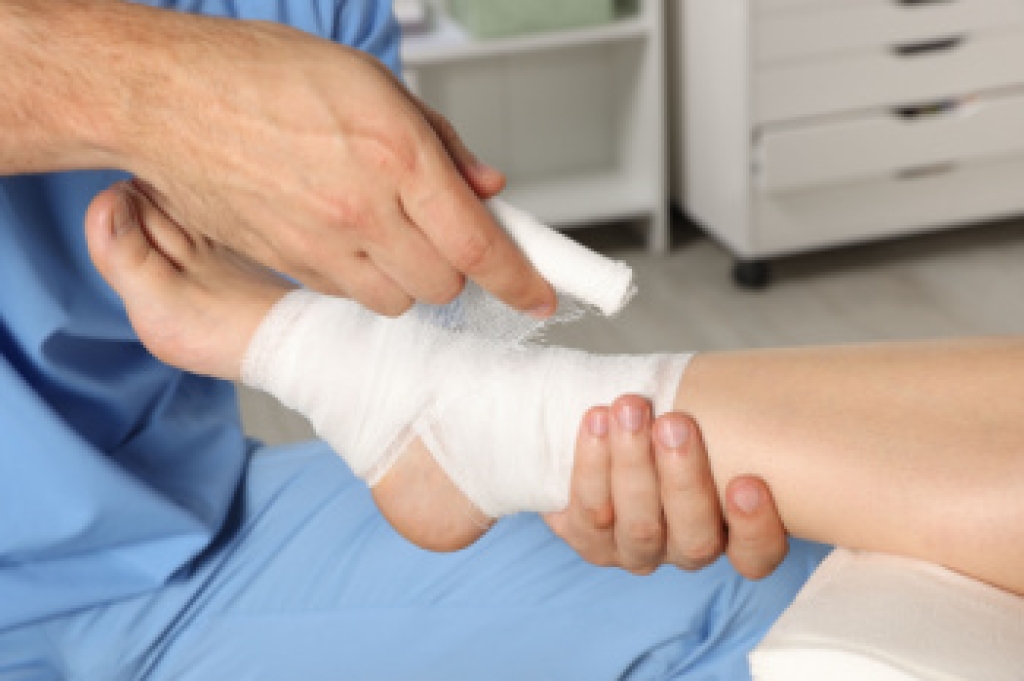
Some foot wounds close within days, but others linger for weeks or even months, becoming a chronic problem. These slow-healing injuries often develop in people with poor circulation, nerve damage, or conditions like diabetes that impair the body’s repair process. Persistent pressure from walking, wearing tight shoes, or foot deformities can keep the skin from closing properly, while unnoticed infections may worsen the damage. Over time, a chronic wound can extend deeper into tissue, raising the risk of serious complications, including bone infection. Because sensation in the feet may be reduced, pain is not always a reliable warning sign. Regular inspection, professional wound care, and addressing the underlying cause are critical for recovery. If a foot sore does not show signs of improvement within a reasonable time, it is suggested that you see a podiatrist for prompt evaluation and treatment.
Wound care is an important part in dealing with diabetes. If you have diabetes and a foot wound or would like more information about wound care for diabetics, consult with one of our podiatrists from Farah Podiatry Associates. Our doctors will assess your condition and provide you with quality foot and ankle treatment.
What Is Wound Care?
Wound care is the practice of taking proper care of a wound. This can range from the smallest to the largest of wounds. While everyone can benefit from proper wound care, it is much more important for diabetics. Diabetics often suffer from poor blood circulation which causes wounds to heal much slower than they would in a non-diabetic.
What Is the Importance of Wound Care?
While it may not seem apparent with small ulcers on the foot, for diabetics, any size ulcer can become infected. Diabetics often also suffer from neuropathy, or nerve loss. This means they might not even feel when they have an ulcer on their foot. If the wound becomes severely infected, amputation may be necessary. Therefore, it is of the upmost importance to properly care for any and all foot wounds.
How to Care for Wounds
The best way to care for foot wounds is to prevent them. For diabetics, this means daily inspections of the feet for any signs of abnormalities or ulcers. It is also recommended to see a podiatrist several times a year for a foot inspection. If you do have an ulcer, run the wound under water to clear dirt from the wound; then apply antibiotic ointment to the wound and cover with a bandage. Bandages should be changed daily and keeping pressure off the wound is smart. It is advised to see a podiatrist, who can keep an eye on it.
If you have any questions please contact our office located in Trenton, MI . We offer the newest diagnostic and treatment technologies for all your foot and ankle needs.
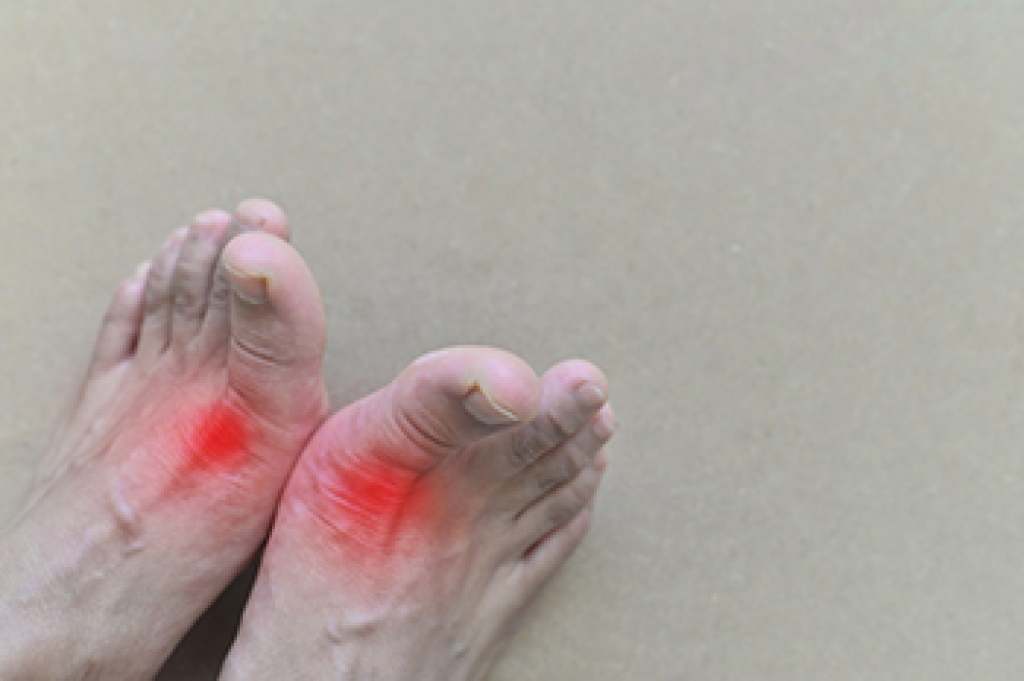
Gout is a form of inflammatory arthritis caused by a buildup of uric acid crystals in the joints. It is often triggered by diet, genetics, obesity, or certain medical conditions. Gout most commonly affects the big toe, but can occur in the ankle or other joints, as well. Symptoms of gout include sudden, intense pain, redness, swelling, and warmth in the affected joint. It may feel like a burning or throbbing sensation, and even the lightest touch can be extremely painful. The area may also appear shiny or purple. A podiatrist plays a key role in diagnosing and managing gout. They may conduct a physical exam, take imaging tests, or order lab tests to confirm the condition. Treatment options often include anti-inflammatory medications, lifestyle guidance, and custom orthotics to reduce joint stress. In chronic cases, long-term uric acid management may be needed. If you are experiencing this issue, it is suggested that you are under the care of a podiatrist, who can help you to manage this painful condition.
Gout is a foot condition that requires certain treatment and care. If you are seeking treatment, contact one of our podiatrists from Farah Podiatry Associates. Our doctors will treat your foot and ankle needs.
What Is Gout?
Gout is a type of arthritis caused by a buildup of uric acid in the bloodstream. It often develops in the foot, especially the big toe area, although it can manifest in other parts of the body as well. Gout can make walking and standing very painful and is especially common in diabetics and the obese.
People typically get gout because of a poor diet. Genetic predisposition is also a factor. The children of parents who have had gout frequently have a chance of developing it themselves.
Gout can easily be identified by redness and inflammation of the big toe and the surrounding areas of the foot. Other symptoms include extreme fatigue, joint pain, and running high fevers. Sometimes corticosteroid drugs can be prescribed to treat gout, but the best way to combat this disease is to get more exercise and eat a better diet.
If you have any questions, please feel free to contact our office located in Trenton, MI . We offer the newest diagnostic and treatment technologies for all your foot care needs.

Working in construction exposes your feet to heavy equipment, sharp debris, and uneven surfaces, making foot protection essential. Wearing high-quality steel-toe boots, slip-resistant soles, and cushioned insoles helps prevent injuries, blisters, and long-term strain. Proper hygiene and moisture control are also key to avoiding infections and skin conditions. A podiatrist can evaluate foot pain, provide custom orthotics, and treat injuries to ensure you stay safe and mobile on the job. Ignoring foot discomfort can lead to chronic issues that affect work performance and quality of life. If you have endured a foot injury, it is suggested that you schedule a visit with a podiatrist who can treat various foot conditions, keeping your feet healthy and strong throughout your construction career.
While working on the feet, it is important to take the proper care of them. For more information about working on your feet, contact one of our podiatrists from Farah Podiatry Associates. Our doctors will treat your foot and ankle needs.
Working on Your Feet
Standing on your feet for long periods of time can cause stress and pain in your feet. Your whole body may experience change in terms of posture, back pain, bunions, callouses and or plantar warts. There are ways to avoid these conditions with proper foot care, smart choices and correct posture.
Positive Changes
Negative heeled shoe – Choosing this shoe type places the heel slightly lower than the ball of the foot. These are great for overall foot health. Find shoes that fit you correctly.
Go barefoot – Our feet were not designed to be enclosed for all hours of the day. Try to periodically expose your feet to air.
Eliminate Pain
Foot Exercises – Performing simple exercises, incorporating yoga and doing stretches are beneficial. This will allow increased blood flow to the area and muscles of the foot.
Achilles tendon – Stretching the foot out flat on the floor will relax the calf muscles and tendon. These exercises can be performed almost anywhere. Make sure you add these exercises to your daily regimen.
With a little bit of this information and knowing more about foot health, you will notice changes. Foot stretches and proper footwear will help with pain and prevent further issues.
If you have any questions please contact our office located in Trenton, MI . We offer the newest diagnostic and treatment technologies for all your foot and ankle needs.

A plantar wart is a small, rough growth that appears on the bottom of the foot caused by the human papillomavirus, or HPV, infecting the skin through tiny cuts. It commonly develops in areas of pressure such as the heel or ball of the foot. Risk factors include walking barefoot in communal areas, weakened immunity, and skin trauma. Symptoms include thickened skin, pain when walking, and small black dots within the wart, which are clotted blood vessels. A podiatrist can accurately diagnose plantar warts and offer treatments such as removal, cryotherapy, or topical medications to eliminate the virus and relieve discomfort. If you have developed a plantar wart, it is suggested that you consult a podiatrist promptly who can offer appropriate treatment solutions.
Plantar warts can be very uncomfortable. If you need your feet checked, contact one of our podiatrists from Farah Podiatry Associates. Our doctors will assist you with all of your foot and ankle needs.
About Plantar Warts
Plantar warts are the result of HPV, or human papillomavirus, getting into open wounds on the feet. They are mostly found on the heels or balls of the feet.
While plantar warts are generally harmless, those experiencing excessive pain or those suffering from diabetes or a compromised immune system require immediate medical care. Plantar warts are easily diagnosed, usually through scraping off a bit of rough skin or by getting a biopsy.
Symptoms
Treatment
To help prevent developing plantar warts, avoid walking barefoot over abrasive surfaces that can cause cuts or wounds for HPV to get into. Avoiding direct contact with other warts, as well as not picking or rubbing existing warts, can help prevent the further spread of plantar warts. However, if you think you have developed plantar warts, speak to your podiatrist. He or she can diagnose the warts on your feet and recommend the appropriate treatment options.
If you have any questions, please feel free to contact our office located in Trenton, MI . We offer the newest diagnostic and treatment technologies for all your foot care needs.
