
Same Day Emergency Appointments Available

Facts About Foot Stress Fractures

A foot stress fracture is a small crack in a bone caused by repetitive force or overuse. It often feels like a dull ache that worsens with activity and improves with rest. Over time, the pain may become more intense, accompanied by swelling and tenderness at the fracture site. Common causes include sudden increases in physical activity, improper footwear, and weakened bones due to conditions like osteoporosis. Athletes and others who engage in high-impact activities are at higher risk of developing foot stress fractures. Healing time varies but typically takes several weeks, depending on age, nutrition, and activity level. Rest, proper footwear, and a gradual return to activity are essential for recovery. If you have sustained a foot stress fracture, it is suggested that you promptly consult a podiatrist who can effectively diagnose and treat this foot condition.

Activities where too much pressure is put on the feet can cause stress fractures. To learn more, contact one of our podiatrists from Farah Podiatry Associates. Our doctors can provide the care you need to keep your pain free and on your feet.

Dealing with Stress Fractures of the Foot and Ankle

Stress fractures occur in the foot and ankle when muscles in these areas weaken from too much or too little use.  The feet and ankles then lose support when walking or running from the impact of the ground. Since there is no protection, the bones receive the full impact of each step. Stress on the feet can cause cracks to form in the bones, thus creating stress fractures.

What Are Stress Fractures?

Stress fractures occur frequently in individuals whose daily activities cause great impact on the feet and ankles. Stress factors are most common among:

  • Runners                                
  • People affected with Osteoporosis
  • Tennis or basketball players
  • Gymnasts
  • High impact workouts

Symptoms

Pain from the fractures occur in the area of the fractures and can be constant or intermittent. It will often cause sharp or dull pain with swelling and tenderness. Engaging in any kind of activity which involves high impact will aggravate pain.

If you have any questions please contact our office located in Trenton, MI . We offer the newest diagnostic and treatment technologies for all your foot and ankle needs.


Read more about Dealing with Stress Fractures of the Foot and Ankle

Causes of Burning Toe Pain

A burning sensation in the toes can result from nerve damage, poor circulation, or external factors like pressure and friction. Peripheral neuropathy, commonly linked to diabetes or excessive alcohol use, can impair nerve function and lead to persistent burning toe pain. Circulatory issues that restrict blood flow to the feet may also contribute to burning toe pain. Wearing ill-fitting shoes, prolonged pressure on the toes, or injuries such as burns or stubbing a toe can irritate nerves and result in a burning feeling. Certain autoimmune disorders, vitamin deficiencies, and infections like shingles can further damage nerves, leading to abnormal sensations. Other symptoms include tingling, numbness, or sharp pain, which can worsen at night or with activity. If the burning sensation persists or worsens, a podiatrist can perform an exam to determine the underlying cause. Treatment may involve addressing nerve damage, improving circulation, or making footwear adjustments to relieve pressure on the toes. If your toes feel like they are burning, it is suggested that you schedule an appointment with a podiatrist for an exam, diagnosis, and treatment.

Toe pain can disrupt your daily activities. If you have any concerns, contact one of our podiatrists of Farah Podiatry Associates. Our doctors can provide the care you need to keep you pain-free and on your feet.

What Causes Toe Pain?

Most severe toe pain is caused due to a sports injury, trauma from dropping something heavy on the toe, or bumping into something rigid. Other problems can develop over time for various reasons.

Toe pain can be caused by one or more ailments. The most common include:

  • Trauma
  • Sports injury
  • Wearing shoes that are too tight
  • Arthritis
  • Gout
  • Corns and calluses
  • Hammertoe
  • Bunions
  • Blisters
  • Ingrown toenails
  • Sprains
  • Fractures (broken bones)
  • Dislocations

When to See a Podiatrist

  • Severe pain
  • Persistent pain that lasts more than a week
  • Signs of infection
  • Continued swelling
  • Pain that prevents walking

Diagnosis

In many cases the cause of toe pain is obvious, but in others, a podiatrist may want to use more advanced methods to determine the problem. These can range from simple visual inspections and sensation tests to X-rays and MRI scans. Prior medical history, family medical history, and any recent physical traumatic events will all be taken into consideration for a proper diagnosis.

Treatment

Treatments for toe pain and injuries vary and may include shoe inserts, padding, taping, medicines, injections, and in some cases, surgery. If you believe that you have broken a toe, please see a podiatrist as soon as possible.

If you have any questions please contact our office located in Trenton, MI . We offer the newest diagnostic and treatment technologies for all your foot and ankle needs.
Read more about Toe Pain

Enhancing Performance with Sports Orthotics

Orthotics can play an important role in sports and physical activities by enhancing foot support, alignment, and shock absorption. Designed to fit inside athletic shoes, they help distribute pressure evenly, reducing strain on muscles and joints. Athletes benefit from inserts that minimize fatigue, improve stability, and prevent injuries such as plantar fasciitis or shin splints. A well-crafted support system optimizes biomechanics, allowing for better motion control and endurance. The right device should promote efficiency, reduce unnecessary effort, and feel natural underfoot. Customized options cater to specific needs, offering superior cushioning and responsiveness. Properly fitted supports aid in propulsion, reducing stress on ligaments while maximizing power output. Whether running, jumping, or pivoting, having a tailored solution can significantly impact comfort and performance. To find the most effective option for your sport, it is suggested that you consult a podiatrist for expert guidance on selecting the ideal orthotic.

If you are having discomfort in your feet and would like to try orthotics, contact one of our podiatrists from Farah Podiatry Associates. Our doctors can provide the care you need to keep you pain-free and on your feet.

What Are Orthotics?

Orthotics are inserts you can place into your shoes to help with a variety of foot problems such as flat feet or foot pain. Orthotics provide relief and comfort for minor foot and heel pain but can’t correct serious biomechanical problems in your feet.

Over-the-Counter Inserts

Orthotics come in a wide variety of over-the-counter inserts that are used to treat foot pain, heel pain, and minor problems. For example, arch supports can be inserted into your shoes to help correct overarched or flat feet, while gel insoles are often used because they provide comfort and relief from foot and heel pain by alleviating pressure.

Prescription Orthotics

If over-the-counter inserts don’t work for you or if you have a more severe foot concern, it is possible to have your podiatrist prescribe custom orthotics. These high-quality inserts are designed to treat problems such as abnormal motion, plantar fasciitis, and severe forms of heel pain. They can even be used to help patients suffering from diabetes by treating foot ulcers and painful calluses and are usually molded to your feet individually, which allows them to provide full support and comfort.

If you are experiencing minor to severe foot or heel pain, it’s recommended to speak with your podiatrist about the possibilities of using orthotics. A podiatrist can determine which type of orthotic is right for you and allow you to take the first steps towards being pain-free.

If you have any questions, please feel free to contact our office located in Trenton, MI . We offer the newest diagnostic and treatment technologies for all your foot care needs.

Read more about Foot Orthotics

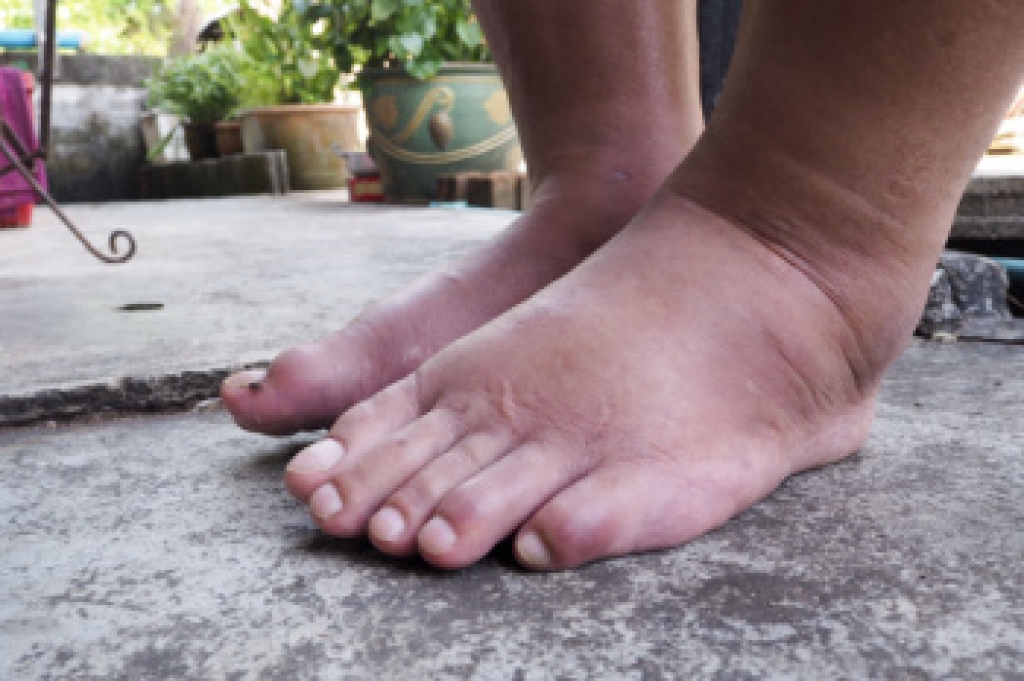
Causes of Swollen Feet and Ankles

Swollen feet and ankles can result from various conditions, including circulatory problems, kidney disease, or injury. Fluid retention, or edema, often occurs when the body struggles to regulate fluid movement due to issues such as heart or liver disease. Venous insufficiency, a condition in which vein valves do not function properly, can cause blood to pool in the lower legs, leading to persistent foot and ankle swelling. Ankle sprains and other foot injuries frequently cause localized swelling due to soft tissue damage. Infections, including cellulitis, can also lead to swelling, particularly in people with diabetes who may have a higher risk of foot complications. A blood clot in a leg vein, also termed deep vein thrombosis, can result in swelling and requires immediate attention. A podiatrist can evaluate the cause of swelling, recommend appropriate treatment, and help manage symptoms to prevent complications. If you have unusual or painful swollen feet or ankles, it is suggested that you schedule an appointment with a podiatrist for an exam, diagnosis, and treatment options.

Swollen feet can be a sign of an underlying condition. If you have any concerns, contact one of our podiatrists of Farah Podiatry Associates. Our doctors can provide the care you need to keep you pain-free and on your feet.

Swollen feet are a common ailment among pregnant women and people who stand or sit for extended periods. Aging may increase the possibility of swollen feet and patients who are obese often notice when their feet are swelling too. There may be medical reasons why swollen feet occur:

  • Phlebitis - A condition that causes the veins to become inflamed and can also cause leg pain.
  • Liver disease - This may lead to low blood levels of albumin which is a protein. This can cause fluid in the blood to pass into the tissues and several areas of the body can become swollen.
  • Heart failure - When the heart doesn’t pump properly the blood that is normally pumped back to the heart can pool in the veins of the legs causing swollen feet.
  • Kidney disease - One of the main functions of the kidneys is releasing excess fluid in the body. This type of condition can make it difficult for the kidneys to function properly, and as a result the feet may become swollen.
  • Deep-vein thrombosis (DVT)- This is a serious condition where blood clots form in the veins of the legs. They can block the return of blood from the legs to the heart which may cause the feet to swell. It is important to be treated by a podiatrist if this condition is present.

Swollen feet can also be caused by bone and tendon conditions, including fractures, arthritis, and tendinitis. Additionally, there may be skin and toenail conditions and an infection may cause the feet to swell. Patients who take medicine to treat high blood pressure may be prone to getting swollen feet. 

Many patients elevate their feet to help relieve the swelling and this is generally a temporary remedy. When a podiatrist is consulted the reason behind the swelling can be uncovered and subsequently treated.

If you have any questions please contact our office located in Trenton, MI . We offer the newest diagnostic and treatment technologies for all your foot and ankle needs.

Read more about Swelling of the Feet

Reminder: When Was the Last Time...?

Custom orthotics, or shoe inserts, should be periodically replaced. Orthotics must fit properly to give you the best results. Protect your feet and ankles!

scroll to top