
Same Day Emergency Appointments Available

How Yoga Can Improve Poor Circulation

Yoga can significantly enhance circulation, promoting better blood flow and overall health. Specific poses, like the headstand, legs up the wall, and head-to-knee pose, are particularly beneficial. The headstand pose helps improve circulation by reversing the effects of gravity, encouraging blood flow to the upper body and brain. Legs up the wall pose aids in reducing swelling and fatigue by allowing blood to flow back toward the heart, which is especially helpful for those who spend long periods sitting or standing. The head-to-knee pose stretches the hamstrings and stimulates blood flow to the lower extremities, improving flexibility and circulation. Regular practice of these poses can help alleviate symptoms of poor circulation, such as swelling and cold feet, by enhancing blood flow and promoting overall vascular health. If you have symptoms of poor circulation in your feet that can include tingling sensations or discoloration, it is suggested that you consult a podiatrist who can discuss specific yoga poses and other stretches for possible relief.

While poor circulation itself isn’t a condition; it is a symptom of another underlying health condition you may have. If you have any concerns with poor circulation in your feet contact one of our podiatrists of Farah Podiatry Associates. Our doctors will treat your foot and ankle needs.

Poor Circulation in the Feet

Peripheral artery disease (PAD) can potentially lead to poor circulation in the lower extremities. PAD is a condition that causes the blood vessels and arteries to narrow. In a linked condition called atherosclerosis, the arteries stiffen up due to a buildup of plaque in the arteries and blood vessels. These two conditions can cause a decrease in the amount of blood that flows to your extremities, therefore resulting in pain.

Symptoms

Some of the most common symptoms of poor circulation are:

  • Numbness
  • Tingling
  • Throbbing or stinging pain in limbs
  • Pain
  • Muscle Cramps

Treatment for poor circulation often depends on the underlying condition that causes it. Methods for treatment may include insulin for diabetes, special exercise programs, surgery for varicose veins, or compression socks for swollen legs.

As always, see a podiatrist as he or she will assist in finding a regimen that suits you. A podiatrist can also prescribe you any needed medication. 

If you have any questions, please feel free to contact our office located in Trenton, MI . We offer the newest diagnostic and treatment technologies for all your foot care needs.

Read more about Causes, Symptoms, and Treatment of Poor Blood Circulation in the Feet

What Can Cause Cracked Heels?

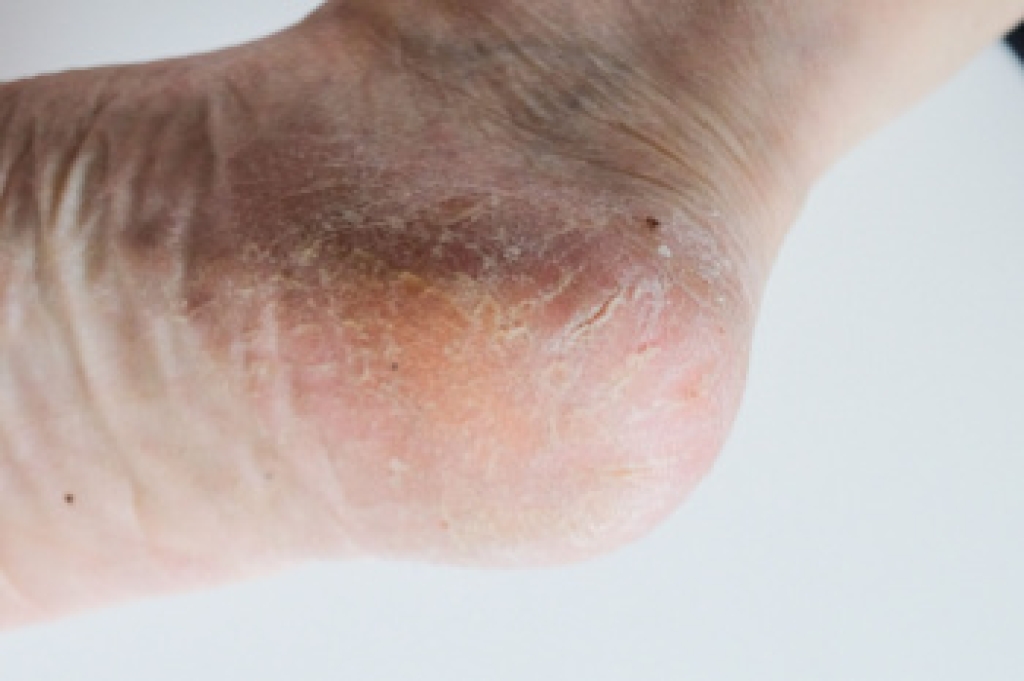
Cracked heels, a common foot ailment, can be caused by various factors. Vitamin deficiencies, particularly in vitamins A, C, and E, can lead to dry, flaky skin, making heels more prone to cracking. Excess weight gain places added pressure on the heels, leading to calluses and fissures. Wearing ill-fitting or open-back shoes exposes the heels to friction and pressure, exacerbating the problem. Additionally, genetics may also play a role, as some individuals naturally have drier skin or a predisposition to foot conditions. Unhygienic conditions, such as standing for long periods in damp environments or neglecting proper foot care, can contribute to cracked heels. Cracked heels can cause significant pain and discomfort. If this applies to you, it is strongly suggested that you confer with a podiatrist who can prescribe medication for effective relief.

Cracked heels are unsightly and can cause further damage to your shoes and feet. If you have any concerns, contact one of our podiatrists from Farah Podiatry Associates. Our doctors can provide the care you need to keep you pain-free and on your feet.

Cracked Heels

Cracked heels appear unappealing and can make it harder for you walk around in sandals. Aside from looking unpleasant, cracked heels can also tear stockings, socks, and wear out your shoes. There are several methods to help restore a cracked heel and prevent further damage.

How Do You Get Them?

Dry skin is the number one culprit in creating cracked heels. Many athletes, walkers, joggers, and even swimmers suffer from cracked heels. Age and skin oil production play a role to getting cracked heels as well.

Promote Healing

Over the counter medicines can help, especially for those that need instant relief or who suffer from chronic dry feet.

Wear Socks – Wearing socks with medicated creams helps lock in moisture.

Moisturizers – Applying both day and night will help alleviate dryness which causes cracking.

Pumice Stones – These exfoliate and remove dead skin, which allows for smoother moisturizer application and better absorption into the skin. 

Change in Diet

Eating healthy with a well-balanced diet will give the skin a fresh and radiant look. Your body responds to the kinds of food you ingest. Omega-3 fatty acids and zinc supplements can also revitalize skin tissue.

Most importantly, seek professional help if unsure how to proceed in treating cracked heels. A podiatrist will help you with any questions or information needed. 

If you have any questions, please feel free to contact our office located in Trenton, MI . We offer the newest diagnostic and treatment technologies for all your foot care needs.

Read more about Solutions for Cracked Heels

Pressure Injuries and Diabetic Foot Wounds

Pressure injuries and diabetic foot wounds are two distinct yet potentially serious conditions that affect the feet, often requiring specialized medical attention from a podiatrist. Pressure injuries, commonly known as bed sores or ulcers, develop due to prolonged pressure on specific areas of the body, typically seen in individuals who are immobile or bedridden. They often occur on bony prominences, such as the heels, ankles, or toes, and lead to tissue damage and open wounds. Diabetic foot wounds are a consequence of diabetes-related complications, including peripheral neuropathy and impaired circulation. These wounds typically appear as ulcers, blisters, or cuts and are slow to heal due to poor blood flow and reduced sensation in the feet. Diagnosing these conditions involves careful examination, often including assessment of wound size, depth, and surrounding tissue condition. Prompt intervention is imperative to prevent complications like infection or tissue necrosis. If you have a foot wound or ulcer, it is strongly suggested that you seek immediate evaluation and treatment from a podiatrist to prevent further complications and promote healing.

Wound care is an important part in dealing with diabetes. If you have diabetes and a foot wound or would like more information about wound care for diabetics, consult with one of our podiatrists from Farah Podiatry Associates. Our doctors will assess your condition and provide you with quality foot and ankle treatment.

What Is Wound Care?

Wound care is the practice of taking proper care of a wound. This can range from the smallest to the largest of wounds. While everyone can benefit from proper wound care, it is much more important for diabetics. Diabetics often suffer from poor blood circulation which causes wounds to heal much slower than they would in a non-diabetic. 

What Is the Importance of Wound Care?

While it may not seem apparent with small ulcers on the foot, for diabetics, any size ulcer can become infected. Diabetics often also suffer from neuropathy, or nerve loss. This means they might not even feel when they have an ulcer on their foot. If the wound becomes severely infected, amputation may be necessary. Therefore, it is of the upmost importance to properly care for any and all foot wounds.

How to Care for Wounds

The best way to care for foot wounds is to prevent them. For diabetics, this means daily inspections of the feet for any signs of abnormalities or ulcers. It is also recommended to see a podiatrist several times a year for a foot inspection. If you do have an ulcer, run the wound under water to clear dirt from the wound; then apply antibiotic ointment to the wound and cover with a bandage. Bandages should be changed daily and keeping pressure off the wound is smart. It is advised to see a podiatrist, who can keep an eye on it.

If you have any questions please contact our office located in Trenton, MI . We offer the newest diagnostic and treatment technologies for all your foot and ankle needs.

Read more about Wound Care

What Causes Ankle Sprains?

Ankle sprains can disrupt daily activities and impede mobility, often stemming from sudden twists or turns that overstress the ligaments surrounding the ankle joint. These ligaments, responsible for stabilizing the joint, can become stretched or torn, leading to pain, swelling, and instability. Symptoms of an ankle sprain typically include sudden onset of pain, especially on the outside of the ankle, along with swelling and bruising. Limited range of motion and difficulty bearing weight on the affected ankle are also telltale signs of a sprain. In severe cases, individuals may experience a popping sensation at the time of injury, indicative of ligament damage. Factors like uneven terrain, inadequate footwear, and previous ankle injuries can increase the risk of sprains. If you have sprained your ankle, it is suggested that you consult a podiatrist who can accurately diagnose and treat this injury.

Although ankle sprains are common, they aren’t always minor injuries. If you need your ankle injury looked at, contact one of our podiatrists from Farah Podiatry Associates. Our doctors can provide the care you need to keep you pain-free and on your feet.

How Does an Ankle Sprain Occur?

Ankle sprains are the result of a tear in the ligaments within the ankle. These injuries may happen when you make a rapid shifting movement while your foot is planted. A less common way to sprain your ankle is when your ankle rolls inward while your foot turns outward.

What Are the Symptoms?

  • Pain at the sight of the tear
  • Bruising/Swelling
  • Ankle area is tender to touch
  • In severe cases, may hear/feel something tear
  • Skin discoloration

Preventing a Sprain

  • Wearing appropriate shoes for the occasion
  • Stretching before exercises and sports
  • Knowing your limits

Treatment of a Sprain

In many cases, the RICE method (Rest, Ice, Compression, and Elevate) is used to treat ankle sprains. However, you should see a podiatrist to see which treatment option would work best with your injury. In severe cases, surgery may be required.

It is important to ask your doctor about rehab options after you receive treatment for your injury. Stretching, strength training, and balance exercises may help the ankle heal while also preventing further injury.

If you have any questions, please feel free to contact our office located in Trenton, MI . We offer the newest diagnostic and treatment technologies for all your foot care needs.

Read more about Ankle Sprains

Wounds That Don't Heal Need to Be Checked

Your feet are covered most of the day. If you're diabetic, periodic screening is important for good health. Numbness is often a sign of diabetic foot and can mask a sore or wound.

scroll to top