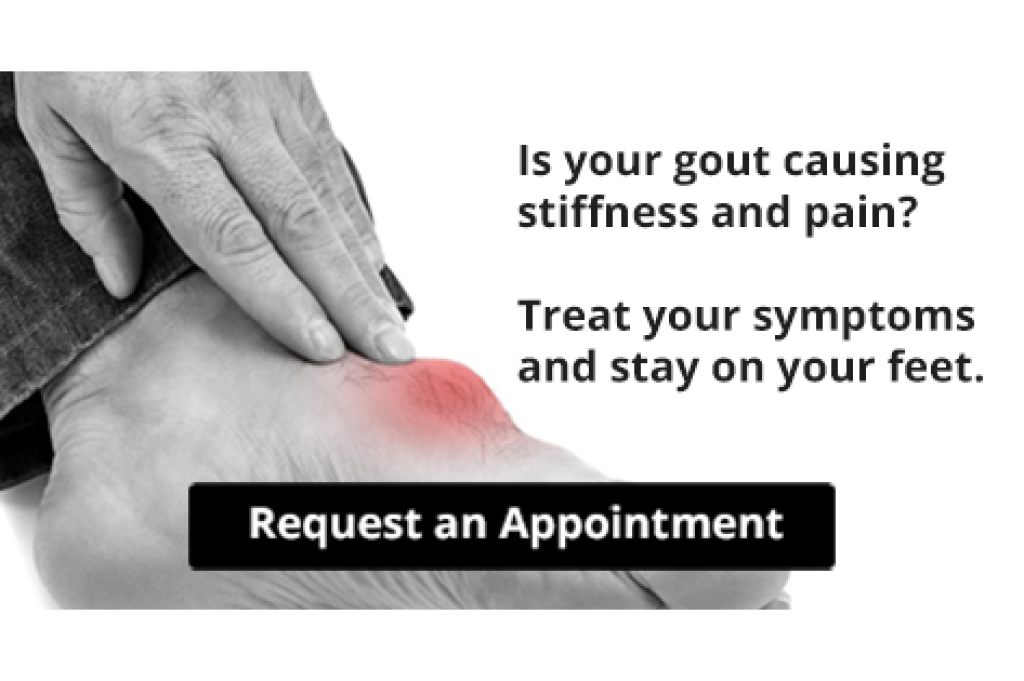
Gout is a painful, inflammatory form of arthritis. Those affected will typically feel an intense stiffness in the joints of their feet, particularly in the big toe. Schedule a visit to learn about how gout can be managed and treated.
Gout is a painful, inflammatory form of arthritis. Those affected will typically feel an intense stiffness in the joints of their feet, particularly in the big toe. Schedule a visit to learn about how gout can be managed and treated.
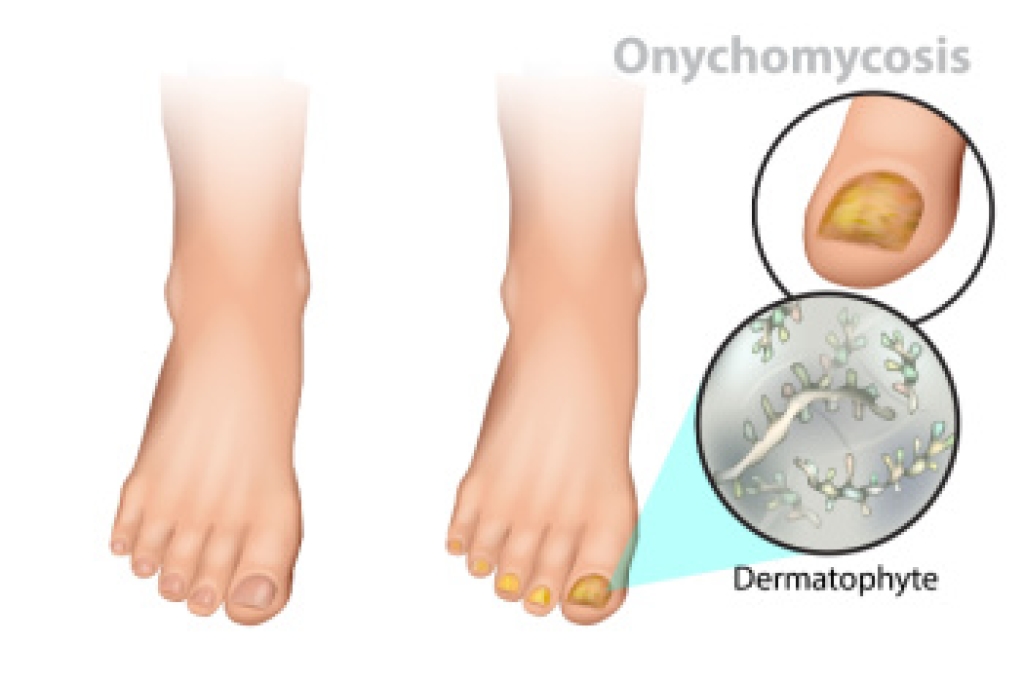
Toenail fungus, also known as onychomycosis, is a common infection that affects the nail bed and causes discoloration, thickening, and brittleness of the nails. It is often caused by fungi that thrive in warm, moist environments, such as sweaty shoes or locker rooms. Risk factors include poor foot hygiene, reduced circulation, diabetes, and tight footwear. Symptoms include yellow or white spots, crumbling nail edges, and a foul odor. A podiatrist can diagnose the infection, recommend anti-fungal treatments, and provide nail care to restore healthy nails. If you notice changes in your toenails, it is suggested that you consult a podiatrist who can offer effective treatment solutions, which may include prescribed medication.
If left untreated, toenail fungus may spread to other toenails, skin, or even fingernails. If you suspect you have toenail fungus it is important to seek treatment right away. For more information about treatment, contact one of our podiatrists of Farah Podiatry Associates. Our doctors can provide the care you need to keep you pain-free and on your feet.
Symptoms
Treatment
If self-care strategies and over-the-counter medications does not help your fungus, your podiatrist may give you a prescription drug instead. Even if you find relief from your toenail fungus symptoms, you may experience a repeat infection in the future.
Prevention
In order to prevent getting toenail fungus in the future, you should always make sure to wash your feet with soap and water. After washing, it is important to dry your feet thoroughly especially in between the toes. When trimming your toenails, be sure to trim straight across instead of in a rounded shape. It is crucial not to cover up discolored nails with nail polish because that will prevent your nail from being able to “breathe”.
In some cases, surgical procedure may be needed to remove the toenail fungus. Consult with your podiatrist about the best treatment options for your case of toenail fungus.
If you have any questions please contact our office located in Trenton, MI . We offer the newest diagnostic and treatment technologies for all your foot and ankle needs.
After ankle or distal tibia surgery, preventing wound complications is essential for proper recovery. Incisional Negative Pressure Wound Therapy, or NPWT, has been shown to significantly lower the risk of infection and promote faster healing. This method gently applies controlled suction to the closed surgical incision, helping remove excess fluid and improve blood circulation around the wound. Better circulation delivers oxygen and nutrients to the tissue, supporting the body’s natural repair process and reducing swelling. Studies show patients treated with NPWT experience fewer complications and faster recovery times compared to traditional dressings. This advanced therapy is particularly helpful for individuals with higher risk factors such as diabetes or poor circulation. If you are recovering from foot or ankle surgery, it is suggested that you consult a podiatrist as to whether incisional NPWT can help protect your incision and promote optimal healing.
Wound care is an important part in dealing with diabetes. If you have diabetes and a foot wound or would like more information about wound care for diabetics, consult with one of our podiatrists from Farah Podiatry Associates. Our doctors will assess your condition and provide you with quality foot and ankle treatment.
What Is Wound Care?
Wound care is the practice of taking proper care of a wound. This can range from the smallest to the largest of wounds. While everyone can benefit from proper wound care, it is much more important for diabetics. Diabetics often suffer from poor blood circulation which causes wounds to heal much slower than they would in a non-diabetic.
What Is the Importance of Wound Care?
While it may not seem apparent with small ulcers on the foot, for diabetics, any size ulcer can become infected. Diabetics often also suffer from neuropathy, or nerve loss. This means they might not even feel when they have an ulcer on their foot. If the wound becomes severely infected, amputation may be necessary. Therefore, it is of the upmost importance to properly care for any and all foot wounds.
How to Care for Wounds
The best way to care for foot wounds is to prevent them. For diabetics, this means daily inspections of the feet for any signs of abnormalities or ulcers. It is also recommended to see a podiatrist several times a year for a foot inspection. If you do have an ulcer, run the wound under water to clear dirt from the wound; then apply antibiotic ointment to the wound and cover with a bandage. Bandages should be changed daily and keeping pressure off the wound is smart. It is advised to see a podiatrist, who can keep an eye on it.
If you have any questions please contact our office located in Trenton, MI . We offer the newest diagnostic and treatment technologies for all your foot and ankle needs.
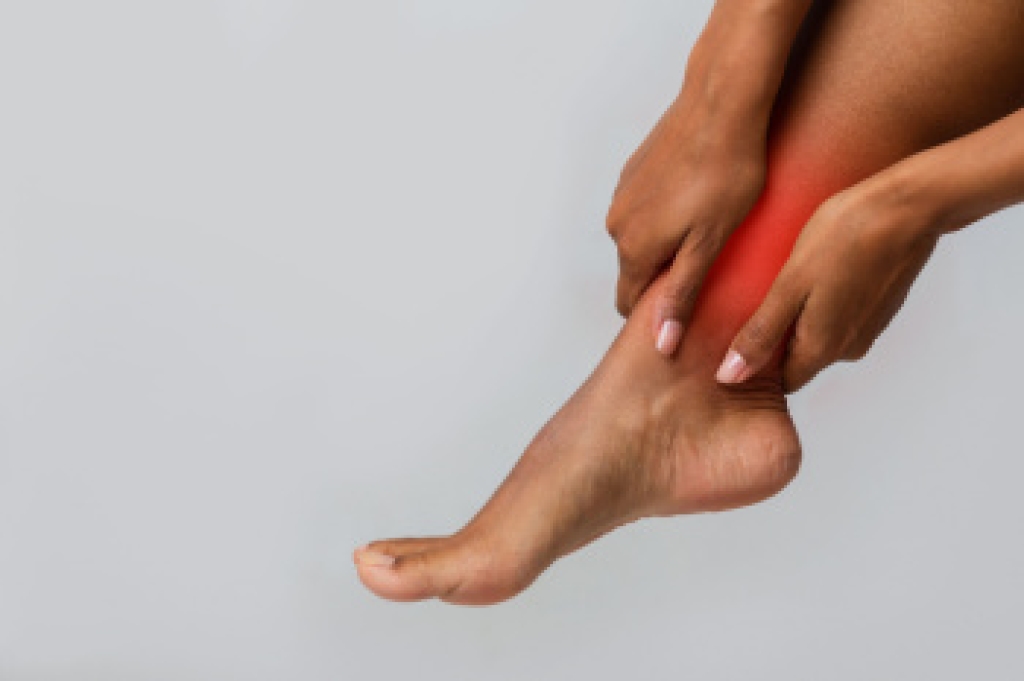
Ankle tendonitis is inflammation of the tendons around the ankle joint, often caused by overuse, improper footwear, flat feet, or sudden increases in physical activity. Common types include Achilles tendonitis, posterior tibial tendonitis, and peroneal tendonitis. Symptoms may involve aching, swelling, stiffness, and tenderness along the affected tendon, especially after activity or in the morning. The area may appear red or warm and can become painful when walking, climbing stairs, or standing for long periods. The pain is usually localized but can radiate along the ankle or lower leg. A podiatrist can diagnose the specific type of tendonitis through a physical examination, medical history, and imaging studies, such as ultrasound or MRI. Treatment may include anti-inflammatory medications, custom orthotics, targeted exercises, and temporary immobilization. In more severe cases, advanced therapies or surgery may be needed. Since untreated tendonitis can lead to chronic pain or tendon rupture, it is suggested that you make an appointment with a podiatrist.
Ankle pain can have many different causes and the pain may potentially be serious. If you have ankle pain, consult with one of our podiatrists from Farah Podiatry Associates. Our doctors will assess your condition and provide you with quality foot and ankle treatment.
Ankle pain is any condition that causes pain in the ankle. Due to the fact that the ankle consists of tendons, muscles, bones, and ligaments, ankle pain can come from a number of different conditions.
Causes
The most common causes of ankle pain include:
Symptoms
Symptoms of ankle injury vary based upon the condition. Pain may include general pain and discomfort, swelling, aching, redness, bruising, burning or stabbing sensations, and/or loss of sensation.
Diagnosis
Due to the wide variety of potential causes of ankle pain, podiatrists will utilize a number of different methods to properly diagnose ankle pain. This can include asking for personal and family medical histories and of any recent injuries. Further diagnosis may include sensation tests, a physical examination, and potentially x-rays or other imaging tests.
Treatment
Just as the range of causes varies widely, so do treatments. Some more common treatments are rest, ice packs, keeping pressure off the foot, orthotics and braces, medication for inflammation and pain, and surgery.
If you have any questions please feel free to contact our office located in Trenton, MI . We offer the newest diagnostic tools and technology to treat your foot and ankle needs.

Ticklish feet are a common sensation that can make some people laugh uncontrollably, while others may find it uncomfortable. The sensitivity in the feet is due to the presence of approximately 8,000 nerve endings that respond to various stimuli. The sensation of tickling can be broken down into two types, which are known as knismesis and gargalesis. Knismesis refers to a light, often gentle touch that can cause itching or mild tickling sensations, while gargalesis is a more intense form of tickling that often results in laughter and can trigger an involuntary response. People vary in their sensitivity to tickling, as factors such as genetic makeup, nervous system sensitivity, and psychological aspects play a role. The feet are particularly sensitive due to their high concentration of nerve endings, which makes them more susceptible to ticklish sensations when touched or stimulated. Ticklish feet can be bothersome while having pedicures performed or getting foot massages. It may also indicate diabetes. If you have particularly sensitive feet, it is suggested that you consult a podiatrist who can educate you on this condition.
Foot Pain
Foot pain can be extremely painful and debilitating. If you have a foot pain, consult with one of our podiatrists from Farah Podiatry Associates. Our doctors will assess your condition and provide you with quality foot and ankle treatment.
Causes
Foot pain is a very broad condition that could be caused by one or more ailments. The most common include:
Diagnosis
To figure out the cause of foot pain, podiatrists utilize several different methods. This can range from simple visual inspections and sensation tests to X-rays and MRI scans. Prior medical history, family medical history, and any recent physical traumatic events will all be taken into consideration for a proper diagnosis.
Treatment
Treatment depends upon the cause of the foot pain. Whether it is resting, staying off the foot, or having surgery; podiatrists have a number of treatment options available for foot pain.
If you have any questions, please feel free to contact our office located in Trenton, MI . We offer the newest diagnostic and treatment technologies for all your foot care needs.
