
Same Day Emergency Appointments Available

Why Choose Foot Surgery?

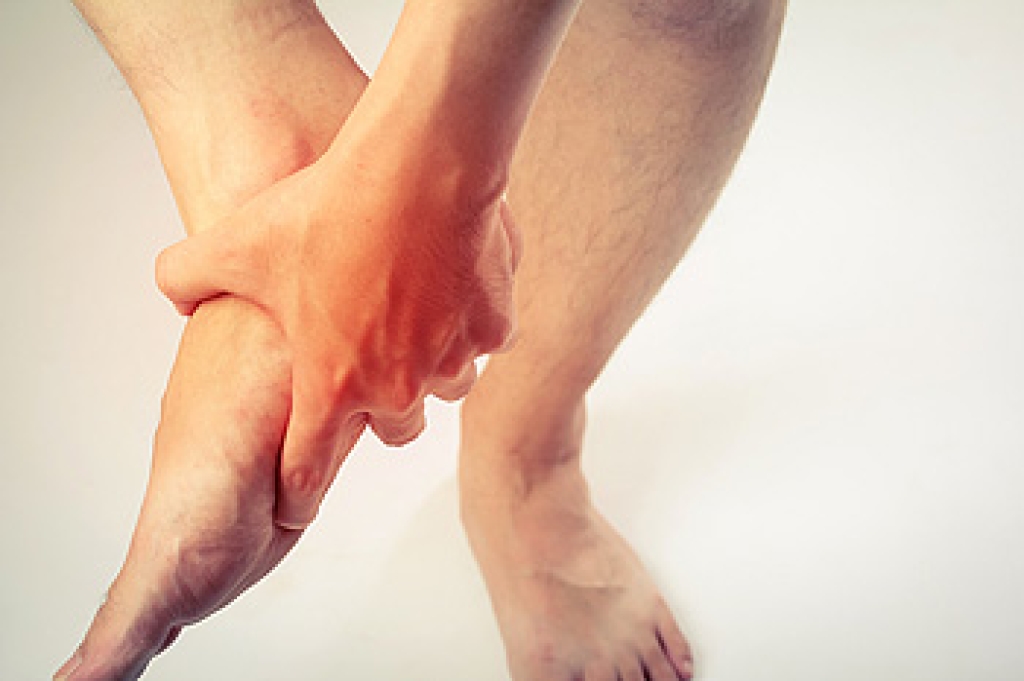
Many patients choose to have foot surgery performed as an option to relieve severe pain and discomfort. Relief may be found when toenail removal is chosen to correct chronically infected ingrown toenails. Bunion surgery may be a choice to consider if the bunion is painful and unsightly. Research has indicated it is helpful to wear orthotics following a bunionectomy, as this may help to achieve long lasting relief. If pain is felt from a deformed ankle, the surgery that may help diminish the discomfort is referred to as an ankle fusion. Additionally, this type of surgery may help patients who have ankle arthritis, and neuromuscular disorders. If you have foot pain, and are considering surgery, it is strongly advised that you schedule a consultation with a podiatrist who can properly guide you toward making the choice that is correct for you.

Foot surgery is sometimes necessary to treat a foot ailment. To learn more, contact one of our podiatrists of Farah Podiatry Associates. Our doctors will assist you with all of your foot and ankle needs.

When Is Surgery Necessary?

Foot and ankle surgery is generally reserved for cases in which less invasive, conservative procedures have failed to alleviate the problem. Some of the cases in which surgery may be necessary include:

  • Removing foot deformities like bunions and bone spurs
  • Severe arthritis that has caused bone issues
  • Cosmetic reconstruction

What Types of Surgery Are There?

The type of surgery you receive will depend on the nature of the problem you have. Some of the possible surgeries include:

  • Bunionectomy for painful bunions
  • Surgical fusion for realignment of bones
  • Neuropathy decompression surgery to treat nerve damage

Benefits of Surgery

Although surgery is usually a last resort, it can provide more complete pain relief compared to non-surgical methods and may allow you to finally resume full activity.

Surgical techniques have also become increasingly sophisticated. Techniques like endoscopic surgery allow for smaller incisions and faster recovery times.

If you have any questions, please feel free to contact our office located in Trenton, MI . We offer the newest diagnostic and treatment technologies for all your foot care needs.
Read more about Foot Surgery

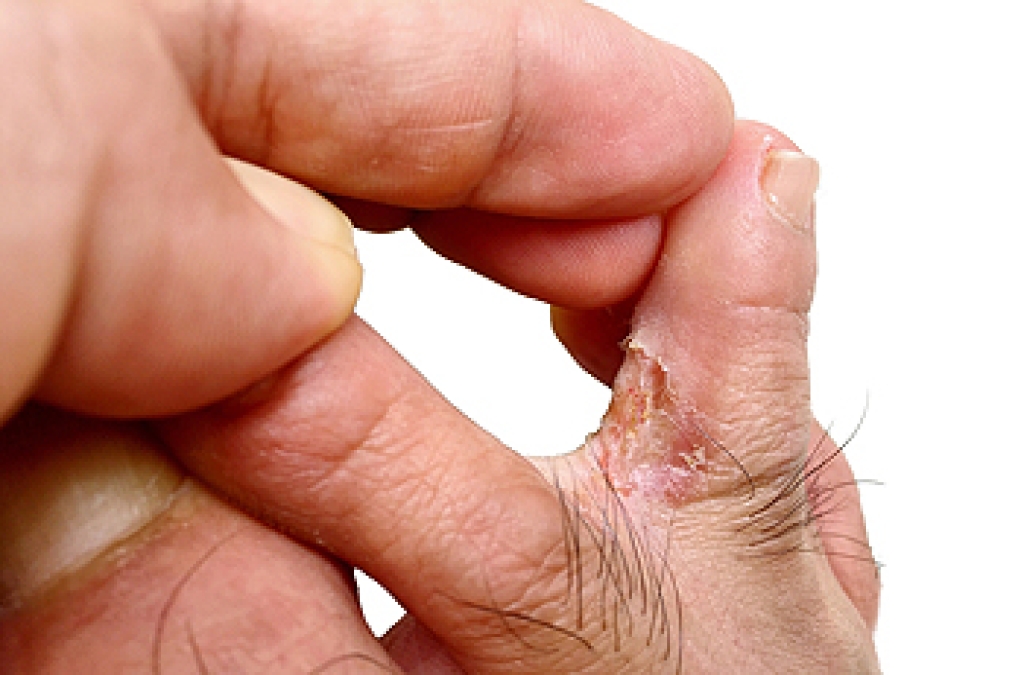
What is a Corn?

A corn can form on different parts of the foot as a result of excess friction. It is defined as a hard, thickened area, and will typically cause severe pain and discomfort. If the shoes that are worn do not fit properly, a corn may form on the inside of the pinky toe. Relief may be found if a pad is worn over the affected area. Additionally, it may help to soak the affected foot in warm water, as this may aid in softening the corn. Afterward, a pumice stone can be used in gently filing the corn to remove any dead skin. When toenails are properly trimmed, pressure may be avoided from the nail touching the skin, and this may help to prevent corns from developing. If you are afflicted with corns, it is suggested that you seek the counsel of a podiatrist who can assist you in choosing the proper treatment.

If you have any concerns regarding your feet and ankles, contact one of our podiatrists of Farah Podiatry Associates. Our doctors will treat your foot and ankle needs.

Corns: What Are They? and How Do You Get Rid of Them?
Corns can be described as areas of the skin that have thickened to the point of becoming painful or irritating. They are often layers and layers of the skin that have become dry and rough, and are normally smaller than calluses.

Ways to Prevent Corns
There are many ways to get rid of painful corns such as wearing:

  • Well-fitting socks
  • Comfortable shoes that are not tight around your foot
  • Shoes that offer support

Treating Corns
Treatment of corns involves removing the dead skin that has built up in the specific area of the foot. Consult with Our doctors to determine the best treatment option for your case of corns.

If you have any questions, please feel free to contact our office located in Trenton, MI . We offer the newest diagnostic and treatment technologies for all your foot care needs.

Read more about Corns: What Are They, and How Do You Get Rid of Them

What is Tarsal Tunnel Syndrome?

Tarsal tunnel syndrome occurs in the foot and ankle. It is similar to carpal tunnel syndrome, which occurs in the wrist. Both disorders arise from the compression of a nerve in a confined space. Tarsal tunnel syndrome is a constriction, or squeezing, on the posterior tibial nerve that produces symptoms anywhere on the path of the nerve running from the inside of the ankle into the foot. The posterior tibial nerve is the focus of tarsal tunnel syndrome. This nerve runs down the back of the calf and into the sole of the foot. When tissues around the tarsal tunnel become inflamed, they can swell and press on the nerve, causing severe pain. If you have pain in your foot or ankle and want to identify the source, it is suggested to consult with your local podiatrist. Your podiatrist may prescribe corticosteroid injections, orthoses, and in some cases, surgery to treat this ailment.

Tarsal tunnel syndrome can be very uncomfortable to live with. If you are experiencing tarsal tunnel syndrome, contact one of our podiatrists of Farah Podiatry Associates. Our doctors can provide the care you need to keep you pain-free and on your feet.

Tarsal Tunnel Syndrome

Tarsal tunnel syndrome, which can also be called tibial nerve dysfunction, is an uncommon condition of misfiring peripheral nerves in the foot. The tibial nerve is the peripheral nerve in the leg responsible for sensation and movement of the foot and calf muscles. In tarsal tunnel syndrome, the tibial nerve is damaged, causing problems with movement and feeling in the foot of the affected leg.

Common Cause of Tarsal Tunnel Syndrome

  • Involves pressure or an injury, direct pressure on the tibial nerve for an extended period of time, sometimes caused by other body structures close by or near the knee.
  • Diseases that damage nerves, including diabetes, may cause tarsal tunnel syndrome.
  • At times, tarsal tunnel syndrome can appear without an obvious cause in some cases.

The Effects of Tarsal Tunnel Syndrome

  • Different sensations, an afflicted person may experience pain, tingling, burning or other unusual sensations in the foot of the affected leg.
  • The foot muscles, toes and ankle become weaker, and curling your toes or flexing your foot can become difficult.
  • If condition worsens, infections and ulcers may develop on the foot that is experiencing the syndrome.

A physical exam of the leg can help identify the presence of tarsal tunnel syndrome. Medical tests, such as a nerve biopsy, are also used to diagnose the condition. Patients may receive physical therapy and prescriptive medication. In extreme cases, some may require surgery.

If you have any questions please contact our office located in Trenton, MI . We offer the newest diagnostic and treatment technologies for all your foot and ankle needs.

Read more about Treating Tarsal Tunnel Syndrome

Wounds That Don't Heal Need to Be Checked

Your feet are covered most of the day. If you're diabetic, periodic screening is important for good health. Numbness is often a sign of diabetic foot and can mask a sore or wound.

Helpful Tips On Elderly Foot Care

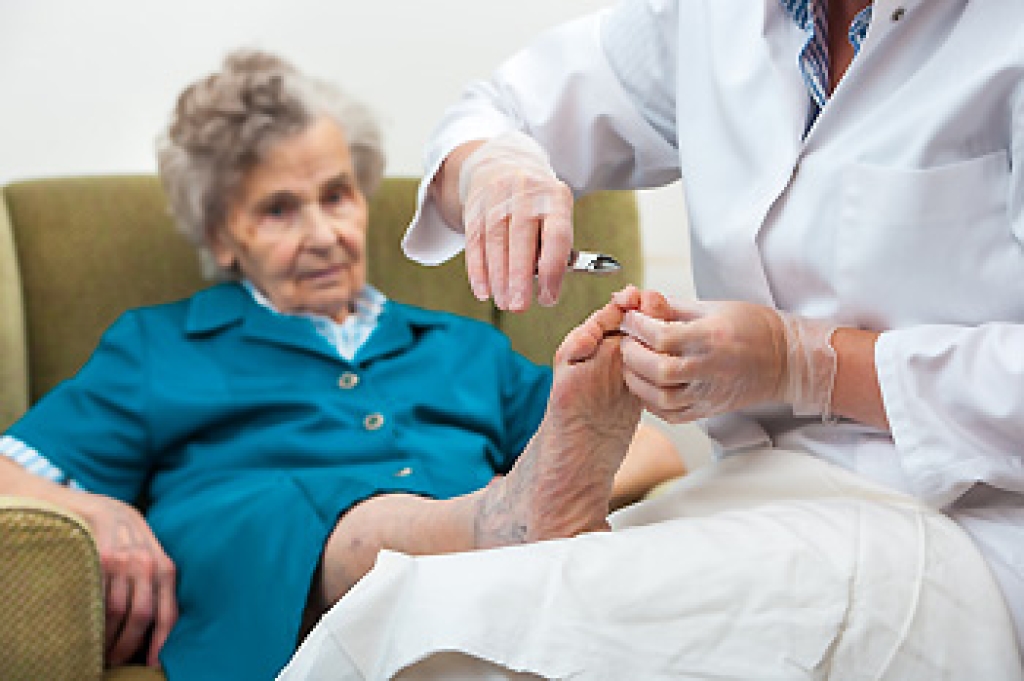
Research has shown the importance for elderly people to properly take care of their feet. It may be difficult for seniors to bend down to trim their toenails, and they may benefit from having a caregiver or a relative help them accomplish this. If the patient is diabetic, any cuts, scrapes, or wounds on the feet need to be treated as quickly as possible. This can be helpful in preventing any infections from developing. Additionally, wearing socks that fit properly may be helpful controlling existing circulation conditions. The feet may change size as the aging process occurs, and it is suggested that the  feet get measured regularly. This will help in determining the correct shoe size that will be comfortable to wear. Elderly patients may find it feels good to frequently stretch their feet, and this may benefit the overall health of the feet. If you would like additional information about how to help geriatric patients properly care for their feet, it is suggested that you consult with a podiatrist.

If you need your feet checked, contact one of our podiatrists of Farah Podiatry Associates. Our doctors will attend to all of your foot and ankle needs and provide you with quality treatment.

Geriatrics and Podiatry
When people age, some common issues that may occur are bone density loss, dry skin, poor circulation, and rough brittle nails. These issues may also affect your foot health if the necessary steps are not taken to alleviate the problems.

It is important to take care of your feet because feet that are injured or diseased can affect your overall health. Having painful feet hinders your ability to do daily activities or may decrease your willingness to do the things that you need to do.

Visiting Your Geriatrician
As we age, health problems become more likely, so it is essential to visit your doctor for check-ups to ensure that you are doing the best you can to take care of your health. It is recommended to check your feet frequently for any possible cuts, bruises, swelling, corns or any other irregularities. 

Taking Care of Elderly Feet
Cracked or dry feet can be treated by applying moisturizer often. It is also important not to wear old socks because the older the sock is, the higher the possibility there will be that there is bacteria there. Wear fresh socks and make sure they fit properly.

Proper foot health means that you can have a more active lifestyle and you will not be bogged down by pain. Foot health also leads to good circulation, which is paramount for overall health.

If you have any questions, please feel free to contact our office located in Trenton, MI . We offer the newest diagnostic and treatment technologies for all your foot care needs.
Read more about Geriatrics and Podiatry
scroll to top