Same Day Emergency Appointments Available

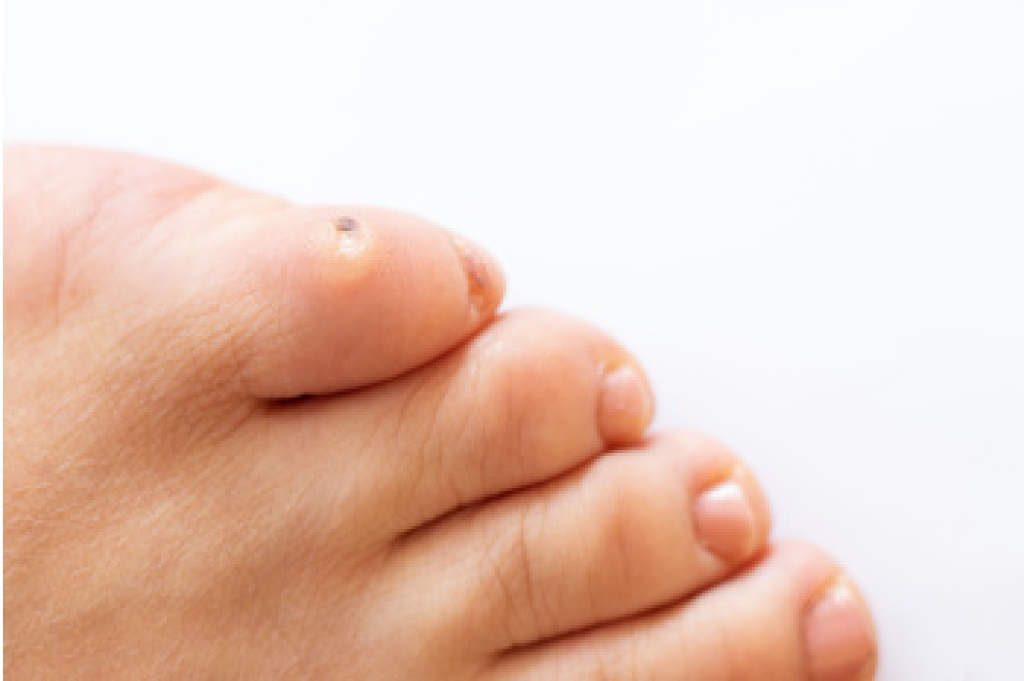
Corns and Calluses Can Cause Discomfort in the Feet

Corns and calluses are thickened areas of skin that develop as a natural response to repeated pressure or friction. Although they help protect the skin, they can become painful, especially when located on weight-bearing areas of the feet. Corns typically form on the tops or sides of toes and are often small and round. Calluses are usually larger and develop on the soles of the feet, especially under the heels or balls of the feet. Wearing tight shoes, walking barefoot, or having foot deformities like bunions can contribute to the formation of corns and calluses. While these skin changes are not harmful on their own, the discomfort they cause may affect walking and daily comfort. Treatment often includes reducing pressure through padding, wearing properly fitted footwear, and sometimes using custom orthotics. If corns or calluses are causing pain, it is suggested you visit a podiatrist for proper care.

Corns can make walking very painful and should be treated immediately. If you have questions regarding your feet and ankles, contact one of our podiatrists of Farah Podiatry Associates. Our doctors will treat your foot and ankle needs.

Corns: What Are They? And How Do You Get Rid of Them?
Corns are thickened areas on the skin that can become painful. They are caused by excessive pressure and friction on the skin. Corns press into the deeper layers of the skin and are usually round in shape.

Ways to Prevent Corns
There are many ways to get rid of painful corns such as:

  • Wearing properly fitting shoes that have been measured by a professional
  • Wearing shoes that are not sharply pointed or have high heels
  • Wearing only shoes that offer support

Treating Corns

Although most corns slowly disappear when the friction or pressure stops, this isn’t always the case. Consult with your podiatrist to determine the best treatment option for your case of corns.

If you have any questions, please feel free to contact our office located in Trenton, MI . We offer the newest diagnostic and treatment technologies for all your foot care needs.
Read more about Corns and Calluses

Definition of a Plantar Fibroma

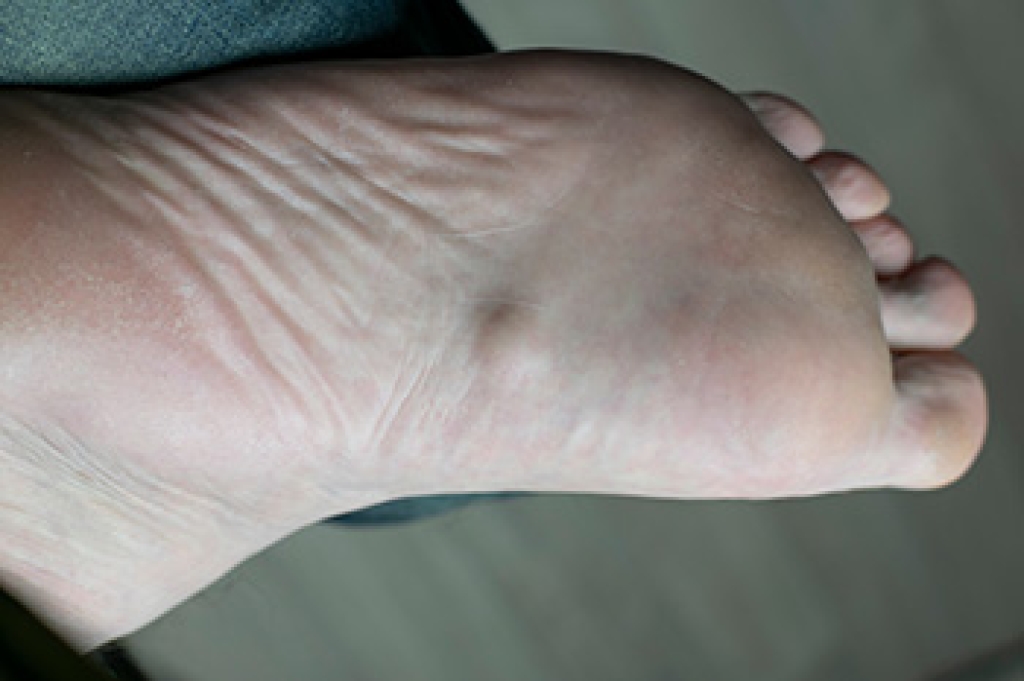
A plantar fibroma is a benign, firm lump that forms in the arch of the foot within the plantar fascia, a thick band of tissue along the sole. This condition is part of a broader disorder called plantar fibromatosis, where fibrous nodules develop and may grow slowly over time. Causes are not always clear but may include trauma, genetic factors, or connective tissue disorders. Symptoms can involve pain, tenderness, or discomfort while walking or standing. Risk factors include middle age, family history, and certain medical conditions. A podiatrist can evaluate the growth, provide noninvasive treatment, and manage symptoms effectively. If you notice a lump in your foot arch, it is suggested that you consult a podiatrist for early diagnosis and care.

A plantar fibroma may disrupt your daily activities. If you have any concerns, contact one of our podiatrists of Farah Podiatry Associates. Our doctors can provide the care you need to keep you pain-free and on your feet.

Plantar Fibroma

A plantar fibroma is a fibrous knot in the arch of the foot. It is embedded in the plantar fascia which is a band of tissue that extends from the heel to the toes along the bottom of the foot. There can be multiple plantar fibromas in the feet at the same time. There are no known causes for this condition. If you have a plantar fibroma, there will be a bump in the arch of your foot that cannot be missed. Any associated pain is most often due to a shoe rubbing against the nodule. Non-surgical options, such as steroid injections, physical therapy, and orthotics should be tried first. Surgery is a last resort and is the only thing that will remove a plantar fibroma entirely. Consult with a podiatrist for a proper diagnosis and to determine the treatment regimen that is right for you.

What Causes a Plantar Fibroma?

While there are no specific causes identified, a plantar fibroma can possibly come from genetic predisposition or the formation of scar tissue that forms from healing the tears in the plantar fascia.

What Are the Symptoms of a Plantar Fibroma?

There will be a noticeable lump in the arch of the foot that may or may not cause pain. If pain is felt, it is typically because a shoe is rubbing up against the lump or when walking or standing barefoot.

Treatment and Prevention

A plantar fibroma will not disappear without treatment, but it can get smaller and be a non-issue. If pain persists, a podiatrist examines the foot and when the arch of the foot is pressed, pain can be felt down to the toes. An MRI or biopsy might be performed to help diagnose or evaluate the plantar fibroma. The following non-surgical options are generally enough to reduce the size and pain of these nodules:

  • Steroid injections
  • Orthotics
  • Physical therapy to help apply anti-inflammatory creams on the bump 

Surgery is considered if the mass increases in size and the patient continues to feel pain after non-surgical methods are tried.

If you have any questions, please feel free to contact our office located in Trenton, MI . We offer the newest diagnostic and treatment technologies for all your foot care needs.
Read more about Plantar Fibroma

Pain in the Arch of the Foot

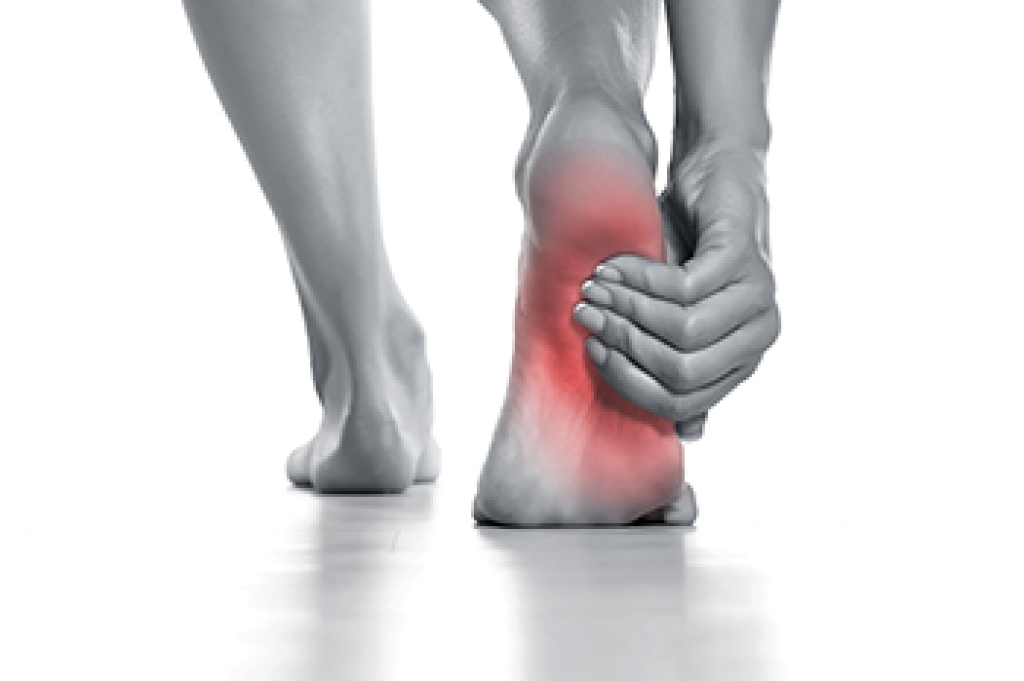
Foot arch pain can arise from several causes, including plantar fasciitis, foot cramps, and overuse injuries. Flat feet and nerve compression are other causes. Symptoms include a dull ache or sharp, stabbing pain in the arch, especially with the first steps in the morning, or after long periods of standing. Some people also experience tingling sensations, visible inflammation, or tightness that radiates into the heel or toes. Chronic arch pain may lead to compensatory walking patterns, triggering pain in the ankles, knees, or lower back. A podiatrist can perform a comprehensive evaluation to pinpoint the cause of your arch pain. They offer custom orthotics to support the arch structure, targeted stretches, footwear guidance, and, if necessary, advanced treatments like injections. Early intervention can prevent long-term damage and restore foot function. If you have pain in the arch of your foot, it is suggested that you schedule an appointment with a podiatrist for appropriate treatment.

Foot Pain

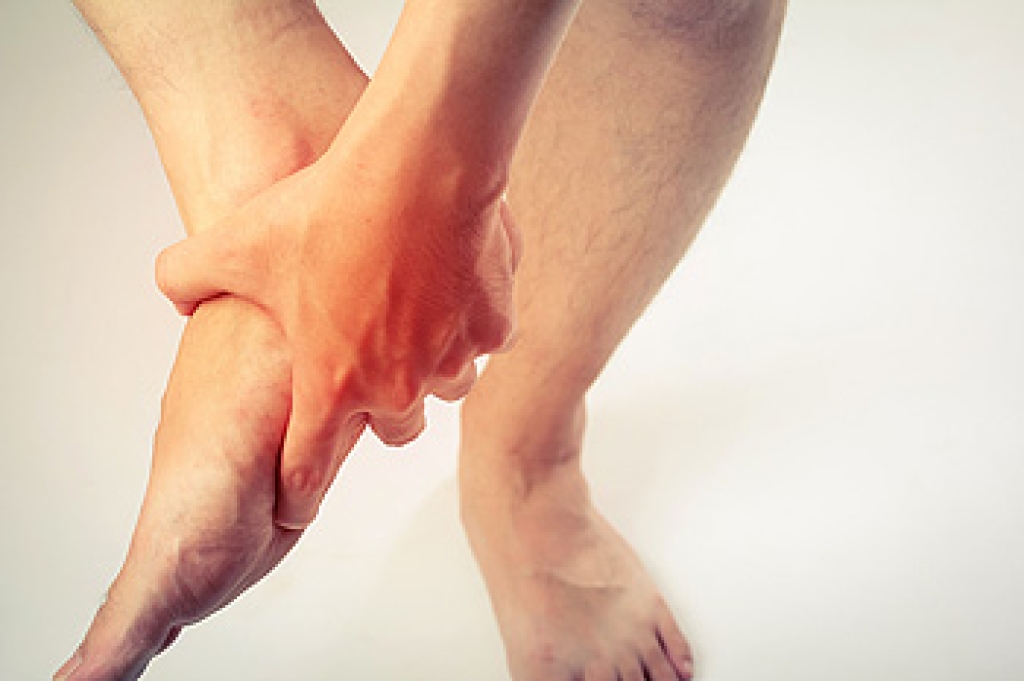
Foot pain can be extremely painful and debilitating. If you have a foot pain, consult with one of our podiatrists from Farah Podiatry Associates. Our doctors will assess your condition and provide you with quality foot and ankle treatment.

Causes

Foot pain is a very broad condition that could be caused by one or more ailments. The most common include:

  • Bunions
  • Hammertoes
  • Plantar Fasciitis
  • Bone Spurs
  • Corns
  • Tarsal Tunnel Syndrome
  • Ingrown Toenails
  • Arthritis (such as Gout, Rheumatoid, and Osteoarthritis)
  • Flat Feet
  • Injury (from stress fractures, broken toe, foot, ankle, Achilles tendon ruptures, and sprains)
  • And more

Diagnosis

To figure out the cause of foot pain, podiatrists utilize several different methods. This can range from simple visual inspections and sensation tests to X-rays and MRI scans. Prior medical history, family medical history, and any recent physical traumatic events will all be taken into consideration for a proper diagnosis.

Treatment

Treatment depends upon the cause of the foot pain. Whether it is resting, staying off the foot, or having surgery; podiatrists have a number of treatment options available for foot pain.

If you have any questions, please feel free to contact our office located in Trenton, MI . We offer the newest diagnostic and treatment technologies for all your foot care needs.

Read more about Foot Pain

Heel Pain Due to Plantar Fasciitis

Plantar fasciitis is a leading cause of heel pain, due to inflammation or microtears in the plantar fascia, a thick band of tissue that connects the heel to the toes. Common causes include overuse, improper footwear, flat feet, or tight calf muscles. While many people experience pain with their first steps in the morning, a lesser-known symptom is pain that increases after long periods of standing or after exercise, rather than during it. Visually, the foot may appear normal, but the pain is usually localized in the heel or arch and feels sharp or stabbing. Some people also notice increased tension in the arch or swelling near the heel. A podiatrist can diagnose plantar fasciitis through a physical exam and by assessing your walking pattern. Treatment includes stretching, orthotics, supportive footwear, targeted exercises, and in some cases, injections. If you are dealing with this condition, it is suggested that you make an appointment with a podiatrist for evaluation and treatment.

Plantar fasciitis can be very painful and inconvenient. If you are experiencing heel pain or symptoms of plantar fasciitis, contact one of our podiatrists  from Farah Podiatry Associates. Our doctors can provide the care you need to keep you pain-free and on your feet.

What Is Plantar Fasciitis?

Plantar fasciitis is the inflammation of the thick band of tissue that runs along the bottom of your foot, known as the plantar fascia, and causes mild to severe heel pain.

What Causes Plantar Fasciitis?

  • Excessive running
  • Non-supportive shoes
  • Overpronation
  • Repeated stretching and tearing of the plantar fascia

How Can It Be Treated?

  • Conservative measures – anti-inflammatories, ice packs, stretching exercises, physical therapy, orthotic devices
  • Shockwave therapy – sound waves are sent to the affected area to facilitate healing and are usually used for chronic cases of plantar fasciitis
  • Surgery – usually only used as a last resort when all else fails. The plantar fascia can be surgically detached from the heel

While very treatable, plantar fasciitis is definitely not something that should be ignored. Especially in severe cases, speaking to your doctor right away is highly recommended to avoid complications and severe heel pain. Your podiatrist can work with you to provide the appropriate treatment options tailored to your condition.

If you have any questions, please feel free to contact our office located in Trenton, MI . We offer the newest diagnostic and treatment technologies for all your foot care needs.

Read more about Plantar Fasciitis

Do Your Child's Feet Hurt?

Have your child's feet been examined lately? Healthy feet are happy feet. If your child is complaining of foot pain, it may be a sign of underlying problems.

scroll to top