
Same Day Emergency Appointments Available

Ankle Injuries Common While Playing Tennis

Ankle injuries while playing tennis are more than just a minor setback, they can significantly impact a player's performance and overall well-being. Understanding some essential facts about these injuries can help players better prevent and manage them. Firstly, ankle sprains are the most common type of injury in tennis, often occurring due to sudden shifts in direction or awkward landings. These sprains can range from mild to severe, affecting ligaments and stability. Moreover, tennis players are particularly prone to lateral ankle sprains, where the foot rolls inward, stressing the outer ligaments. Additionally, repetitive stress on the ankle joint from the quick, lateral movements required in tennis can lead to overuse injuries like tendonitis. Proper warm-up routines, adequate footwear, and strengthening exercises targeting ankle stability can all play pivotal roles in reducing the risk of ankle injuries and ensuring a more enjoyable and injury-free tennis experience. If you have endured an ankle injury while playing tennis, it is suggested that you visit a podiatrist who can effectively treat this condition, and offer you prevention strategies.

Sports related foot and ankle injuries require proper treatment before players can go back to their regular routines. For more information, contact one of our podiatrists of Farah Podiatry Associates. Our doctors can provide the care you need to keep you pain-free and on your feet.

Sports Related Foot and Ankle Injuries

Foot and ankle injuries are a common occurrence when it comes to athletes of any sport. While many athletes dismiss the initial aches and pains, the truth is that ignoring potential foot and ankle injuries can lead to serious problems. As athletes continue to place pressure and strain the area further, a mild injury can turn into something as serious as a rupture and may lead to a permanent disability. There are many factors that contribute to sports related foot and ankle injuries, which include failure to warm up properly, not providing support or wearing bad footwear. Common injuries and conditions athletes face, including:

  • Plantar Fasciitis
  • Achilles Tendinitis
  • Achilles Tendon Rupture
  • Ankle Sprains

Sports related injuries are commonly treated using the RICE method. This includes rest, applying ice to the injured area, compression and elevating the ankle. More serious sprains and injuries may require surgery, which could include arthroscopic and reconstructive surgery. Rehabilitation and therapy may also be required in order to get any recovering athlete to become fully functional again. Any unusual aches and pains an athlete sustains must be evaluated by a licensed, reputable medical professional.

If you have any questions please contact our office located in Trenton, MI . We offer the newest diagnostic and treatment technologies for all your foot and ankle needs.
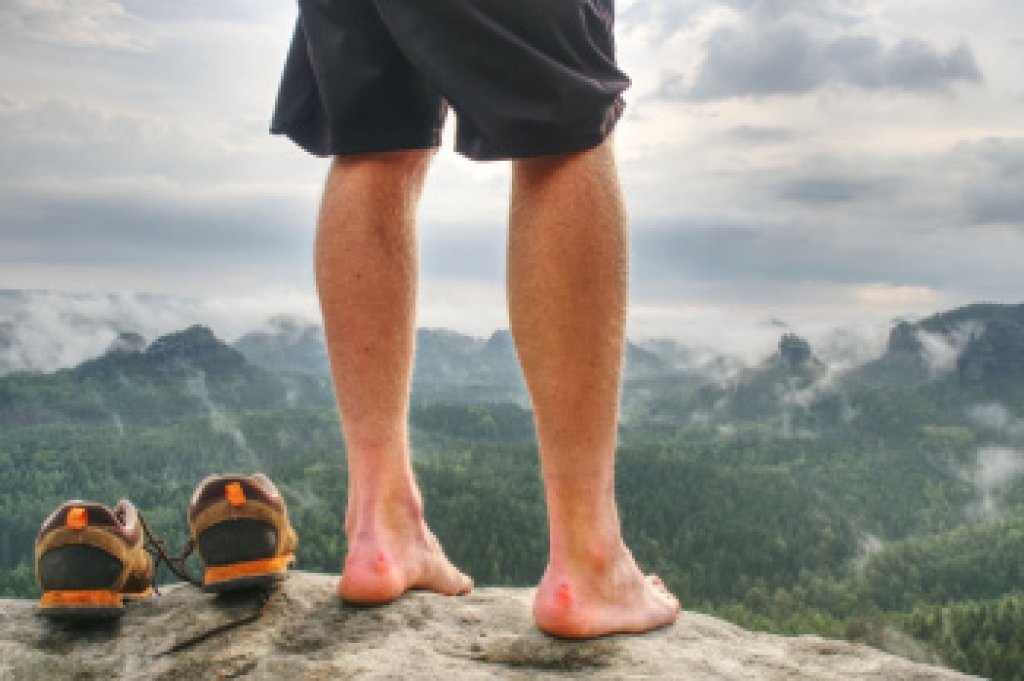
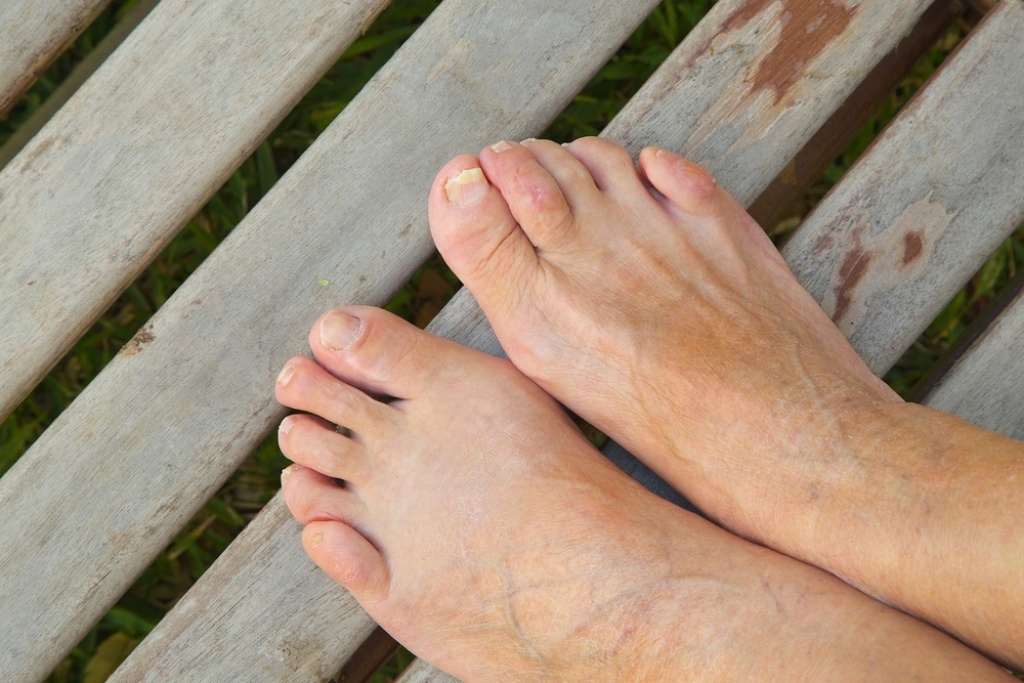
Read more about Sports Related Foot And Ankle Injuries

Common Reasons Behind Foot Blisters

Foot blisters are uncomfortable and often arise from a variety of common causes. Friction stands as a primary instigator, occurring when shoes or socks rub against the skin, particularly during vigorous physical activities or prolonged periods of standing or walking. Wearing ill-fitting footwear worsens this friction, creating hot spots that gradually develop into blisters. Moisture, another adversary, softens the skin, making it more susceptible to friction-induced damage. Wet conditions, sweaty feet, or improperly dried footwear create an ideal environment for blister formation. Furthermore, heat plays a significant role, as excessive warmth can increase friction and moisture levels, intensifying blister formation. Conversely, extreme cold can also contribute, causing skin to become brittle and more prone to friction injuries. Foot blisters can become infected if not promptly treated. If you have a bothersome blister, it is suggested that you visit a podiatrist who can treat it and offer additional prevention methods.

Blisters may appear as a single bubble or in a cluster. They can cause a lot of pain and may be filled with pus, blood, or watery serum. If your feet are hurting, contact one of our podiatrists of Farah Podiatry Associates. Our doctors can provide the care you need to keep you pain-free and on your feet.

Foot Blisters

Foot blisters are often the result of friction. This happens due to the constant rubbing from shoes, which can lead to pain.

What Are Foot Blisters?

A foot blister is a small fluid-filled pocket that forms on the upper-most layer of the skin. Blisters are filled with clear fluid and can lead to blood drainage or pus if the area becomes infected.

Symptoms

(Blister symptoms may vary depending on what is causing them)

  • Bubble of skin filled with fluid
  • Redness
  • Moderate to severe pain
  • Itching

Prevention & Treatment

In order to prevent blisters, you should be sure to wear comfortable shoes with socks that cushion your feet and absorb sweat. Breaking a blister open may increase your chances of developing an infection. However, if your blister breaks, you should wash the area with soap and water immediately and then apply a bandage to the affected area. If your blisters cause severe pain it is important that you call your podiatrist right away.

If you have any questions, please feel free to contact our office located in Trenton, MI . We offer the newest diagnostic and treatment technologies for all your foot care needs.

Read more about Blisters

Hammertoe in Kids

Hammertoe, a condition where one or more toes bend abnormally at the middle joint, can affect children as well as adults. It typically occurs due to an imbalance in the toe muscles, often exacerbated by wearing ill-fitting shoes or genetic predisposition. Children with hammertoe may experience discomfort, corns, or calluses, especially when wearing shoes. Treatment options for hammertoe in kids vary depending on the severity of the condition. Non-invasive measures such as wearing roomier footwear, toe exercises, and custom orthotic inserts can provide relief. In more severe cases, surgical intervention may be necessary to correct toe alignment. If you have a child who appears to be developing a hammertoe, it is suggested that you schedule an appointment with a podiatrist who can assess the severity of the condition in addition to providing interventions and treatment that can help to alleviate discomfort, prevent progression, and ensure optimal foot health.

Hammertoes can be a painful condition to live with. For more information, contact one of our podiatrists of Farah Podiatry Associates. Our doctors will answer any of your foot- and ankle-related questions.

Hammertoe

Hammertoe is a foot deformity that occurs due to an imbalance in the muscles, tendons, or ligaments that normally hold the toe straight. It can be caused by the type of shoes you wear, your foot structure, trauma, and certain disease processes.

Symptoms

  • Painful and/or difficult toe movement
  • Swelling
  • Joint stiffness
  • Calluses/Corns
  • Physical deformity

Risk Factors

  • Age – The risk of hammertoe increases with age
  • Sex – Women are more likely to have hammertoe compared to men
  • Toe Length – You are more likely to develop hammertoe if your second toe is longer than your big toe
  • Certain Diseases – Arthritis and diabetes may make you more likely to develop hammertoe

Treatment

If you have hammertoe, you should change into a more comfortable shoe that provides enough room for your toes. Exercises such as picking up marbles may strengthen and stretch your toe muscles. Nevertheless, it is important to seek assistance from a podiatrist in order to determine the severity of your hammertoe and see which treatment option will work best for you.

If you have any questions, please feel free to contact our office located in Trenton, MI . We offer the newest diagnostic and treatment technologies for all your foot care needs.

Read more about What Are Hammertoes?

Fascinating Facts About Feet

Feet are remarkable structures comprising 26 bones, 33 joints, and more than 100 muscles, tendons, and ligaments. These bones are divided into three groups, consisting of the tarsal bones, which form the back of the foot and ankle, the metatarsal bones, which make up the midfoot, and the phalanges, which form the toes. On average, a person takes approximately 8,000 to 10,000 steps per day, which adds up to about 115,000 miles in a lifetime. Among the many joints in the feet, some of the most essential include the ankle joint, subtalar joint, and metatarsophalangeal joints. These joints work together to provide support, flexibility, and propulsion during movement, allowing us to walk, run, jump, and dance with ease. If you have developed foot pain which may be due to your foot's structure, it is suggested that you confer with a podiatrist who can help you with relief solutions.

If you have any concerns about your feet, contact one of our podiatrists from Farah Podiatry Associates. Our doctors can provide the care you need to keep you pain-free and on your feet.

Biomechanics in Podiatry

Podiatric biomechanics is a particular sector of specialty podiatry with licensed practitioners who are trained to diagnose and treat conditions affecting the foot, ankle and lower leg. Biomechanics deals with the forces that act against the body, causing an interference with the biological structures. It focuses on the movement of the ankle, the foot and the forces that interact with them.

A History of Biomechanics

  • Biomechanics dates back to the BC era in Egypt where evidence of professional foot care has been recorded.
  • In 1974, biomechanics gained a higher profile from the studies of Merton Root, who claimed that by changing or controlling the forces between the ankle and the foot, corrections or conditions could be implemented to gain strength and coordination in the area.

Modern technological improvements are based on past theories and therapeutic processes that provide a better understanding of podiatric concepts for biomechanics. Computers can provide accurate information about the forces and patterns of the feet and lower legs.

Understanding biomechanics of the feet can help improve and eliminate pain, stopping further stress to the foot.

If you have any questions please feel free to contact our office located in Trenton, MI . We offer the newest diagnostic and treatment technologies for all your foot and ankle needs.
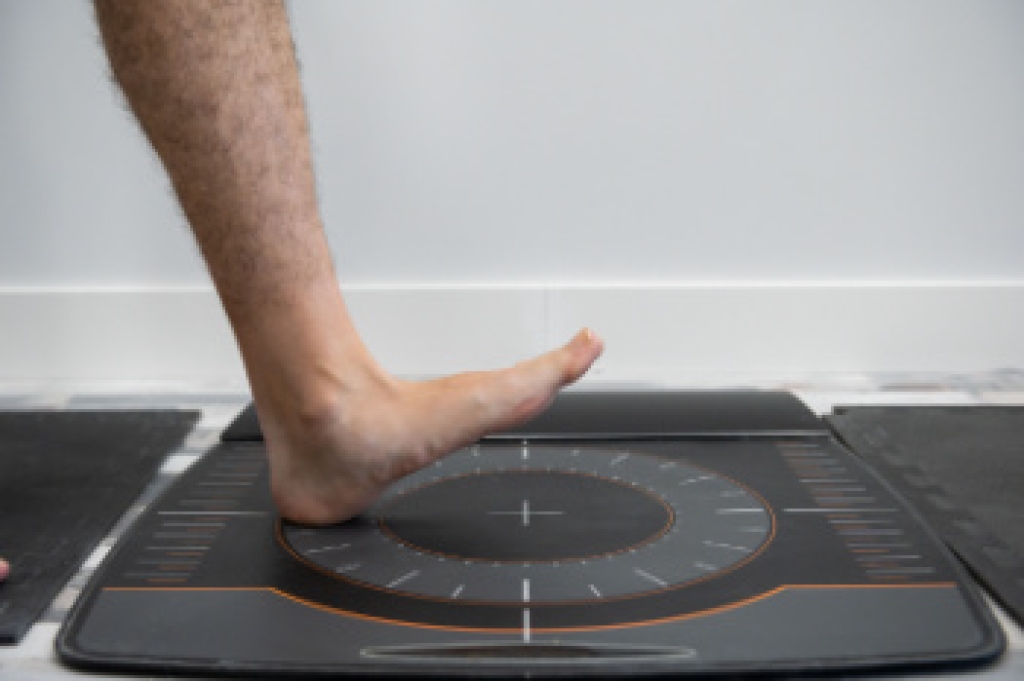
Read more about Biomechanics in Podiatry

It's Time for Beautiful Feet

You don't need an excuse to have beautiful nails. Step outside without worrying about the appearance of your feet.

scroll to top