Same Day Emergency Appointments Available

Changes in the Foot Near the End of Pregnancy

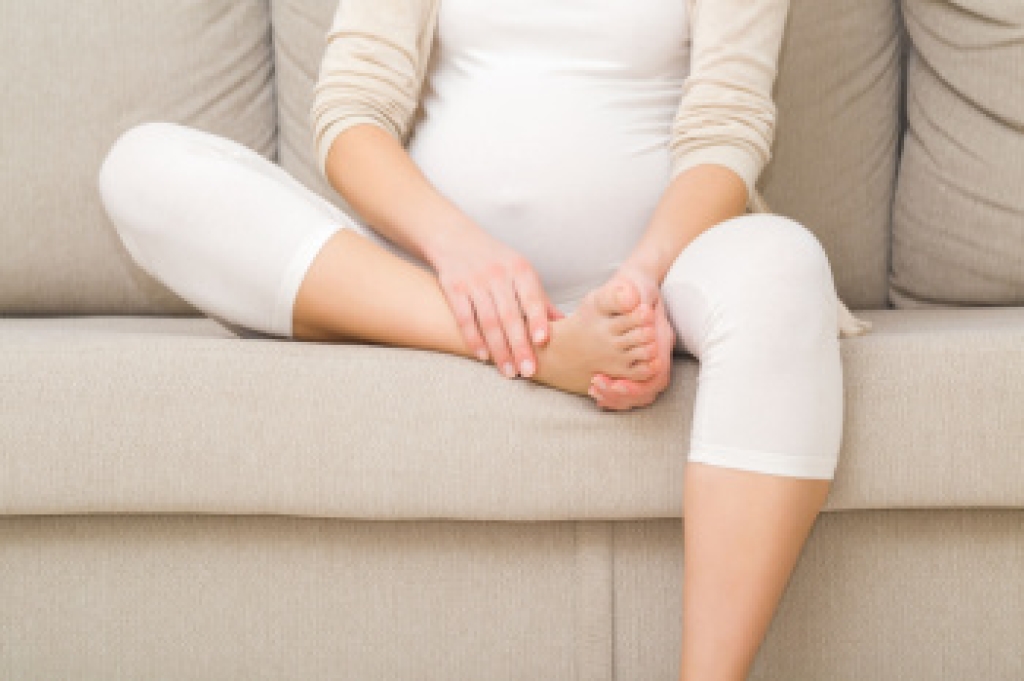
During the third trimester of pregnancy, many women experience structural changes in the feet and arches due to the physical demands of pregnancy. As the body prepares for childbirth, hormonal changes, particularly the increase in the hormone relaxin, cause the ligaments in the feet to loosen and become more flexible. This increased flexibility can lead to a flattening of the arches, a condition known as flat feet. Additionally, the added weight from the growing baby places extra pressure on the feet, leading to discomfort, swelling, and sometimes pain. The feet may widen, and the arch may collapse, making it difficult to wear certain shoes or stand for long periods. To manage these changes, it is important to wear supportive shoes, elevate the feet when possible, and perform gentle foot exercises to improve strength and circulation. If you have foot pain or notice concerning changes in your feet during your pregnancy, it is suggested that you consult a podiatrist who can offer you effective relief tips.

Pregnant women with swollen feet can be treated with a variety of different methods that are readily available. For more information about other cures for swollen feet during pregnancy, consult with one of our podiatrists from Farah Podiatry Associates. Our doctors will attend to all of your foot and ankle needs.

What Foot Problems Can Arise During Pregnancy?

One problem that can occur is overpronation, which occurs when the arch of the foot flattens and tends to roll inward.  This can cause pain and discomfort in your heels while you’re walking or even just standing up, trying to support your baby.  

Another problem is edema, or swelling in the extremities. This often affects the feet during pregnancy but tends to occur in the later stages. 

How Can I Keep My Feet Healthy During Pregnancy?

  • Wearing orthotics can provide extra support for the feet and help distribute weight evenly
  • Minimize the amount of time spent walking barefoot
  • Wear shoes with good arch support
  • Wear shoes that allow for good circulation to the feet
  • Elevate feet if you experience swelling
  • Massage your feet
  • Get regular, light exercise, such as walking, to promote blood circulation to the feet

If you have any questions, please feel free to contact our office located in Trenton, MI . We offer the newest diagnostic and treatment technologies for all your foot care needs.
Read more about Foot Care for Pregnant Women

Cold Feet May Indicate Poor Circulation

Cold feet can be a bothersome sensation, often signaling underlying health issues. One of the primary causes is poor circulation, which may stem from conditions such as peripheral artery disease or diabetes. When blood flow is restricted, the extremities do not receive adequate warmth, leading to a chilling effect in the feet. Other factors contributing to cold feet include anemia, which reduces oxygen supply to tissues, and neuropathy, where nerve damage alters sensation. Environmental factors, such as exposure to cold temperatures, can also play a significant role. Lifestyle choices, including smoking and lack of physical activity, may further cause circulation issues. If you consistently have cold feet, it is suggested that you consult a podiatrist who can determine if poor circulation is the cause, and offer effective relief and treatment methods.

Poor circulation is a serious condition and needs immediate medical attention. If you have any concerns with poor circulation in your feet contact one of our podiatrists of Farah Podiatry Associates. Our doctors will treat your foot and ankle needs.

Poor Circulation in the Feet

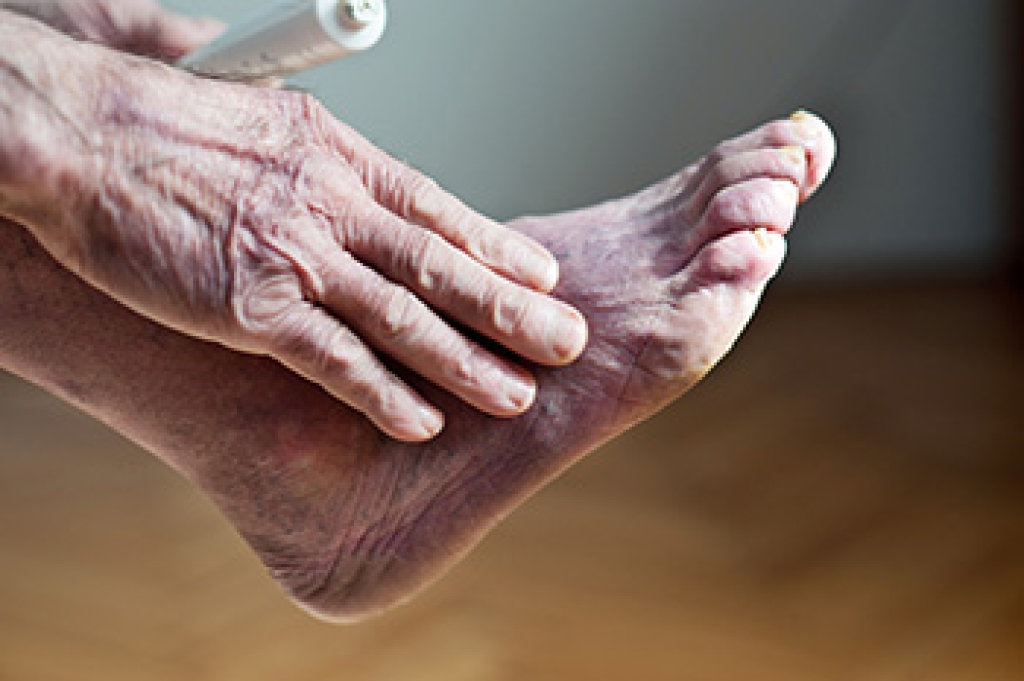
Poor blood circulation in the feet and legs is can be caused by peripheral artery disease (PAD), which is the result of a buildup of plaque in the arteries.

Plaque buildup or atherosclerosis results from excess calcium and cholesterol in the bloodstream. This can restrict the amount of blood which can flow through the arteries. Poor blood circulation in the feet and legs are sometimes caused by inflammation in the blood vessels, known as vasculitis.

Causes

Lack of oxygen and oxygen from poor blood circulation restricts muscle growth and development. It can also cause:

  • Muscle pain, stiffness, or weakness 
  • Numbness or cramping in the legs
  • Skin discoloration
  • Slower nail & hair growth
  • Erectile dysfunction

Those who have diabetes or smoke are at greatest risk for poor circulation, as are those who are over 50. If you have poor circulation in the feet and legs it may be caused by PAD and is important to make changes to your lifestyle in order to reduce risk of getting a heart attack or stroke. Exercise and maintaining a healthy lifestyle will dramatically improve conditions.

As always, see a podiatrist as he or she will assist in finding a regimen that suits you. A podiatrist can also prescribe you any needed medication. 

If you have any questions, please feel free to contact our office located in Trenton, MI . We offer the newest diagnostic and treatment technologies for all your foot care needs.
Read more about Causes Symptoms and Treatment for Poor Circulation in the Feet

Lifestyle Factors May Contribute to Cracked Heels

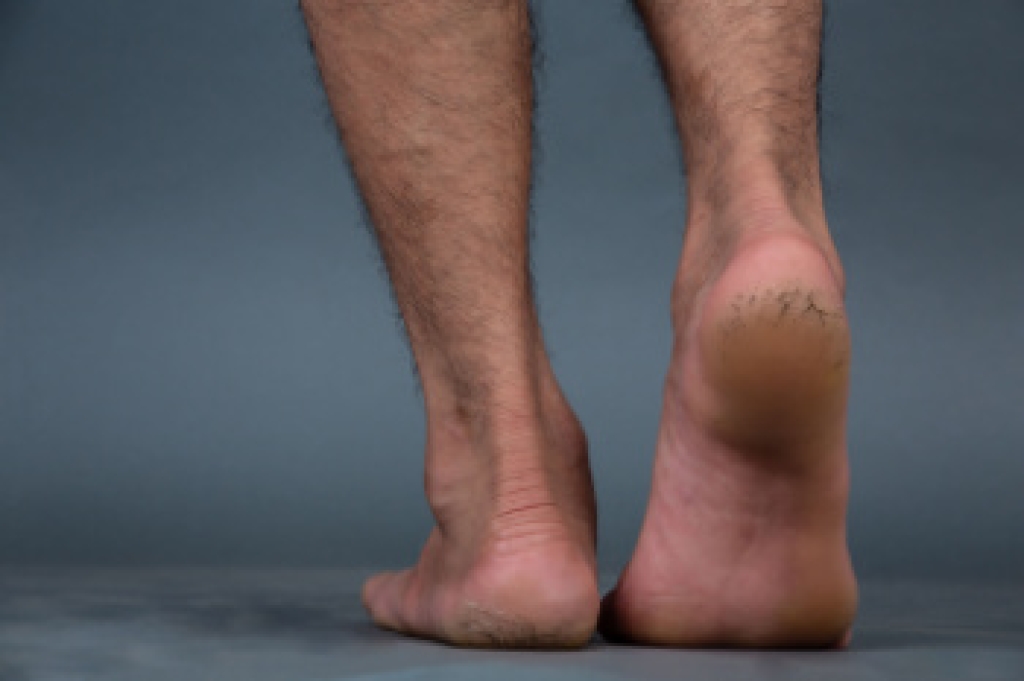
Cracked heels, also known as heel fissures, are a common foot condition characterized by dry, thickened skin that develops cracks at the heel's edge. These fissures can be painful and may lead to further complications if left untreated. The primary causes include skin disorders like eczema and psoriasis, which can cause dryness and irritation. Lifestyle factors also play a significant role, as prolonged standing, walking barefoot, and wearing open-back shoes can contribute to the development of cracked heels. Additionally, environmental conditions like low humidity and excessive exposure to water can strip the skin of its natural moisture. Proper foot care, including regular moisturizing and wearing supportive shoes, is essential for preventing cracked heels, ensuring healthy and comfortable feet. Cracked heels can cause severe pain, and it may be difficult to complete daily activities. If you have developed this condition, it is suggested that you contact a podiatrist who can offer you prescribed medication for effective treatment.

If the skin on your feet starts to crack, you may want to see a podiatrist to find treatment. If you have any concerns, contact one of our podiatrists from Farah Podiatry Associates. Our doctors can provide the care you need to keep you pain-free and on your feet.

Cracked Heels

It is important to moisturize your cracked heels in order to prevent pain, bleeding, and infection. The reason cracked heels form is because the skin on the foot is too dry to support the immense pressure placed on them. When the foot expands, the dry skin on the foot begins to split.

Ways to Help Heal Them

  • Invest in a good foot cream
  • Try Using Petroleum Jelly
  • Ease up on Soaps
  • Drink Plenty of Water

Ways to Prevent Cracked Heels

  • Moisturize After Showering
  • Skip a Shower
  • Keep Shower Water Lukewarm
  • Don’t Scrub Your Feet

If you are unsure how to proceed in treating cracked heels, seek guidance from a podiatrist. Your doctor will help you with any questions or information you may need. 

If you have any questions, please feel free to contact our office located in Trenton, MI . We offer the newest diagnostic and treatment technologies for all your foot care needs.
Read more about Solutions for Cracked Heels

Causes of Swollen Toes

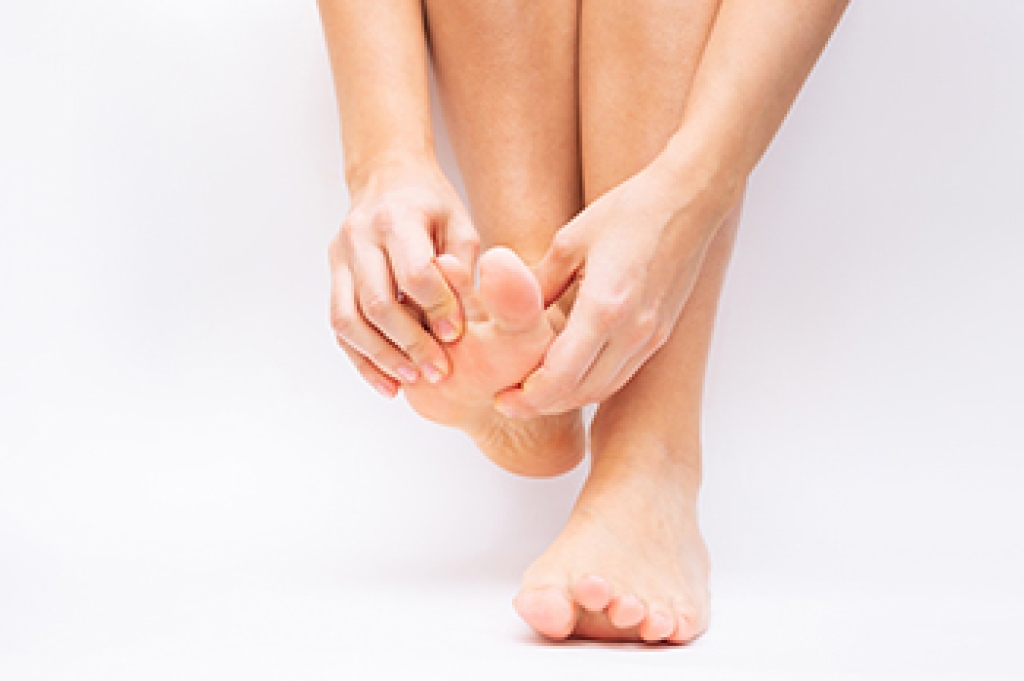
A swollen toe can be a concerning symptom that may arise from various underlying causes. It often occurs when fluid accumulates in the tissues, leading to inflammation. One common cause is an injury, such as a fracture or sprain, which can result in swelling as the body responds to trauma. Infections, such as cellulitis or ingrown toenails, can also lead to localized swelling accompanied by redness and pain. Additionally, conditions like gout, characterized by the buildup of uric acid crystals, can cause significant swelling and pain in the big toe. Other factors, such as arthritis, venous insufficiency, or allergic reactions, may contribute to toe swelling as well. If your toe has become swollen and painful, it is suggested that you contact a podiatrist who can determine what the reason is, and offer appropriate treatment solutions.

Toe pain can disrupt your daily activities. If you have any concerns, contact one of our podiatrists of Farah Podiatry Associates. Our doctors can provide the care you need to keep you pain-free and on your feet.

What Causes Toe Pain?

Most severe toe pain is caused due to a sports injury, trauma from dropping something heavy on the toe, or bumping into something rigid. Other problems can develop over time for various reasons.

Toe pain can be caused by one or more ailments. The most common include:

  • Trauma
  • Sports injury
  • Wearing shoes that are too tight
  • Arthritis
  • Gout
  • Corns and calluses
  • Hammertoe
  • Bunions
  • Blisters
  • Ingrown toenails
  • Sprains
  • Fractures (broken bones)
  • Dislocations

When to See a Podiatrist

  • Severe pain
  • Persistent pain that lasts more than a week
  • Signs of infection
  • Continued swelling
  • Pain that prevents walking

Diagnosis

In many cases the cause of toe pain is obvious, but in others, a podiatrist may want to use more advanced methods to determine the problem. These can range from simple visual inspections and sensation tests to X-rays and MRI scans. Prior medical history, family medical history, and any recent physical traumatic events will all be taken into consideration for a proper diagnosis.

Treatment

Treatments for toe pain and injuries vary and may include shoe inserts, padding, taping, medicines, injections, and in some cases, surgery. If you believe that you have broken a toe, please see a podiatrist as soon as possible.

If you have any questions please contact our office located in Trenton, MI . We offer the newest diagnostic and treatment technologies for all your foot and ankle needs.

Read more about Toe Pain

Gout Pain Can Be Managed

Gout is a painful, inflammatory form of arthritis. Those affected will typically feel an intense stiffness in the joints of their feet, particularly in the big toe. Schedule a visit to learn about how gout can be managed and treated.

scroll to top