Same Day Emergency Appointments Available

Podiatric Care for Ankle Sprains

An ankle sprain occurs when the ligaments that support the ankle stretch or tear, usually due to sudden twisting or rolling of the foot. Inversion sprains happen when the foot rolls inward, affecting the outer ligaments, while eversion sprains involve the foot rolling outward, impacting the inner ligaments. Common causes include sports injuries, uneven surfaces, or missteps. Symptoms include pain, swelling, bruising, and limited mobility. Among the risk factors are poor footwear, weak ankle muscles, and previous sprains. A podiatrist can assess the severity of the sprain, provide imaging, if needed, and develop a treatment plan that may include rest, bracing, or specific stretches and exercises. If you experience ankle pain or instability, it is suggested that you consult a podiatrist for expert care and recovery guidance.

Ankle sprains are common but need immediate attention. If you need your feet checked, contact one of our podiatrists from Farah Podiatry Associates. Our doctors can provide the care you need to keep you pain-free and on your feet.

How Does an Ankle Sprain Occur?

Ankle sprains take place when the ligaments in your ankle are torn or stretched beyond their limits. There are multiple ways that the ankle can become injured, including twisting or rolling over onto your ankle, putting undue stress on it, or causing trauma to the ankle itself.

What Are the Symptoms?

  • Mild to moderate bruising
  • Limited mobility
  • Swelling
  • Discoloration of the skin (depending on severity)

Preventing a Sprain

  • Wearing appropriate shoes for the occasion
  • Stretching before exercises and sports
  • Knowing your limits

Treatment of a Sprain

Treatment of a sprain depends on the severity.  Many times, people are told to rest and remain off their feet completely, while others are given an air cast. If the sprain is very severe, surgery may be required.

If you have suffered an ankle sprain previously, you may want to consider additional support such as a brace and regular exercises to strengthen the ankle.

If you have any questions please feel free to contact our office located in Trenton, MI . We offer the newest diagnostic tools and technology to treat your foot and ankle needs.

Read more about Ankle Sprains

Ankle Pain in Cyclists and the Role of Podiatric Care

Ankle pain while cycling can stem from overuse, improper technique, or equipment issues. A common technique once believed to enhance performance, known as ankling, encouraged exaggerated ankle motion but is now understood to increase strain without significant benefit. Wearing ill-fitting shoes, poorly aligned cleats, or using pedals that lack support can also contribute to discomfort. Starting with intense rides too quickly may overload the joints and soft tissues. A podiatrist can assess foot and ankle alignment, recommend proper footwear or orthotics, and offer strategies to prevent injury. If ankle pain is interfering with your cycling goals, it is suggested that you consult a podiatrist for a thorough evaluation and personalized plan to support comfort and performance.

Sports related foot and ankle injuries require proper treatment before players can go back to their regular routines. For more information, contact one of our podiatrists of Farah Podiatry Associates. Our doctors can provide the care you need to keep you pain-free and on your feet.

Sports Related Foot and Ankle Injuries

Foot and ankle injuries are a common occurrence when it comes to athletes of any sport. While many athletes dismiss the initial aches and pains, the truth is that ignoring potential foot and ankle injuries can lead to serious problems. As athletes continue to place pressure and strain the area further, a mild injury can turn into something as serious as a rupture and may lead to a permanent disability. There are many factors that contribute to sports related foot and ankle injuries, which include failure to warm up properly, not providing support or wearing bad footwear. Common injuries and conditions athletes face, including:

  • Plantar Fasciitis
  • Achilles Tendinitis
  • Achilles Tendon Rupture
  • Ankle Sprains

Sports related injuries are commonly treated using the RICE method. This includes rest, applying ice to the injured area, compression and elevating the ankle. More serious sprains and injuries may require surgery, which could include arthroscopic and reconstructive surgery. Rehabilitation and therapy may also be required in order to get any recovering athlete to become fully functional again. Any unusual aches and pains an athlete sustains must be evaluated by a licensed, reputable medical professional.

If you have any questions please contact our office located in Trenton, MI . We offer the newest diagnostic and treatment technologies for all your foot and ankle needs.

Read more about Sports Related Foot And Ankle Injuries

What Is Sesamoiditis?

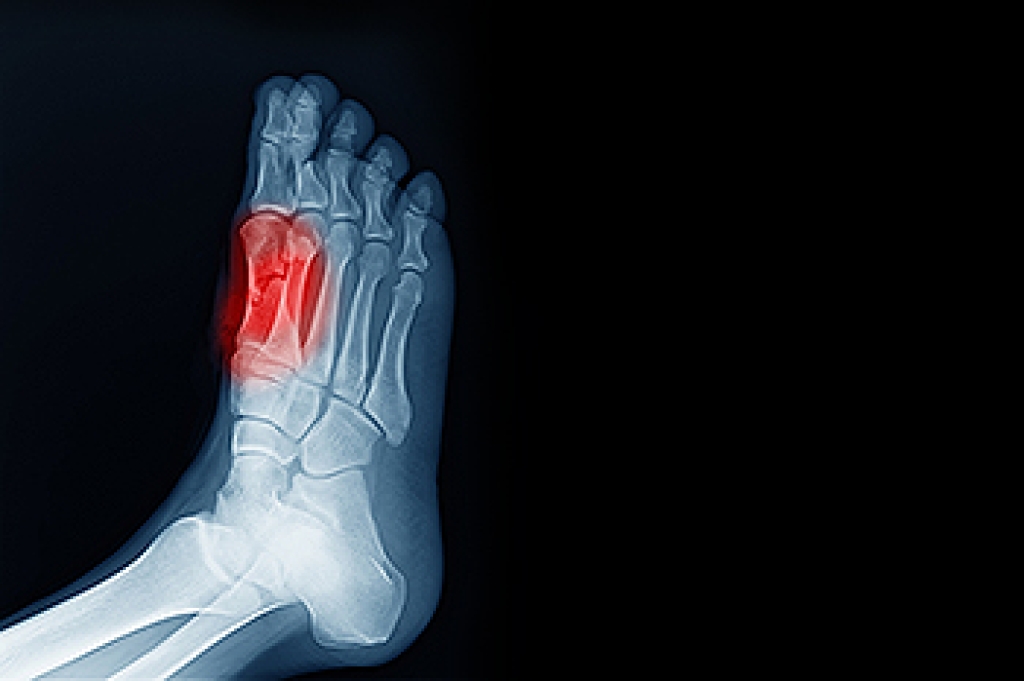
Sesamoiditis is a painful condition involving inflammation of the sesamoid bones, two small bones located beneath the big toe joint. These bones help with movement and bear weight during walking and running. Sesamoiditis is usually caused by repetitive stress, high-impact activities, or wearing shoes that do not provide enough support. Symptoms include pain under the big toe, swelling, bruising, and difficulty bending or straightening the toe. Risk factors include participating in sports like running or dancing, having high arches, or spending long hours on hard surfaces. A podiatrist can diagnose sesamoiditis through examination and imaging, then recommend treatments such as rest, footwear changes, custom orthotics, and stretching exercises to reduce pain and promote healing. If you have pain in this part of your foot, it is suggested that you contact a podiatrist who can accurately diagnose the problem, and offer appropriate relief and treatment solutions.

Sesamoiditis is an unpleasant foot condition characterized by pain in the balls of the feet. If you think you’re struggling with sesamoiditis, contact one of our podiatrists of Farah Podiatry Associates. Our doctors will treat your condition thoroughly and effectively.

Sesamoiditis

Sesamoiditis is a condition of the foot that affects the ball of the foot. It is more common in younger people than it is in older people. It can also occur with people who have begun a new exercise program, since their bodies are adjusting to the new physical regimen. Pain may also be caused by the inflammation of tendons surrounding the bones. It is important to seek treatment in its early stages because if you ignore the pain, this condition can lead to more serious problems such as severe irritation and bone fractures.

Causes of Sesamoiditis

  • Sudden increase in activity
  • Increase in physically strenuous movement without a proper warm up or build up
  • Foot structure: those who have smaller, bonier feet or those with a high arch may be more susceptible

Treatment for sesamoiditis is non-invasive and simple. Doctors may recommend a strict rest period where the patient forgoes most physical activity. This will help give the patient time to heal their feet through limited activity. For serious cases, it is best to speak with your doctor to determine a treatment option that will help your specific needs.

If you have any questions, please feel free to contact our office located in Trenton, MI . We offer the newest diagnostic and treatment technologies for all your foot care needs.

Read more about Sesamoiditis

Caring for a Cut on the Bottom of the Foot

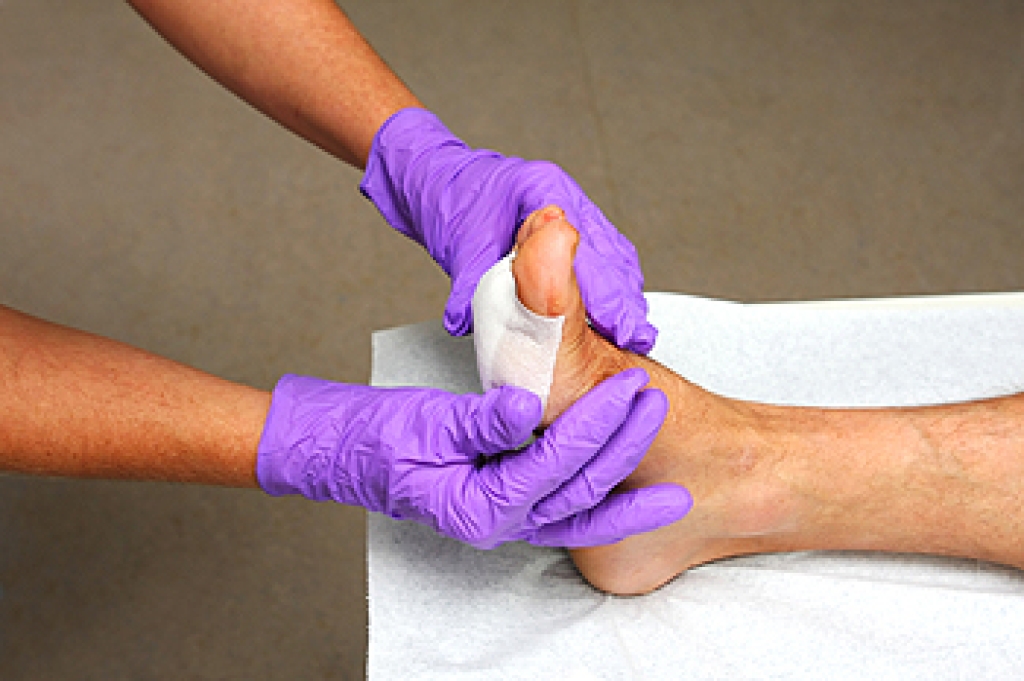
A cut on the bottom of the foot requires prompt and careful attention from a podiatrist to prevent infection and promote healing. This begins by gently cleaning the area with warm water and mild soap to remove dirt and debris. After the wound is cleaned, it is inspected for signs of foreign objects, excessive bleeding, or indicators of infection such as redness or swelling. The area is kept dry and covered with a clean dressing can support healing. Avoid walking barefoot to prevent further injury. If the cut is deep, painful, or not healing properly, it is strongly suggested that you schedule an immediate appointment with a podiatrist who can ensure the foot wound heals correctly and helps prevent complications that could affect mobility and overall foot health.

Wound care is an important part in dealing with diabetes. If you have diabetes and a foot wound or would like more information about wound care for diabetics, consult with one of our podiatrists from Farah Podiatry Associates. Our doctors will assess your condition and provide you with quality foot and ankle treatment.

What Is Wound Care?

Wound care is the practice of taking proper care of a wound. This can range from the smallest to the largest of wounds. While everyone can benefit from proper wound care, it is much more important for diabetics. Diabetics often suffer from poor blood circulation which causes wounds to heal much slower than they would in a non-diabetic. 

What Is the Importance of Wound Care?

While it may not seem apparent with small ulcers on the foot, for diabetics, any size ulcer can become infected. Diabetics often also suffer from neuropathy, or nerve loss. This means they might not even feel when they have an ulcer on their foot. If the wound becomes severely infected, amputation may be necessary. Therefore, it is of the upmost importance to properly care for any and all foot wounds.

How to Care for Wounds

The best way to care for foot wounds is to prevent them. For diabetics, this means daily inspections of the feet for any signs of abnormalities or ulcers. It is also recommended to see a podiatrist several times a year for a foot inspection. If you do have an ulcer, run the wound under water to clear dirt from the wound; then apply antibiotic ointment to the wound and cover with a bandage. Bandages should be changed daily and keeping pressure off the wound is smart. It is advised to see a podiatrist, who can keep an eye on it.

If you have any questions please contact our office located in Trenton, MI . We offer the newest diagnostic and treatment technologies for all your foot and ankle needs.

Read more about Wound Care

Wounds That Don't Heal Need to Be Checked

Your feet are covered most of the day. If you're diabetic, periodic screening is important for good health. Numbness is often a sign of diabetic foot and can mask a sore or wound.

scroll to top