Same Day Emergency Appointments Available

Managing Gout With Ongoing Treatment

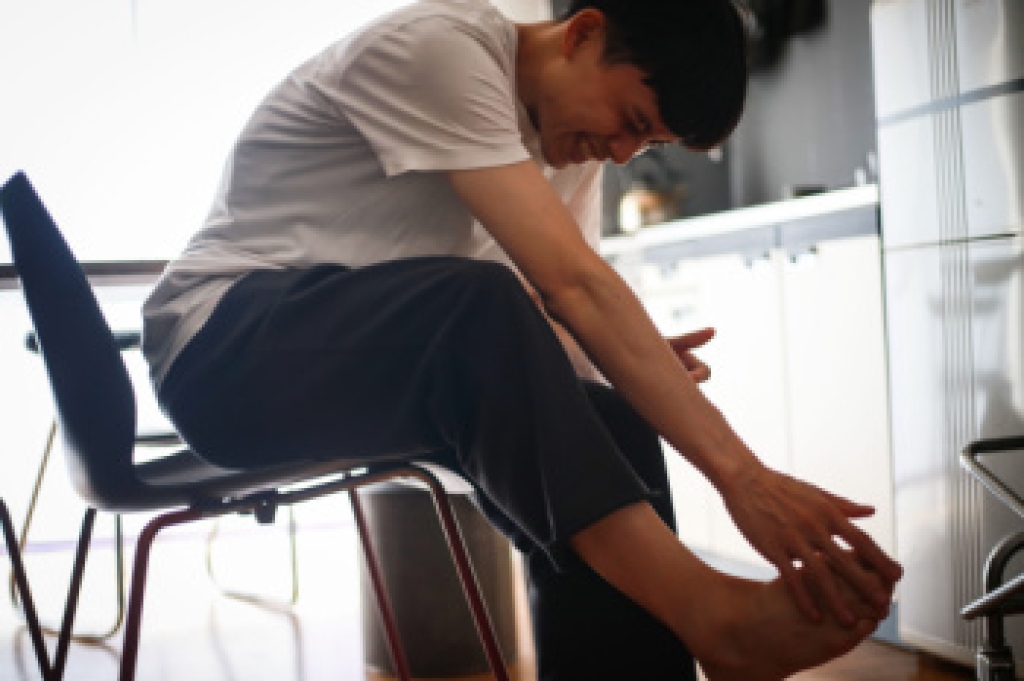
Gout is a chronic inflammatory form of arthritis that often affects the joints of the feet, particularly the big toe. During a gout flare-up, the affected joint may become intensely painful, swollen, and red due to the buildup of uric acid crystals. While there is no cure for gout, medical treatment can help reduce the frequency and intensity of flare-ups and limit joint damage. A podiatrist can diagnose gout and recommend treatment options that lower uric acid levels and manage inflammation. These may include medication that reduces pain and swelling, as well as long-term prescriptions aimed at preventing recurrences. Without proper treatment, gout may lead to joint deformity or permanent damage in the feet or ankles. Timely care from a podiatrist can shorten flare-ups, which typically peak within 24 hours and may last several days. If you suffer from flare-ups of gout, it is suggested that you schedule regular appointments with a podiatrist for ongoing treatment.

Gout is a painful condition that can be treated. If you are seeking treatment, contact one of our podiatrists from Farah Podiatry Associates. Our doctors will treat your foot and ankle needs.

What Is Gout?

Gout is a form of arthritis that is characterized by sudden, severe attacks of pain, redness, and tenderness in the joints. The condition usually affects the joint at the base of the big toe. A gout attack can occur at any random time, such as the middle of the night while you are asleep.

Symptoms

  • Intense Joint Pain - Usually around the large joint of your big toe, and it most severe within the first four to twelve hours
  • Lingering Discomfort - Joint discomfort may last from a few days to a few weeks
  • Inflammation and Redness -Affected joints may become swollen, tender, warm and red
  • Limited Range of Motion - May experience a decrease in joint mobility

Risk Factors

  • Genetics - If family members have gout, you’re more likely to have it
  • Medications - Diuretic medications can raise uric acid levels
  • Gender/Age - Gout is more common in men until the age of 60. It is believed that estrogen protects women until that point
  • Diet - Eating red meat and shellfish increases your risk
  • Alcohol - Having more than two alcoholic drinks per day increases your risk
  • Obesity - Obese people are at a higher risk for gout

Prior to visiting your podiatrist to receive treatment for gout, there are a few things you should do beforehand. If you have gout you should write down your symptoms--including when they started and how often you experience them, important medical information you may have, and any questions you may have. Writing down these three things will help your podiatrist in assessing your specific situation so that he or she may provide the best route of treatment for you.

If you have any questions, please feel free to contact our office located in Trenton, MI . We offer the newest diagnostic and treatment technologies for all your foot care needs.

Read more about Everything You Need to Know About Gout

Symptoms and Treatment of Athlete's Foot

Athlete's foot is a fungal infection that affects the skin on the feet, especially between the toes. Athlete’s foot can happen to anyone, not just athletes. Symptoms may include itchy, white or scaly patches, redness, or skin that cracks and becomes sore. In some cases, blisters may appear, and the infection can spread to the soles or toenails. If left untreated, the infection can worsen or spread to other parts of the foot. A podiatrist can diagnose athlete's foot through a physical exam and may take a skin sample, if needed. Depending on the severity, a podiatrist may prescribe medicated creams, antifungal tablets, or, in rare cases, surgery if the infection affects deeper tissue or the nails. If you have an athlete's foot infection, it is suggested that you schedule an appointment with a podiatrist for immediate treatment.

Athlete’s Foot

Athlete’s foot is often an uncomfortable condition to experience. Thankfully, podiatrists specialize in treating athlete’s foot and offer the best treatment options. If you have any questions about athlete’s foot, consult with one of our podiatrists from Farah Podiatry Associates. Our doctors will assess your condition and provide you with quality treatment.

What Is Athlete’s Foot?

Tinea pedis, more commonly known as athlete’s foot, is a non-serious and common fungal infection of the foot. Athlete’s foot is contagious and can be contracted by touching someone who has it or infected surfaces. The most common places contaminated by it are public showers, locker rooms, and swimming pools. Once contracted, it grows on feet that are left inside moist, dark, and warm shoes and socks.

Prevention

The most effective ways to prevent athlete’s foot include:

  • Thoroughly washing and drying feet
  • Avoid going barefoot in locker rooms and public showers
  • Using shower shoes in public showers
  • Wearing socks that allow the feet to breathe
  • Changing socks and shoes frequently if you sweat a lot

Symptoms

Athlete’s foot initially occurs as a rash between the toes. However, if left undiagnosed, it can spread to the sides and bottom of the feet, toenails, and if touched by hand, the hands themselves. Symptoms include:

  • Redness
  • Burning
  • Itching
  • Scaly and peeling skin

Diagnosis and Treatment

Diagnosis is quick and easy. Skin samples will be taken and either viewed under a microscope or sent to a lab for testing. Sometimes, a podiatrist can diagnose it based on simply looking at it. Once confirmed, treatment options include oral and topical antifungal medications.

If you have any questions, please feel free to contact our office located in Trenton, MI . We offer the newest diagnostic and treatment technologies for all your foot care needs.

Read more about How to Deal with Athlete's Foot

When Fungus Takes Over Your Toenail

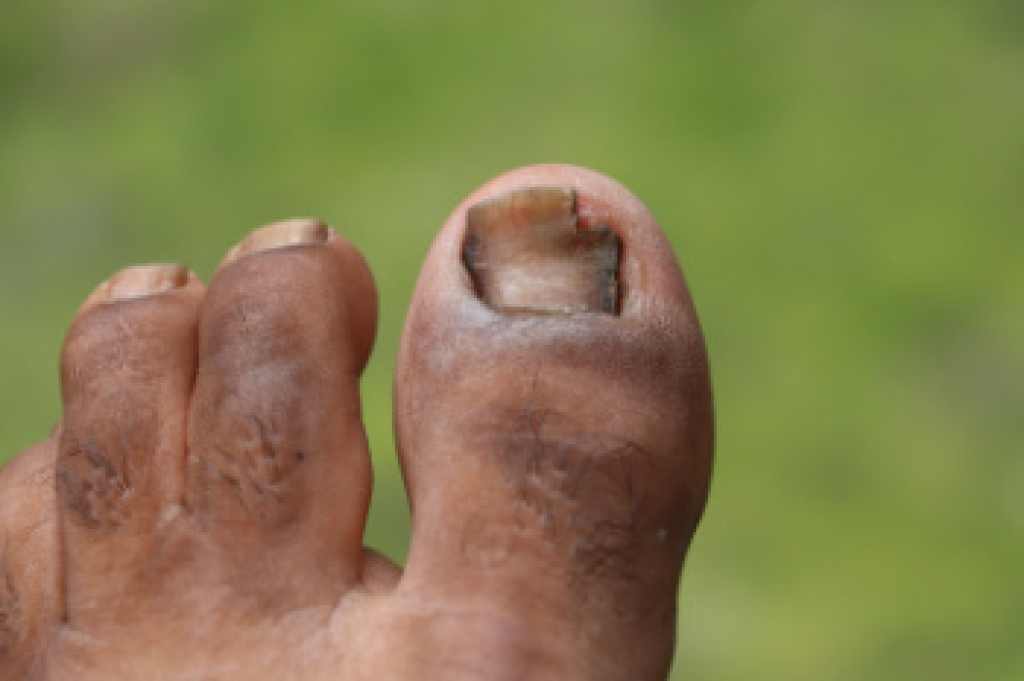
Toenail fungus often starts as a small change in color or texture. The nail may look yellow, white or brown, and become thick, brittle, or crumbly over time. It can spread to other nails and may cause odor or discomfort. Fungal infections thrive in warm, moist places such as sweaty shoes or public showers. Early treatment can stop it from getting worse. Creams may help in mild cases, but deeper infections often need prescription medication. Keeping nails trimmed, dry, and clean helps prevent infection. Avoid walking barefoot in shared spaces and change socks often. Toenail fungus rarely goes away on its own. If your nail is changing in appearance or causing discomfort, it is suggested you see a podiatrist for professional treatment.

For more information about treatment, contact one of our podiatrists of Farah Podiatry Associates. Our doctors can provide the care you need to keep you pain-free and on your feet.

Toenail Fungus Treatment

Toenail fungus is a condition that affects many people and can be especially hard to get rid of. Fortunately, there are several methods to go about treating and avoiding it.

Antifungals & Deterrence

Oral antifungal medicine has been shown to be effective in many cases. It is important to consult with a podiatrist to determine the proper regiment for you, or potentially explore other options.

Applying foot powder on the feet and shoes helps keep the feet free of moisture and sweat.

Sandals or open toed shoes – Wearing these will allow air movement and help keep feet dry. They also expose your feet to light, which fungus cannot tolerate. Socks with moisture wicking material also help as well.

If you have any questions please contact our office located in Trenton, MI . We offer the newest diagnostic and treatment technologies for all your foot and ankle needs.

Read more about How to Treat Your Toenail Fungus

Recognizing Signs of Healing From Plantar Fasciitis

Plantar fasciitis is a common condition characterized by inflammation of the plantar fascia, the thick band of tissue that runs from the heel bone to the toes. Plantar fasciitis typically causes sharp heel pain, especially with the first steps in the morning. Relief can begin with performing specific stretches that target the plantar fascia, such as rolling the foot on a tennis ball. Additionally, wearing supportive footwear or orthotics may accelerate the healing process.  As recovery progresses, patients often notice that mornings become easier because increased blood flow and reduced overnight pressure help relieve stiffness. Pain that was once widespread may become more localized, signaling that inflammation is decreasing. Another important sign of recovery is the return of range of motion in the foot and ankle, allowing for more comfortable walking and movement. Plantar fasciitis can cause extreme pain and discomfort, often causing difficulty in completing daily activities. If you have this condition, it is suggested that you are under the care of a podiatrist who can begin the necessary treatment as you look forward to signs of recovery.

Plantar fasciitis is a common foot condition that is often caused by a strain injury. If you are experiencing heel pain or symptoms of plantar fasciitis, contact one of our podiatrists from Farah Podiatry Associates. Our doctors can provide the care you need to keep you pain-free and on your feet.

What Is Plantar Fasciitis?

Plantar fasciitis is one of the most common causes of heel pain. The plantar fascia is a ligament that connects your heel to the front of your foot. When this ligament becomes inflamed, plantar fasciitis is the result. If you have plantar fasciitis you will have a stabbing pain that usually occurs with your first steps in the morning. As the day progresses and you walk around more, this pain will start to disappear, but it will return after long periods of standing or sitting.

What Causes Plantar Fasciitis?

  • Excessive running
  • Having high arches in your feet
  • Other foot issues such as flat feet
  • Pregnancy (due to the sudden weight gain)
  • Being on your feet very often

There are some risk factors that may make you more likely to develop plantar fasciitis compared to others. The condition most commonly affects adults between the ages of 40 and 60. It also tends to affect people who are obese because the extra pounds result in extra stress being placed on the plantar fascia.

Prevention

  • Take good care of your feet – Wear shoes that have good arch support and heel cushioning.
  • Maintain a healthy weight
  • If you are a runner, alternate running with other sports that won’t cause heel pain

There are a variety of treatment options available for plantar fasciitis along with the pain that accompanies it. Additionally, physical therapy is a very important component in the treatment process. It is important that you meet with your podiatrist to determine which treatment option is best for you.

If you have any questions, please feel free to contact our office located in Trenton, MI . We offer the newest diagnostic and treatment technologies for all your foot care needs.

 

Read more about Plantar Fasciitis

It's Time for Beautiful Feet

You don't need an excuse to have beautiful nails. Step outside without worrying about the appearance of your feet.

scroll to top