Same Day Emergency Appointments Available

Taking Care of Your Diabetic Feet

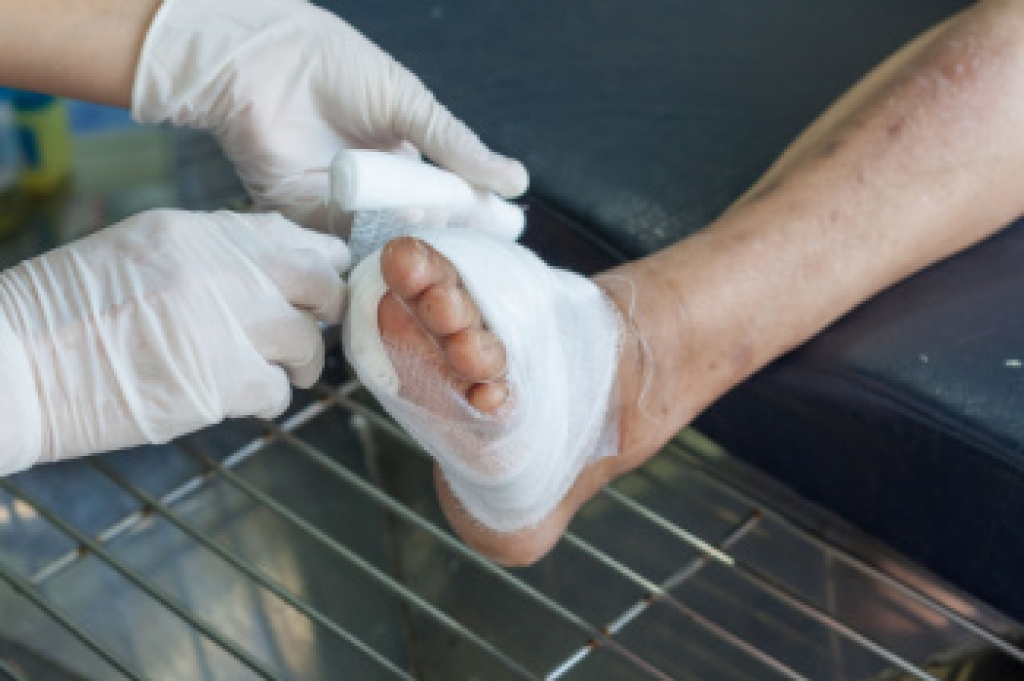
Diabetic foot care is essential for anyone with diabetes, as high blood sugar can lead to nerve damage, called neuropathy, and poor circulation. These issues make it harder to feel injuries or detect infections, which can lead to serious complications, if untreated. Symptoms include numbness, tingling, or a burning sensation in the feet. You might also notice cuts, blisters, or ulcers that heal slowly, along with swelling or redness. If left untreated, infections can worsen, leading to more severe conditions, including limb loss. To prevent complications, daily foot inspections are critical. It is important to look for cuts, sores, or swelling. Keep your feet clean and dry, wear properly fitted shoes, and avoid tight socks. Controlling your blood sugar and avoiding smoking can improve circulation. A podiatrist can help with regular foot exams and early detection of wounds or ulcers. This foot doctor also can provide treatment for existing issues like wound care or prescribe custom orthotics for better foot alignment. For comprehensive diabetic foot care, it is suggested that you schedule an appointment with a podiatrist.

Diabetic foot care is important in preventing foot ailments such as ulcers. If you are suffering from diabetes or have any other concerns about your feet, contact one of our podiatrists from Farah Podiatry Associates. Our doctors can provide the care you need to keep you pain-free and on your feet.

Diabetic Foot Care

Diabetes affects millions of people every year. The condition can damage blood vessels in many parts of the body, especially the feet. Because of this, taking care of your feet is essential if you have diabetes, and having a podiatrist help monitor your foot health is highly recommended.

The Importance of Caring for Your Feet

  • Routinely inspect your feet for bruises or sores.
  • Wear socks that fit your feet comfortably.
  • Wear comfortable shoes that provide adequate support.

Patients with diabetes should have their doctor monitor their blood levels, as blood sugar levels play such a huge role in diabetic care. Monitoring these levels on a regular basis is highly advised.

It is always best to inform your healthcare professional of any concerns you may have regarding your feet, especially for diabetic patients. Early treatment and routine foot examinations are keys to maintaining proper health, especially because severe complications can arise if proper treatment is not applied.

If you have any questions, please feel free to contact our office located in Trenton, MI . We offer the newest diagnostic and treatment technologies for all your foot care needs.
Read more about How to Care for Diabetic Foot

Preventing Falls in Seniors

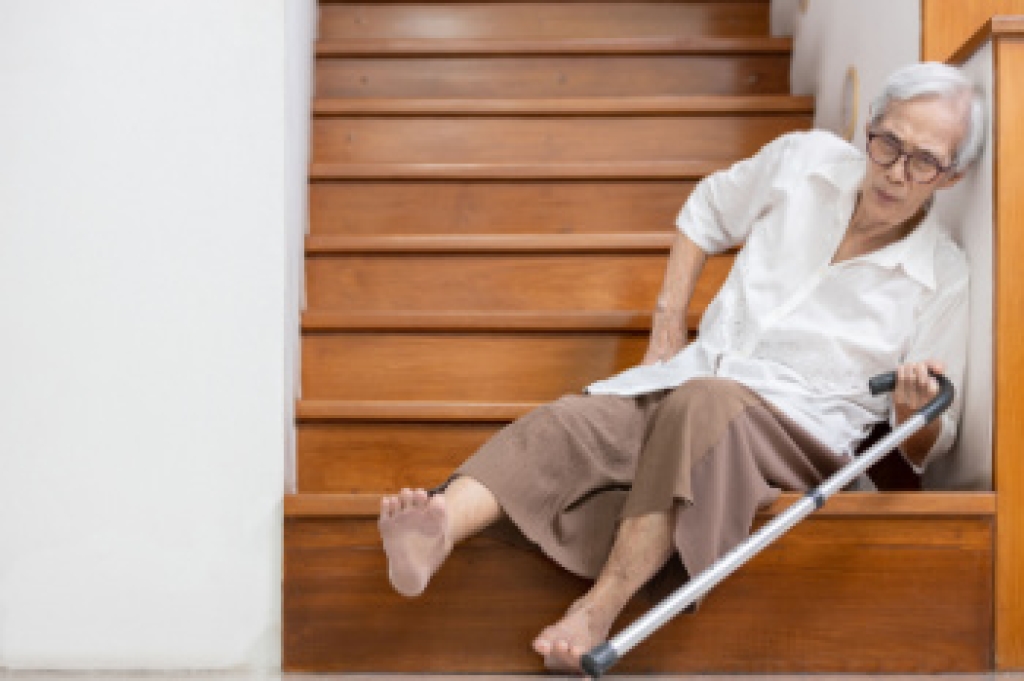
Falls pose a significant threat to the health of seniors, often leading to serious injuries such as fractures or head trauma. The risk of falling increases as balance and coordination naturally decline with age, making it harder for older adults to move safely. In addition to physical changes, issues like poor vision or medication side effects can contribute to the risk of falls. That is why it is vital for seniors to have regular eye exams to ensure their vision is sharp and clear. Properly correcting vision can significantly reduce the chances of missteps or accidents. Maintaining good balance through exercises like tai chi or strength training can also improve stability and reduce the risk of falls. In the home, removing clutter and installing safety features such as grab bars can further enhance safety. Falling can seriously impact foot health. If this has happened to you, it is suggested that you consult a podiatrist who can offer effective relief and treatment tips, and guide you on additional fall prevention techniques.

Preventing falls among the elderly is very important. If you are older and have fallen or fear that you are prone to falling, consult with one of our podiatrists from Farah Podiatry Associates. Our doctors will assess your condition and provide you with quality advice and care.

Every 11 seconds, an elderly American is being treated in an emergency room for a fall related injury. Falls are the leading cause of head and hip injuries for those 65 and older. Due to decreases in strength, balance, senses, and lack of awareness, elderly persons are very susceptible to falling. Thankfully, there are a number of things older persons can do to prevent falls.

How to Prevent Falls

Some effective methods that older persons can do to prevent falls include:

  • Enrolling in strength and balance exercise program to increase balance and strength
  • Periodically having your sight and hearing checked
  • Discuss any medications you have with a doctor to see if it increases the risk of falling
  • Clearing the house of falling hazards and installing devices like grab bars and railings
  • Utilizing a walker or cane
  • Wearing shoes that provide good support and cushioning
  • Talking to family members about falling and increasing awareness

Falling can be a traumatic and embarrassing experience for elderly persons; this can make them less willing to leave the house, and less willing to talk to someone about their fears of falling. Doing such things, however, will increase the likelihood of tripping or losing one’s balance. Knowing the causes of falling and how to prevent them is the best way to mitigate the risk of serious injury.  

If you have any questions, please feel free to contact our office located in Trenton, MI . We offer the newest diagnostic and treatment technologies for all your foot care needs.
Read more about Falls Prevention

Living With Sweaty Feet

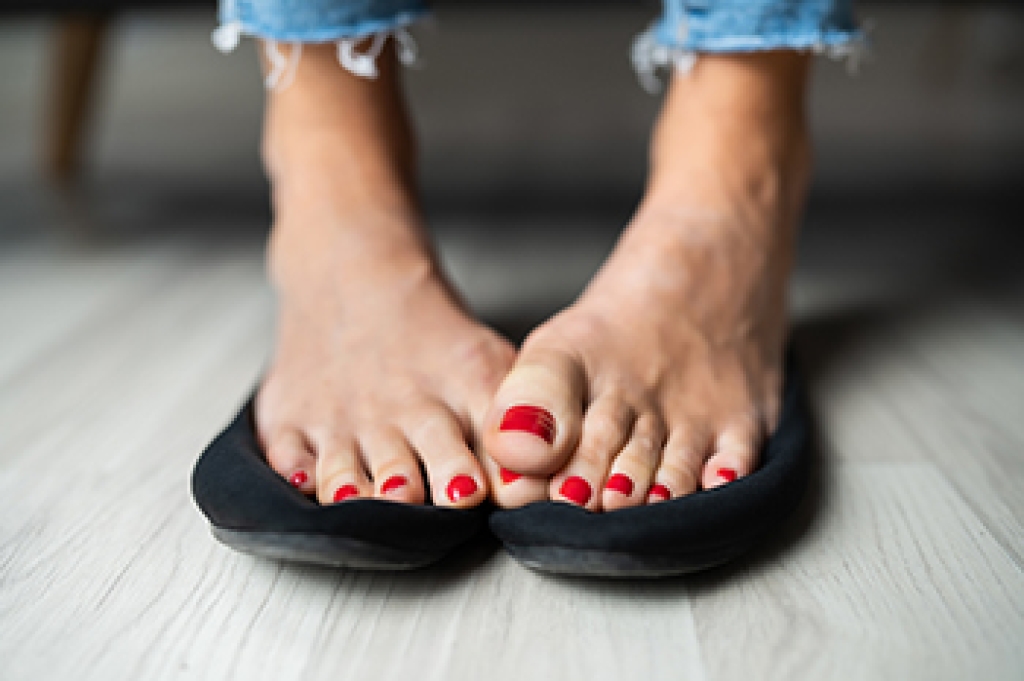
Hyperhidrosis of the feet, or plantar hyperhidrosis, is a condition characterized by excessive sweating, often unrelated to temperature or activity. This persistent moisture can lead to discomfort, foot odor, and an increased risk of fungal infections, such as athlete's foot. It may also cause skin softening, making the feet prone to blisters and sores. Living with hyperhidrosis can significantly impact the quality of life. People may feel self-conscious about the condition, avoiding activities like removing shoes in public or wearing open-toed footwear. The constant dampness can also compromise shoe longevity and lead to slipping or reduced stability during physical activities. Treatments include antiperspirants, oral medications, and more innovative techniques to reduce sweat production. If hyperhidrosis is affecting your daily life, it is suggested that you see a podiatrist to explore effective solutions and regain confidence.

If you are suffering from hyperhidrosis contact one of our podiatrists of Farah Podiatry Associates. Our doctors can provide the care you need to attend to all of your foot and ankle needs.

Hyperhidrosis of the Feet

Hyperhidrosis is a rare disorder that can cause people to have excessive sweating of their feet. This can usually occur all on its own without rigorous activity involved. People who suffer from hyperhidrosis may also experience sweaty palms.

Although it is said that sweating is a healthy process meant to cool down the body temperature and to maintain a proper internal temperature, hyperhidrosis may prove to be a huge hindrance on a person’s everyday life.

Plantar hyperhidrosis is considered to be the main form of hyperhidrosis. Secondary hyperhidrosis can refer to sweating that occurs in areas other than the feet or hands and armpits. Often this may be a sign of it being related to another medical condition such as menopause, hyperthyroidism and even Parkinson’s disease.

In order to alleviate this condition, it is important to see your doctor so that they may prescribe the necessary medications so that you can begin to live a normal life again. If this is left untreated, it is said that it will persist throughout an individual’s life.

A last resort approach would be surgery, but it is best to speak with your doctor to find out what may be the best treatment for you.

If you have any questions, please feel free to contact our office located in Trenton, MI . We offer the newest diagnostic and treatment technologies for all your foot care needs.

Read more about Hyperhidrosis of the Feet

Plantar Fasciitis and the Best Shoes for Relief

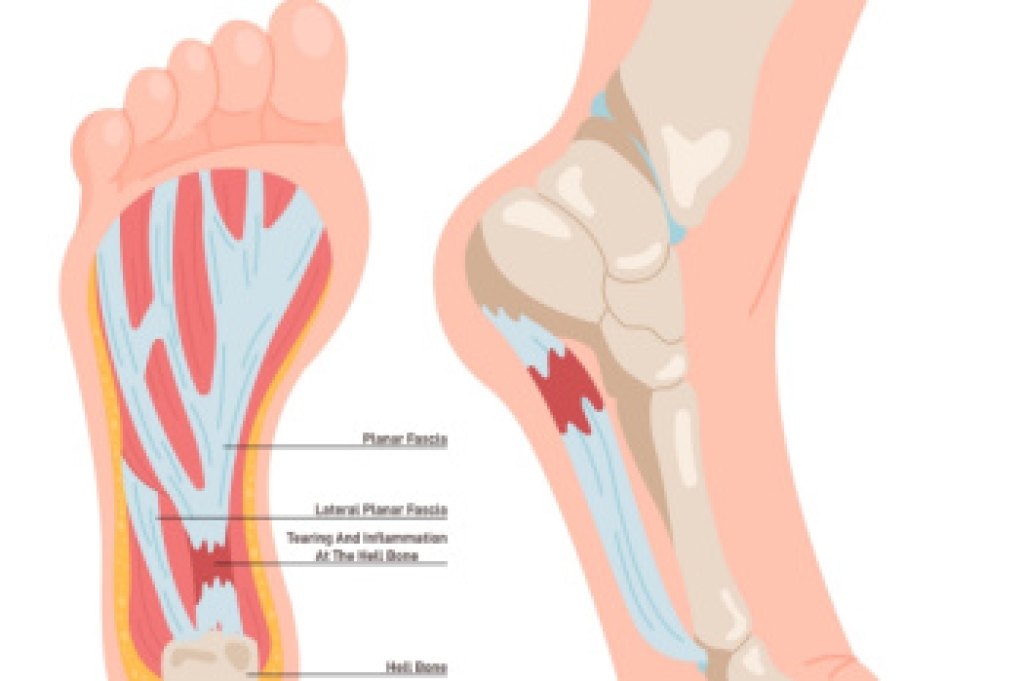
Plantar fasciitis is a common cause of heel pain, often resulting from inflammation of the thick band of tissue that runs along the bottom of the foot. This condition is typically aggravated by excessive pressure or overuse, leading to discomfort, particularly in the heel area. Wearing the right type of shoes is essential for managing and relieving plantar fasciitis. Shoes with good arch support help distribute pressure evenly across the foot, reducing strain on the plantar fascia. Cushioned soles provide shock absorption, which is especially beneficial for those who spend long hours standing or walking. Avoiding flat shoes or high heels is also important, as they do not offer adequate support. Instead, look for shoes with a low, supportive heel and a wide toe box that allows the toes to move freely. If you have heel pain, it is suggested that you consult a podiatrist who can accurately diagnose and treat this condition, in addition to guiding you toward optimum shoes to buy for relief.

Plantar fasciitis can be very painful and inconvenient. If you are experiencing heel pain or symptoms of plantar fasciitis, contact one of our podiatrists  from Farah Podiatry Associates. Our doctors can provide the care you need to keep you pain-free and on your feet.

What Is Plantar Fasciitis?

Plantar fasciitis is the inflammation of the thick band of tissue that runs along the bottom of your foot, known as the plantar fascia, and causes mild to severe heel pain.

What Causes Plantar Fasciitis?

  • Excessive running
  • Non-supportive shoes
  • Overpronation
  • Repeated stretching and tearing of the plantar fascia

How Can It Be Treated?

  • Conservative measures – anti-inflammatories, ice packs, stretching exercises, physical therapy, orthotic devices
  • Shockwave therapy – sound waves are sent to the affected area to facilitate healing and are usually used for chronic cases of plantar fasciitis
  • Surgery – usually only used as a last resort when all else fails. The plantar fascia can be surgically detached from the heel

While very treatable, plantar fasciitis is definitely not something that should be ignored. Especially in severe cases, speaking to your doctor right away is highly recommended to avoid complications and severe heel pain. Your podiatrist can work with you to provide the appropriate treatment options tailored to your condition.

If you have any questions, please feel free to contact our office located in Trenton, MI . We offer the newest diagnostic and treatment technologies for all your foot care needs.

Read more about Plantar Fasciitis
scroll to top