Same Day Emergency Appointments Available

Cryotherapy for Plantar Warts

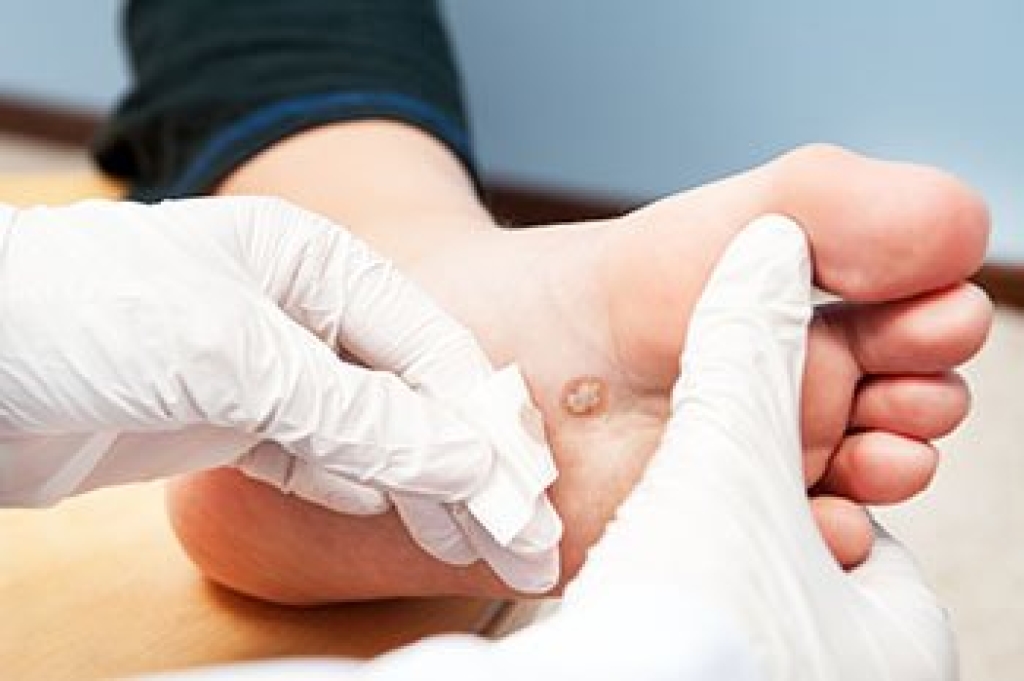
A wart on the sole of your foot, also known as a plantar wart, is a benign, fleshy growth that is caused by the human papillomavirus (HPV). Plantar warts are often painless and can go away on their own, however, this is not always the case. Warts can cause pain or discomfort if they are in areas that bear a lot of weight, grow inward due to pressure, or rub against your shoes and socks. Without treatment, plantar warts can also take years to disappear. One potential treatment option is cryotherapy. This is a fairly simple procedure in which the doctor applies a liquid nitrogen solution on the wart, freezing it. A blister then forms around the wart within 24 hours and can be removed after about one week. Two cryotherapy sessions may be needed to fully remove the wart. For more information about this and other treatments for plantar warts, please consult with a podiatrist. 

Plantar warts can be very uncomfortable. If you need your feet checked, contact one of our podiatrists from Farah Podiatry Associates. Our doctors will assist you with all of your foot and ankle needs.

About Plantar Warts

Plantar warts are the result of HPV, or human papillomavirus, getting into open wounds on the feet. They are mostly found on the heels or balls of the feet.

While plantar warts are generally harmless, those experiencing excessive pain or those suffering from diabetes or a compromised immune system require immediate medical care. Plantar warts are easily diagnosed, usually through scraping off a bit of rough skin or by getting a biopsy.

Symptoms

  • Lesions on the bottom of your feet, usually rough and grainy
  • Hard or thick callused spots
  • Wart seeds, which are small clotted blood vessels that look like little black spots
  • Pain, discomfort, or tenderness of your feet when walking or standing

Treatment

  • Freezing
  • Electric tool removal
  • Laser Treatment
  • Topical Creams (prescription only)
  • Over-the-counter medications

To help prevent developing plantar warts, avoid walking barefoot over abrasive surfaces that can cause cuts or wounds for HPV to get into. Avoiding direct contact with other warts, as well as not picking or rubbing existing warts, can help prevent the further spread of plantar warts. However, if you think you have developed plantar warts, speak to your podiatrist. He or she can diagnose the warts on your feet and recommend the appropriate treatment options.

If you have any questions, please feel free to contact our office located in Trenton, MI . We offer the newest diagnostic and treatment technologies for all your foot care needs.
Read more about Plantar Warts

The Relationship Between Obesity and Foot Pain

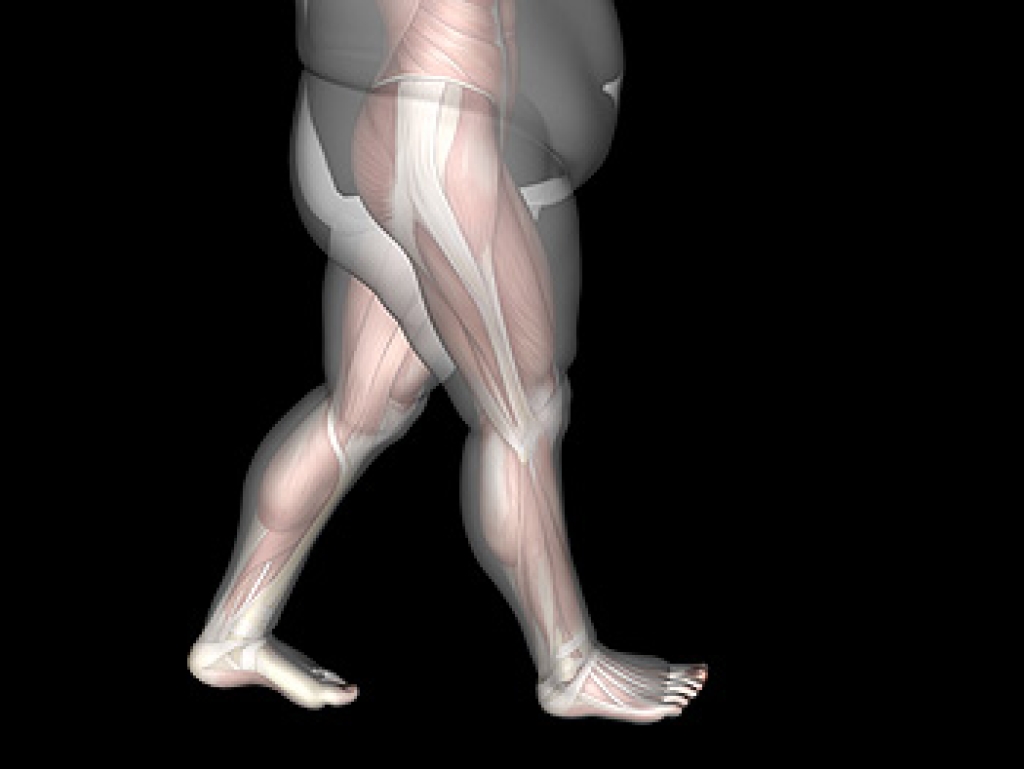
Being overweight places excessive force and pressure on your feet. This may lead to the development of many painful foot conditions. To start, your plantar fascia—the tissue on the sole of your foot which attaches the heel to the front of your foot—can become torn, damaged, and inflamed. Certain sugary foods that may have contributed to your obesity can also lead to an overabundance of uric acid in your body. In turn, this excess uric acid can crystallize on the joints in your foot, which is known as gout. Obese children are more at risk for developing Sever’s disease. This condition causes inflammation of a growing child’s growth plate in the heel and can be exacerbated by obesity. For more information on how obesity may be affecting your foot health, or for treatment for an obesity-related foot condition, contact your local podiatrist.

Obesity has become very problematic at this point in time and can have extremely negative effects on the feet. If you’re an obese individual and are concerned about your feet, contact one of our podiatrists from Farah Podiatry Associates. Our doctors can provide the care you need to keep you pain-free and on your feet.

Obesity and Your Feet

Since your feet are what support your entire weight when standing, any additional weight can result in pain and swelling. Being overweight is one of the main contributors to foot complications.

Problems & Complications

Extra Weight – Even putting on just a few extra pounds could create serious complications for your feet. As your weight increases, your balance and body will shift, creating new stresses on your feet. This uneven weight distribution can cause pain, even while doing the simplest tasks, such as walking.

Diabetes – People who are overweight are at serious risk of developing type-2 diabetes, which has a drastic impact on the health of your feet. As you get older, your diabetes might worsen, which could lead to loss of feeling in your feet, sores, and bruises. You could also become more prone to various infections.

Plantar fasciitis – Pressure and stress that is placed on muscles, joints, and tendons can trigger plantar fasciitis, which is an inflammation of tissue that forms along the bottom of the foot. 

If you have any questions, please feel free to contact our office located in Trenton, MI . We offer the newest diagnostic and treatment technologies for all your foot care needs.

Read more about How Obesity Affects Your Feet

How to Care For an Ankle Sprain After Leaving the Doctor’s Office

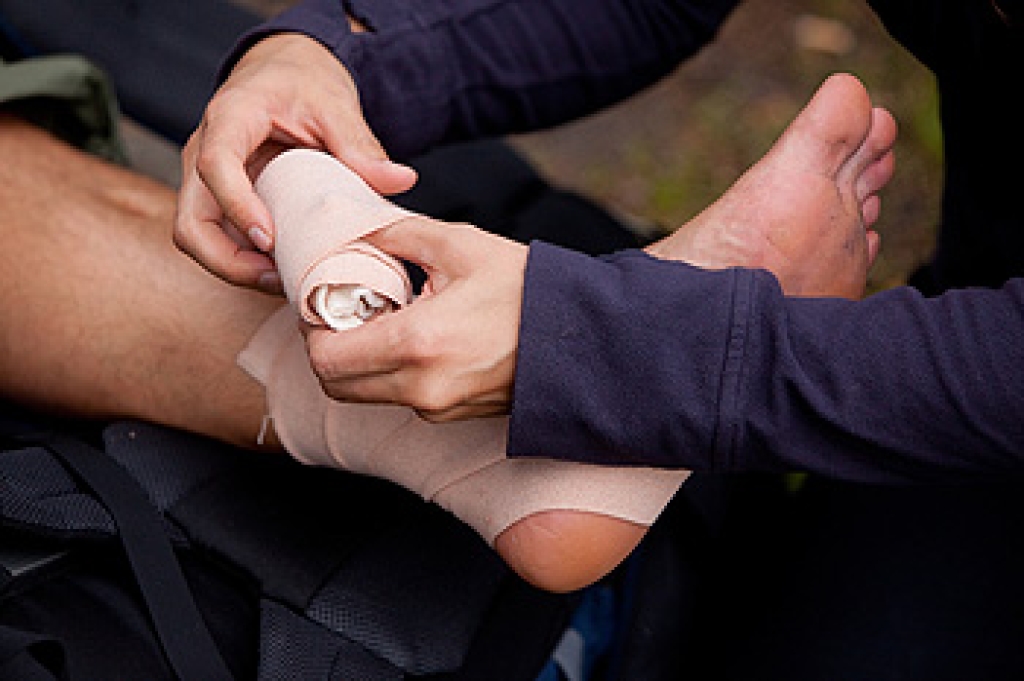
If you have sprained your ankle it is very important to seek the care of a podiatrist who can diagnose and treat your injury. But treatment does not begin and end at the doctor’s office. There are many things that you may need to do at home to ensure that your ankle heals properly. You should try to keep weight off of your injured ankle by keeping it elevated by propping it up on a pillow in order to reduce swelling. Put ice on your injured ankle periodically for three days following your injury to control swelling. Take any pain medications and wear splints, braces, or other orthotics as prescribed. For more information about caring for a sprained ankle, please consult with your podiatrist. 

Ankle sprains are common but need immediate attention. If you need your feet checked, contact one of our podiatrists from Farah Podiatry Associates. Our doctors can provide the care you need to keep you pain-free and on your feet.

How Does an Ankle Sprain Occur?

Ankle sprains take place when the ligaments in your ankle are torn or stretched beyond their limits. There are multiple ways that the ankle can become injured, including twisting or rolling over onto your ankle, putting undue stress on it, or causing trauma to the ankle itself.

What Are the Symptoms?

  • Mild to moderate bruising
  • Limited mobility
  • Swelling
  • Discoloration of the skin (depending on severity)

Preventing a Sprain

  • Wearing appropriate shoes for the occasion
  • Stretching before exercises and sports
  • Knowing your limits

Treatment of a Sprain

Treatment of a sprain depends on the severity.  Many times, people are told to rest and remain off their feet completely, while others are given an air cast. If the sprain is very severe, surgery may be required.

If you have suffered an ankle sprain previously, you may want to consider additional support such as a brace and regular exercises to strengthen the ankle.

If you have any questions please feel free to contact our office located in Trenton, MI . We offer the newest diagnostic tools and technology to treat your foot and ankle needs.

Read more about Ankle Sprains

Gout Pain Can Be Managed

Gout is a painful, inflammatory form of arthritis. Those affected will typically feel an intense stiffness in the joints of their feet, particularly in the big toe. Schedule a visit to learn about how gout can be managed and treated.

Do I Need Bunion Surgery?

Bunions can form when the main joint at the base of the big toe gets pulled out of line and is turned toward the rest of the toes. This can also cause a bony bump to form at the base of the big toe, which can be very painful. While more conservative treatments are often attempted first, surgery is one option for correcting a bunion. Surgery is intended to restraighten the big toe. During the 30–60-minute surgery, a variety of things may be done to fix the bunion, including releasing tight ligaments, realigning the big toe’s bones, and straightening out the joints of the big toe. Patients who are struggling with pain should consult with a podiatrist to figure out the best form of treatment.

If you are suffering from bunions, contact one of our podiatrists of Farah Podiatry Associates. Our doctors can provide the care you need to keep you pain-free and on your feet.

What Is a Bunion?

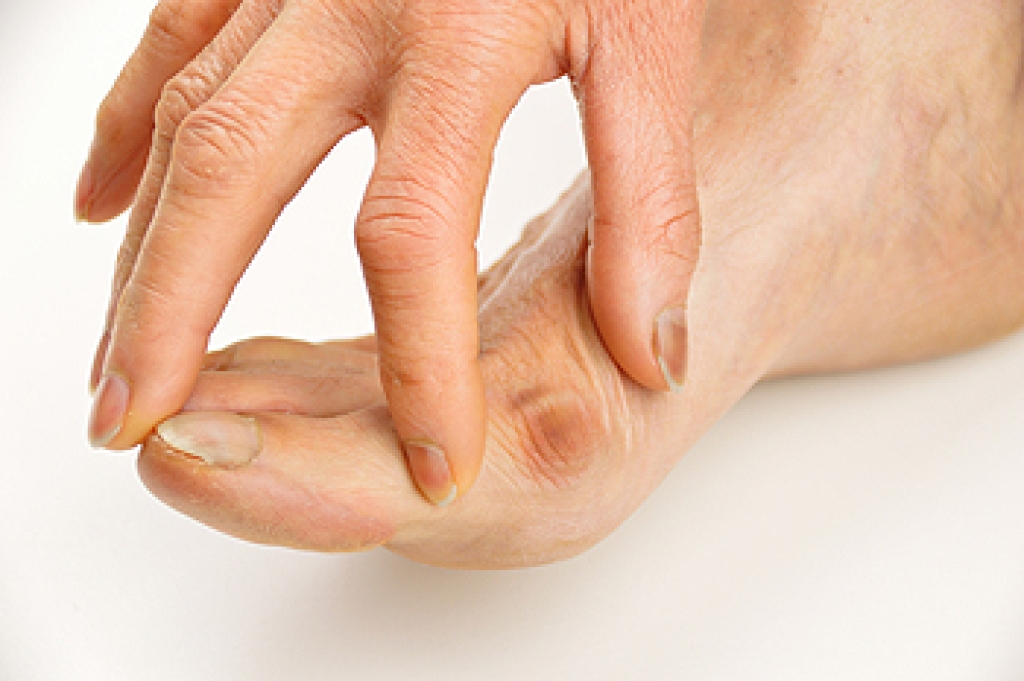
A bunion is formed of swollen tissue or an enlargement of boney growth, usually located at the base joint of the toe that connects to the foot. The swelling occurs due to the bones in the big toe shifting inward, which impacts the other toes of the foot. This causes the area around the base of the big toe to become inflamed and painful.

Why Do Bunions Form?

Genetics – Susceptibility to bunions are often hereditary

Stress on the feet – Poorly fitted and uncomfortable footwear that places stress on feet, such as heels, can worsen existing bunions

How Are Bunions Diagnosed?

Podiatrists often perform two tests – blood tests and x-rays – when trying to diagnose bunions, especially in the early stages of development. Blood tests help determine if the foot pain is being caused by something else, such as arthritis, while x-rays provide a clear picture of your bone structure to your provider.

How Are Bunions Treated?

  • Refrain from wearing heels or similar shoes that cause discomfort
  • Select wider shoes that can provide more comfort and reduce pain
  • Anti-inflammatory and pain management drugs
  • Orthotics or foot inserts
  • Surgery

If you have any questions, please feel free to contact our office located in Trenton, MI . We offer the newest diagnostic and treatment technologies for all your foot care needs.
Read more about Bunions
scroll to top