
Same Day Emergency Appointments Available

Ankle Strength Exercises After a Sprain

Ankle strengthening exercises are important after a sprain to restore stability, flexibility, and strength. Exercises like ankle inversion and eversion help target specific muscles. Inversion refers to turning the sole of the foot inward, while eversion is the opposite movement, where the sole turns outward. These motions strengthen the ankle ligaments and surrounding muscles, improving stability. Resisted ankle exercises using an elastic band can make these movements more effective. The ankle alphabet exercise, where people trace letters with their toes, gently improves mobility. Towel scrunches, which involve pulling a towel toward you using your toes, strengthen the smaller muscles in the feet. Balance exercises, such as standing on one leg, enhance proprioception, which is the body’s sense of position and movement. These activities are key for reducing the risk of future injuries. A podiatrist can evaluate your ankle, recommend specific exercises, and provide professional treatment to support your recovery. If you have sprained an ankle, it is suggested that you schedule an appointment with a podiatrist.

Although ankle sprains are common, they aren’t always minor injuries. If you need your ankle injury looked at, contact one of our podiatrists from Farah Podiatry Associates. Our doctors can provide the care you need to keep you pain-free and on your feet.

How Does an Ankle Sprain Occur?

Ankle sprains are the result of a tear in the ligaments within the ankle. These injuries may happen when you make a rapid shifting movement while your foot is planted. A less common way to sprain your ankle is when your ankle rolls inward while your foot turns outward.

What Are the Symptoms?

  • Pain at the sight of the tear
  • Bruising/Swelling
  • Ankle area is tender to touch
  • In severe cases, may hear/feel something tear
  • Skin discoloration

Preventing a Sprain

  • Wearing appropriate shoes for the occasion
  • Stretching before exercises and sports
  • Knowing your limits

Treatment of a Sprain

In many cases, the RICE method (Rest, Ice, Compression, and Elevate) is used to treat ankle sprains. However, you should see a podiatrist to see which treatment option would work best with your injury. In severe cases, surgery may be required.

It is important to ask your doctor about rehab options after you receive treatment for your injury. Stretching, strength training, and balance exercises may help the ankle heal while also preventing further injury.

If you have any questions, please feel free to contact our office located in Trenton, MI . We offer the newest diagnostic and treatment technologies for all your foot care needs.

Read more about Ankle Sprains

Common Causes of Ankle Popping

Ankle popping, medically referred to as crepitus, can occur for a variety of reasons, but is usually harmless unless accompanied by pain or swelling. Common causes of ankle popping include the release of gas within the joint capsule, which produces a popping sound without pain. Issues with the tendons surrounding the ankle, such as peroneal tendonitis, may also cause popping. Such tendon inflammation may also cause pain and instability, particularly during movement. Ligament injuries, such as ankle sprains, can also result in a popping noise, often at the time of injury, along with swelling and bruising. Damage to cartilage in the ankle may lead to clicking sounds and joint instability during activity. Incorporating specific exercises to strengthen the muscles and improve ankle mobility, such as ankle circles or calf raises, can help support the joint and reduce the risk of further complications. A podiatrist can assess the cause of ankle popping and develop a plan to address the underlying issue. If your ankles make a popping sound, it is suggested that you schedule an appointment with a podiatrist for an exam and treatment options.

Ankle pain can be caused by a number of problems and may be potentially serious. If you have ankle pain, consult with one of our podiatrists from Farah Podiatry Associates. Our doctors will assess your condition and provide you with quality foot and ankle treatment.

Ankle pain is any condition that causes pain in the ankle. Due to the fact that the ankle consists of tendons, muscles, bones, and ligaments, ankle pain can come from a number of different conditions.

Causes

The most common causes of ankle pain include:

  • Types of arthritis (rheumatoid, osteoarthritis, and gout)
  • Ankle sprains
  • Broken ankles
  • Achilles tendonitis
  • Achilles tendon rupture
  • Stress fractures
  • Bursitis
  • Tarsal tunnel syndrome
  • Plantar fasciitis

Symptoms

Symptoms of ankle injury vary based upon the condition. Pain may include general pain and discomfort, swelling, aching, redness, bruising, burning or stabbing sensations, and/or loss of sensation.

Diagnosis

Due to the wide variety of potential causes of ankle pain, podiatrists will utilize a number of different methods to properly diagnose ankle pain. This can include asking for personal and family medical histories and of any recent injuries. Further diagnosis may include sensation tests, a physical examination, and potentially x-rays or other imaging tests.

Treatment

Just as the range of causes varies widely, so do treatments. Some more common treatments are rest, ice packs, keeping pressure off the foot, orthotics and braces, medication for inflammation and pain, and surgery.

If you have any questions please feel free to contact our office located in Trenton, MI . We offer the newest diagnostic tools and technology to treat your foot and ankle needs.

Read more about Ankle Pain

Managing Pain From Pachyonychia Congenita

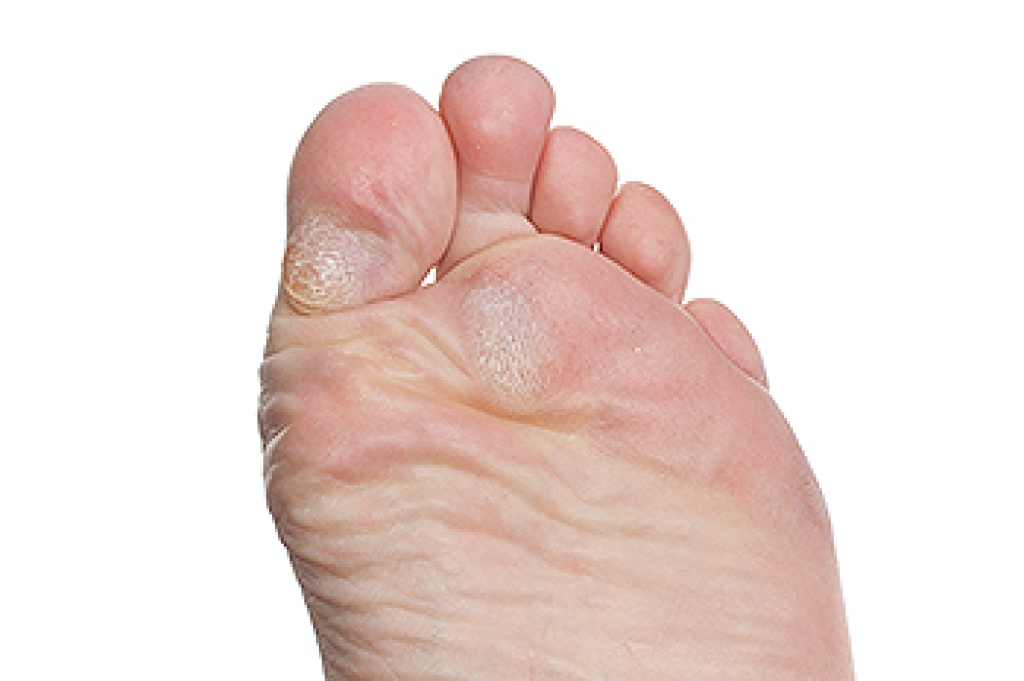
Pachyonychia congenita, or PC, is a rare genetic condition that affects the nails, skin, and sometimes the mucous membranes. For the feet and ankles, it often leads to thickened nails, painful calluses, and blisters, especially on weight-bearing areas like the soles. These calluses and blisters can make walking and daily activities extremely uncomfortable, significantly impacting mobility and quality of life. The condition arises from mutations in specific keratin genes, causing the skin and nails to grow abnormally. Pressure from shoes and physical activity worsens symptoms, making proper foot care essential. Treatment focuses on reducing discomfort, such as filing thickened nails, softening calluses, and wearing custom footwear to minimize pressure. A podiatrist can play a vital role in managing PC. If you suffer from this affliction, it is suggested that you schedule an appointment with this foot specialist who can offer specialized care and advice to improve comfort and mobility.

Some foot conditions may require additional professional care. If you have any concerns, contact one of our podiatrists of Farah Podiatry Associates. Our doctors can provide the care you need to keep you pain-free and on your feet.

Rare Foot Conditions

The majority of foot conditions are common and can be treated by a podiatrist.  Standard diagnostic procedures are generally used to identify specific conditions and treatment can be rendered. A podiatrist also treats rare foot conditions which can be difficult to diagnose and may need extra attention and care. 

There are many rare foot conditions that can affect children. Some of these can include:

  • Freiberg’s disease
  • Kohler’s disease
  • Maffucci syndrome

Freiberg’s disease - This can be seen as a deterioration and flattening of a metatarsal bone that exists in the ball of the foot. It typically affects pre-teen and teenage girls, but can affect anyone at any age. Symptoms that can accompany this can be swelling, stiffness, and the patient may limp. 

Kohler’s disease - This often targets the bone in the arch of the foot and affects younger boys. It can lead to an interruption of the blood supply which ultimately can lead to bone deterioration. The patient may limp or experience tenderness, swelling, and redness.

Maffucci syndrome - This affects the long bones in a child’s foot leading to the development of abnormal bone lesions. They are benign growths and typically develop in early childhood and the bones may be susceptible to breaking. 

A podiatrist can properly diagnose and treat all types of rare foot conditions. If your child is affected by any of these symptoms or conditions, please don’t hesitate to call our office so the correct treatment method can begin.

If you have any questions, please feel free to contact our office located in Trenton, MI . We offer the newest diagnostic and treatment technologies for all your foot care needs.

Read more about Rare Foot Conditions

Typical Causes of Heel Pain

Heel pain can affect people of all ages and activity levels. It often stems from issues like plantar fasciitis, heel spurs, Achilles tendonitis, or bursitis. Plantar fasciitis, a leading cause of heel pain, occurs when the ligament supporting the foot's arch becomes inflamed due to overuse or stress. Similarly, heel spurs, which are bony growths at the bottom or back of the heel, may develop from prolonged strain on the plantar fascia. Inflammation of the Achilles tendon causes pain at the back of the heel where it connects the calf muscle to the heel bone. It is often triggered by repetitive activities or wearing poorly supportive footwear. Bursitis, or inflammation of the fluid-filled sacs that cushion the heel, can result from friction or underlying conditions like arthritis. A podiatrist can identify the root cause of heel pain by conducting a physical examination and ordering X-rays and digital imaging tests, if needed. If you are experiencing chronic or extreme heel pain, it is suggested that you schedule an appointment with a podiatrist for a diagnosis and treatment.

Many people suffer from bouts of heel pain. For more information, contact one of our podiatrists of Farah Podiatry Associates. Our doctors can provide the care you need to keep you pain-free and on your feet.

Causes of Heel Pain

Heel pain is often associated with plantar fasciitis. The plantar fascia is a band of tissues that extends along the bottom of the foot. A rip or tear in this ligament can cause inflammation of the tissue.

Achilles tendonitis is another cause of heel pain. Inflammation of the Achilles tendon will cause pain from fractures and muscle tearing. Lack of flexibility is also another symptom.

Heel spurs are another cause of pain. When the tissues of the plantar fascia undergo a great deal of stress, it can lead to ligament separation from the heel bone, causing heel spurs.

Why Might Heel Pain Occur?

  • Wearing ill-fitting shoes                
  • Wearing non-supportive shoes
  • Weight change           
  • Excessive running

Treatments

Heel pain should be treated as soon as possible for immediate results. Keeping your feet in a stress-free environment will help. If you suffer from Achilles tendonitis or plantar fasciitis, applying ice will reduce the swelling. Stretching before an exercise like running will help the muscles. Using all these tips will help make heel pain a condition of the past.

If you have any questions, please feel free to contact our office located in Trenton, MI . We offer the newest diagnostic and treatment technologies for all your foot care needs.

Read more about Heel Pain

Understanding Tarsal Tunnel Syndrome

Tarsal tunnel syndrome is a condition caused by compression of the posterior tibial nerve, which runs along the inner ankle. This nerve travels through a narrow space called the tarsal tunnel, and when it is compressed, it can lead to symptoms like pain, tingling, burning, or numbness in the foot and ankle. The discomfort may radiate from the ankle into the sole of the foot and is often worse after prolonged standing, walking, or physical activity. Causes of tarsal tunnel syndrome include repetitive strain, injury, flat feet, or conditions like arthritis that add pressure on the nerve. Diagnosis usually involves a physical examination, nerve conduction tests, and imaging. Treatment can range from rest to orthotics to reduce strain. In severe cases, surgery may be needed to relieve pressure on the nerve and alleviate symptoms. If you have symptoms of tarsal tunnel syndrome, it is suggested that you visit a podiatrist for a proper diagnosis and treatment.

Tarsal tunnel syndrome can be very uncomfortable to live with. If you are experiencing tarsal tunnel syndrome, contact one of our podiatrists of Farah Podiatry Associates. Our doctors can provide the care you need to keep you pain-free and on your feet.

Tarsal Tunnel Syndrome

Tarsal tunnel syndrome, which can also be called tibial nerve dysfunction, is an uncommon condition of misfiring peripheral nerves in the foot. The tibial nerve is the peripheral nerve in the leg responsible for sensation and movement of the foot and calf muscles. In tarsal tunnel syndrome, the tibial nerve is damaged, causing problems with movement and feeling in the foot of the affected leg.

Common Cause of Tarsal Tunnel Syndrome

  • Involves pressure or an injury, direct pressure on the tibial nerve for an extended period of time, sometimes caused by other body structures close by or near the knee.
  • Diseases that damage nerves, including diabetes, may cause tarsal tunnel syndrome.
  • At times, tarsal tunnel syndrome can appear without an obvious cause in some cases.

The Effects of Tarsal Tunnel Syndrome

  • Different sensations, an afflicted person may experience pain, tingling, burning or other unusual sensations in the foot of the affected leg.
  • The foot muscles, toes and ankle become weaker, and curling your toes or flexing your foot can become difficult.
  • If condition worsens, infections and ulcers may develop on the foot that is experiencing the syndrome.

A physical exam of the leg can help identify the presence of tarsal tunnel syndrome. Medical tests, such as a nerve biopsy, are also used to diagnose the condition. Patients may receive physical therapy and prescriptive medication. In extreme cases, some may require surgery.

If you have any questions please contact our office located in Trenton, MI . We offer the newest diagnostic and treatment technologies for all your foot and ankle needs.

Read more about Tarsal Tunnel Syndrome
scroll to top