
Same Day Emergency Appointments Available

Bunions and Recovery After Surgery

A bunion is a bony bump that forms at the base of the big toe as the top of toe to angles inward toward the other smaller toes. This deformity often results from inherited foot structure, wearing improper footwear, or medical conditions like arthritis. Over time, bunions can lead to pain, swelling, and difficulty walking. When conservative treatments fail to relieve symptoms, bunion surgery may be recommended to correct the alignment and relieve discomfort. Recovery from bunion surgery involves rest, elevation, and wearing a special shoe to protect the foot during healing. Swelling may last for several weeks, and, with proper care, most individuals can return to normal activities. If you have a bunion that is causing you pain, it is suggested that you confer with a podiatrist who can determine if this type of foot surgery is right for you.

Foot surgery is sometimes necessary to treat a foot ailment. To learn more, contact one of our podiatrists of Farah Podiatry Associates. Our doctors will assist you with all of your foot and ankle needs.

When Is Surgery Necessary?

Foot and ankle surgery is generally reserved for cases in which less invasive, conservative procedures have failed to alleviate the problem. Some of the cases in which surgery may be necessary include:

  • Removing foot deformities like bunions and bone spurs
  • Severe arthritis that has caused bone issues
  • Cosmetic reconstruction

What Types of Surgery Are There?

The type of surgery you receive will depend on the nature of the problem you have. Some of the possible surgeries include:

  • Bunionectomy for painful bunions
  • Surgical fusion for realignment of bones
  • Neuropathy decompression surgery to treat nerve damage

Benefits of Surgery

Although surgery is usually a last resort, it can provide more complete pain relief compared to non-surgical methods and may allow you to finally resume full activity.

Surgical techniques have also become increasingly sophisticated. Techniques like endoscopic surgery allow for smaller incisions and faster recovery times.

If you have any questions, please feel free to contact our office located in Trenton, MI . We offer the newest diagnostic and treatment technologies for all your foot care needs.

Read more about Foot Surgery

Podiatrists and Conditions Treated

Podiatry is a branch of medicine focused on the diagnosis, treatment, and prevention of conditions affecting the feet and lower limbs. A podiatrist is a healthcare professional trained to manage a wide range of foot-related issues, offering both medical and surgical care. Common conditions treated by podiatrists include corns, which are thickened areas of skin caused by pressure or friction, and verrucas, which are warts on the soles of the feet caused by a viral infection. They also manage structural problems such as flat feet, which can lead to discomfort and imbalance, and heel pain, often linked to conditions like plantar fasciitis. For ingrown toenails that become painful or infected, podiatrists may perform a partial nail avulsion to relieve symptoms and prevent recurrence. If you have foot pain, it is strongly suggested that you promptly contact a podiatrist who can determine what the cause is, and offer effective treatment solutions.

If you are experiencing pain in the feet or ankles, don’t join the stubborn majority refusing treatment. Feel free to contact one of our podiatrists from Farah Podiatry Associates. Our doctors can provide the care you need to keep you pain-free and on your feet.

What Is a Podiatrist?

Someone would seek the care of a podiatrist if they have suffered a foot injury or have common foot ailments such as heal spurs, bunions, arch problems, deformities, ingrown toenails, corns, foot and ankle problems, etc.

Podiatric Treatment

A podiatrist will treat the problematic areas of the feet, ankle or lower leg by prescribing the following:

  • Physical therapy
  • Drugs
  • Orthotic inserts or soles
  • Surgery on lower extremity fractures

A common podiatric procedure a podiatrist will use is a scanner or force plate which will allow the podiatrist to know the designs of orthotics. Patients are then told to follow a series of tasks to complete the treatment. The computer will scan the foot a see which areas show weight distribution and pressure points. The podiatrist will read the analysis and then determine which treatment plans are available.

If you have any questions, please feel free to contact our office located in Trenton, MI . We offer the newest diagnostic and treatment technologies for all your foot care needs.

Read more about What is a Podiatrist?

Foot Pain Caused by Cuboid Syndrome

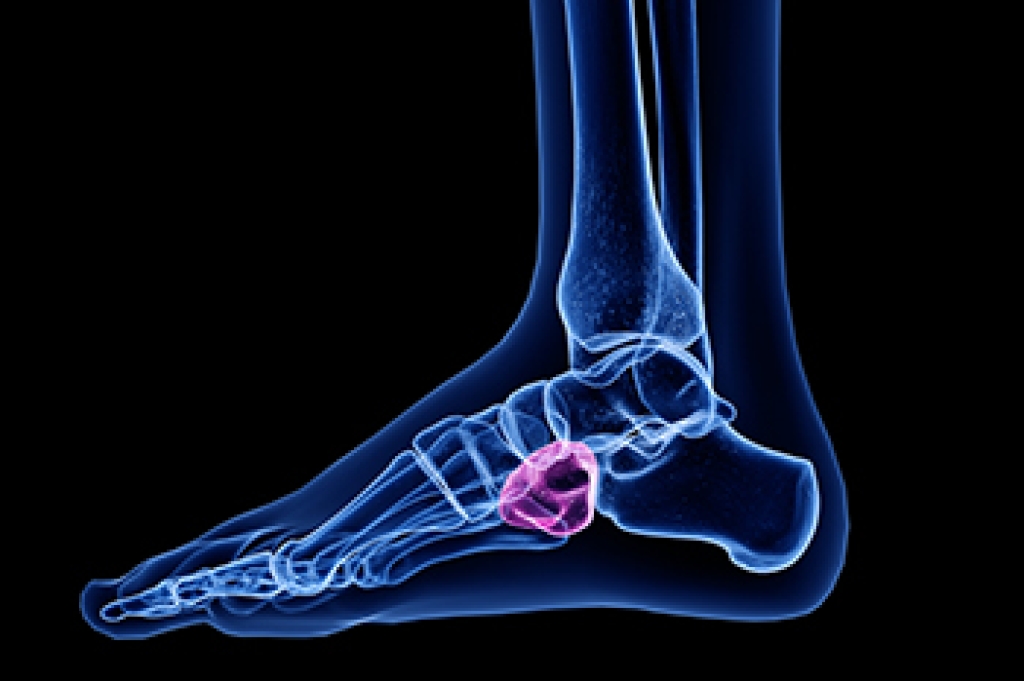
Cuboid syndrome is a type of foot pain that affects the outer middle part of the foot, where a small bone called the cuboid connects with the heel bone. This joint can become slightly out of place, often after an ankle sprain or repeated strain during activities like running, jumping, or dancing. The result is pain, swelling, and difficulty putting weight on the foot, especially during side-to-side movements or push-offs while walking. Some people develop a limp to avoid pressure on the painful area. Because the symptoms can feel like those of an ankle sprain, cuboid syndrome is often overlooked or mistaken for something else. Unfortunately, X-rays or scans do not necessarily show the problem, so a podiatrist conducts a physical exam and uses a patient’s description of how the injury happened. This can help to determine the cause in addition to recommending specific techniques or support to help relieve pain and improve motion. If you are experiencing midfoot pain that may be related to cuboid bone displacement, it is suggested that you schedule an appointment with a podiatrist for an exam, diagnosis, and appropriate treatment.

Cuboid syndrome, also known as cuboid subluxation, occurs when the joints and ligaments near the cuboid bone in the foot become torn. If you have cuboid syndrome, consult with one of our podiatrists from Farah Podiatry Associates. Our doctors will assess your condition and provide you with quality foot and ankle treatment.

Cuboid syndrome is a common cause of lateral foot pain, which is pain on the outside of the foot. The condition may happen suddenly due to an ankle sprain, or it may develop slowly overtime from repetitive tension through the bone and surrounding structures.

Causes

The most common causes of cuboid syndrome include:

  • Injury – The most common cause of this ailment is an ankle sprain.
  • Repetitive Strain – Tension placed through the peroneus longus muscle from repetitive activities such as jumping and running may cause excessive traction on the bone causing it to sublux.
  • Altered Foot Biomechanics – Most people suffering from cuboid subluxation have flat feet.

Symptoms

A common symptom of cuboid syndrome is pain along the outside of the foot which can be felt in the ankle and toes. This pain may create walking difficulties and may cause those with the condition to walk with a limp.

Diagnosis

Diagnosis of cuboid syndrome is often difficult, and it is often misdiagnosed. X-rays, MRIs and CT scans often fail to properly show the cuboid subluxation. Although there isn’t a specific test used to diagnose cuboid syndrome, your podiatrist will usually check if pain is felt while pressing firmly on the cuboid bone of your foot.

Treatment

Just as the range of causes varies widely, so do treatments. Some more common treatments are ice therapy, rest, exercise, taping, and orthotics.

If you have any questions, please feel free to contact our office located in Trenton, MI . We offer the newest diagnostic and treatment technologies for all your foot care needs.

Read more about Cuboid Syndrome

How Your Weight Affects the Feet

Excess body weight can lead to foot pain by placing continual pressure on the feet, toes, and ankles. People with a higher body mass index, or BMI, are more likely to experience conditions like plantar heel pain, flat feet, and limited ankle movement. Extra fat mass also has been shown to affect foot posture, often leading to a low arch and increased pronation while walking. This altered foot function increases pressure on the bottom of the foot, especially under the heel and midfoot, often resulting in ongoing pain. Such changes can make walking or standing for long periods more difficult and may contribute to joint strain. A podiatrist can evaluate the structure and function of your feet, recommend ways to relieve discomfort, and discuss options if the pain becomes severe or persistent. If you have foot pain that may be connected to your weight, it is suggested that you schedule an appointment with a podiatrist for an evaluation and treatment.

Obesity has become very problematic at this point in time and can have extremely negative effects on the feet. If you’re an obese individual and are concerned about your feet, contact one of our podiatrists from Farah Podiatry Associates. Our doctors can provide the care you need to keep you pain-free and on your feet.

Obesity and Your Feet

Since your feet are what support your entire weight when standing, any additional weight can result in pain and swelling. Being overweight is one of the main contributors to foot complications.

Problems & Complications

Extra Weight – Even putting on just a few extra pounds could create serious complications for your feet. As your weight increases, your balance and body will shift, creating new stresses on your feet. This uneven weight distribution can cause pain, even while doing the simplest tasks, such as walking.

Diabetes – People who are overweight are at serious risk of developing type-2 diabetes, which has a drastic impact on the health of your feet. As you get older, your diabetes might worsen, which could lead to loss of feeling in your feet, sores, and bruises. You could also become more prone to various infections.

Plantar fasciitis – Pressure and stress that is placed on muscles, joints, and tendons can trigger plantar fasciitis, which is an inflammation of tissue that forms along the bottom of the foot. 

If you have any questions, please feel free to contact our office located in Trenton, MI . We offer the newest diagnostic and treatment technologies for all your foot care needs.

Read more about How Obesity Affects Your Feet

Heel Pain Can Be Treated!

Do you suffer from heel pain when you get up in the morning? If so, you should seek professional help and have a proper diagnosis performed. Heel pain can be caused by several different foot-related conditions.

scroll to top