
Plantar warts are small growths that develop on parts of the feet that bear weight. They're typically found on the bottom of the foot. Don't live with plantar warts, and call us today!
Plantar warts are small growths that develop on parts of the feet that bear weight. They're typically found on the bottom of the foot. Don't live with plantar warts, and call us today!

Falls in seniors often start with problems in the feet, toes, or ankles that make walking less steady. Painful joints, reduced range of motion, or stiffness in the ankles can change gait and slow reaction time when stepping on uneven ground. Thickened toenails, numbness, or deformities like hammertoes can affect balance. Additionally, wearing shoes with inadequate support or worn-out flip-flops make slips more likely. Weak muscles in the lower legs or arthritis in the foot joints can cause a shuffling stride, which increases the chance of tripping. Previous injuries, swelling, or poor circulation can also interfere with safe movement, adding to the risk of fractures if bones are fragile. A podiatrist can evaluate the feet, correct gait problems, and recommend proper footwear to improve stability. For help in preventing falls or to address any existing foot problems, it is suggested that you schedule an appointment with a podiatrist for a diagnosis and appropriate treatment.
Preventing falls among the elderly is very important. If you are older and have fallen or fear that you are prone to falling, consult with one of our podiatrists from Farah Podiatry Associates. Our doctors will assess your condition and provide you with quality advice and care.
Every 11 seconds, an elderly American is being treated in an emergency room for a fall related injury. Falls are the leading cause of head and hip injuries for those 65 and older. Due to decreases in strength, balance, senses, and lack of awareness, elderly persons are very susceptible to falling. Thankfully, there are a number of things older persons can do to prevent falls.
How to Prevent Falls
Some effective methods that older persons can do to prevent falls include:
Falling can be a traumatic and embarrassing experience for elderly persons; this can make them less willing to leave the house, and less willing to talk to someone about their fears of falling. Doing such things, however, will increase the likelihood of tripping or losing one’s balance. Knowing the causes of falling and how to prevent them is the best way to mitigate the risk of serious injury.
If you have any questions, please feel free to contact our office located in Trenton, MI . We offer the newest diagnostic and treatment technologies for all your foot care needs.

Many people do not realize how much flexibility in the toes influences balance, posture, and the way the feet move throughout the day. When the toes become stiff or the arch muscles are underused, walking and running can feel less stable and can even lead to discomfort in the feet, calves, and ankles. A helpful stretch involves using your hands to guide the toes into a gentle bending motion at the base joints, encouraging them to lengthen and lift in the correct places. Placing your fingers under the sole and your thumbs on top of the toes allows you to support the foot while easing the toes downward and away from the body. Holding the stretch for several deep breaths helps awaken the small muscles that support the arch and improves overall mobility. Practicing this regularly can promote stronger movement patterns and more comfortable steps. If you have foot or toe pain, it is suggested that you see a podiatrist for treatment, which may include additional stretches.
Stretching the feet is a great way to prevent injuries. If you have any concerns with your feet consult with one of our podiatrists from Farah Podiatry Associates. Our doctors will assess your condition and provide you with quality foot and ankle treatment.
Stretching the Feet
Stretching the muscles in the foot is an important part in any physical activity. Feet that are tight can lead to less flexibility and make you more prone to injury. One of the most common forms of foot pain, plantar fasciitis, can be stretched out to help ease the pain. Stretching can not only ease pain from plantar fasciitis but also prevent it as well. However, it is important to see a podiatrist first if stretching is right for you. Podiatrists can also recommend other ways to stretch your feet. Once you know whether stretching is right for you, here are some excellent stretches you can do.
It is best to go easy when first stretching your foot and work your way up. If your foot starts hurting, stop exercising and ice and rest the foot. It is advised to then see a podiatrist for help.
If you have any questions please contact our office located in Trenton, MI . We offer the newest diagnostic and treatment technologies for all your foot and ankle needs.
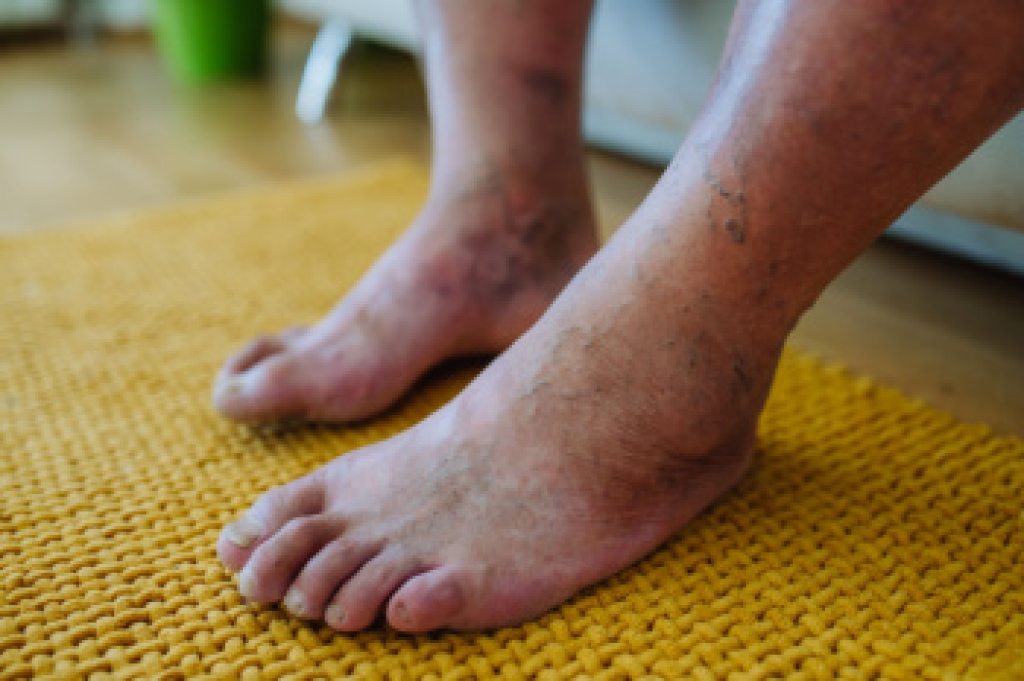
Type one diabetes is an autoimmune condition in which the body no longer produces insulin, requiring lifelong management to keep blood sugar within a healthy range. These ongoing shifts can influence foot health in subtle, but important ways. Circulation may become less efficient over time, leading to dry skin, slower healing, and a higher chance of infection. Nerve changes can cause tingling, burning, or numbness, making it harder to feel small injuries or areas of pressure. Even minor cuts, blisters, or cracks can worsen if they go unnoticed. Daily foot checks, wearing supportive footwear, and prompt care for any new concern can help protect long-term comfort and mobility. If you notice numbness, dryness, or wounds that heal slowly, it is suggested that you are under the care of a podiatrist who can help you to manage this serious condition.
Diabetic foot care is important in preventing foot ailments such as ulcers. If you are suffering from diabetes or have any other concerns about your feet, contact one of our podiatrists from Farah Podiatry Associates. Our doctors can provide the care you need to keep you pain-free and on your feet.
Diabetic Foot Care
Diabetes affects millions of people every year. The condition can damage blood vessels in many parts of the body, especially the feet. Because of this, taking care of your feet is essential if you have diabetes, and having a podiatrist help monitor your foot health is highly recommended.
The Importance of Caring for Your Feet
Patients with diabetes should have their doctor monitor their blood levels, as blood sugar levels play such a huge role in diabetic care. Monitoring these levels on a regular basis is highly advised.
It is always best to inform your healthcare professional of any concerns you may have regarding your feet, especially for diabetic patients. Early treatment and routine foot examinations are keys to maintaining proper health, especially because severe complications can arise if proper treatment is not applied.
If you have any questions, please feel free to contact our office located in Trenton, MI . We offer the newest diagnostic and treatment technologies for all your foot care needs.

Plantar fasciitis is one of the most frequent causes of heel pain, and its symptoms often appear gradually. The most noticeable sign is sharp discomfort at the bottom of the heel, especially with the first steps in the morning or after standing up from rest. As the tissue warms up, the pain may ease, only to return later in the day with prolonged standing, walking, or exercise. Many people describe a tight, pulling sensation along the arch, as if the foot needs to stretch but never fully relaxes. The heel may feel tender when you press on it, and the discomfort can worsen in unsupportive shoes or on hard surfaces. If the irritation continues, the pain can spread toward the arch or make it difficult to stay active. When heel pain persists or limits daily movement, it is suggested that you see a podiatrist for an evaluation and appropriate treatment.
Plantar fasciitis is a common foot condition that is often caused by a strain injury. If you are experiencing heel pain or symptoms of plantar fasciitis, contact one of our podiatrists from Farah Podiatry Associates. Our doctors can provide the care you need to keep you pain-free and on your feet.
What Is Plantar Fasciitis?
Plantar fasciitis is one of the most common causes of heel pain. The plantar fascia is a ligament that connects your heel to the front of your foot. When this ligament becomes inflamed, plantar fasciitis is the result. If you have plantar fasciitis you will have a stabbing pain that usually occurs with your first steps in the morning. As the day progresses and you walk around more, this pain will start to disappear, but it will return after long periods of standing or sitting.
What Causes Plantar Fasciitis?
There are some risk factors that may make you more likely to develop plantar fasciitis compared to others. The condition most commonly affects adults between the ages of 40 and 60. It also tends to affect people who are obese because the extra pounds result in extra stress being placed on the plantar fascia.
Prevention
There are a variety of treatment options available for plantar fasciitis along with the pain that accompanies it. Additionally, physical therapy is a very important component in the treatment process. It is important that you meet with your podiatrist to determine which treatment option is best for you.
If you have any questions, please feel free to contact our office located in Trenton, MI . We offer the newest diagnostic and treatment technologies for all your foot care needs.
