Same Day Emergency Appointments Available

Heels That Always Hurt

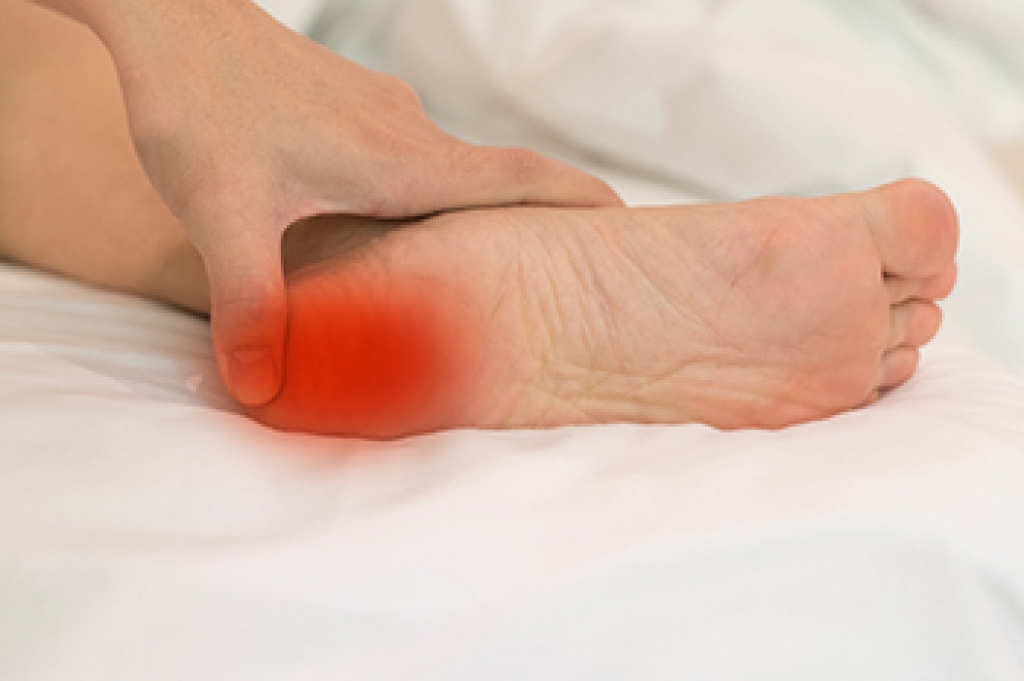
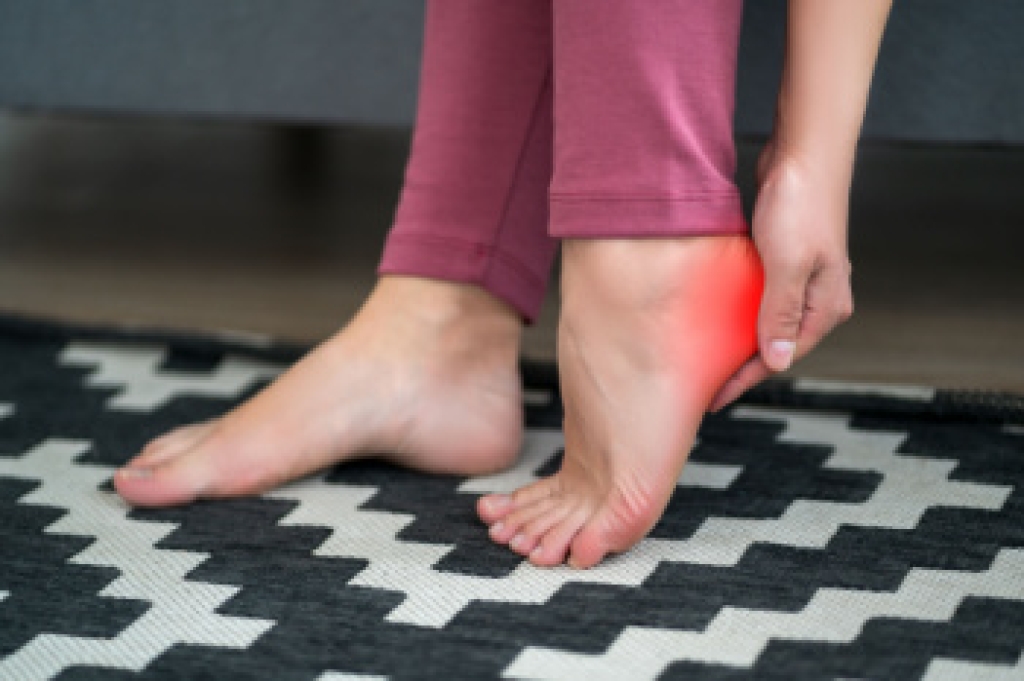
Heel pain is a common foot problem that can make walking uncomfortable and limit daily activities. Two frequent causes are plantar fasciitis and Achilles tendonitis. Plantar fasciitis occurs when the thick band of tissue along the bottom of the foot becomes irritated where it attaches to the heel. Patients often notice sharp pain with the first steps in the morning or after periods of rest. Achilles tendonitis affects the large tendon at the back of the heel and ankle. This condition may cause stiffness, swelling, and a dull or burning pain that worsens with activity. Both problems may develop from overuse, tight calf muscles, improper footwear, or changes in activity level. The heel may feel tender to the touch, and walking or climbing stairs can become difficult. A podiatrist can diagnose the cause of heel pain through examination and imaging. Treatment may include supportive footwear, custom orthotics, anti-inflammatory care, and targeted exercises to improve flexibility and strength. If you have ongoing heel pain, it is suggested that you make an appointment with a podiatrist.

Many people suffer from bouts of heel pain. For more information, contact one of our podiatrists of Farah Podiatry Associates. Our doctors can provide the care you need to keep you pain-free and on your feet.

Causes of Heel Pain

Heel pain is often associated with plantar fasciitis. The plantar fascia is a band of tissues that extends along the bottom of the foot. A rip or tear in this ligament can cause inflammation of the tissue.

Achilles tendonitis is another cause of heel pain. Inflammation of the Achilles tendon will cause pain from fractures and muscle tearing. Lack of flexibility is also another symptom.

Heel spurs are another cause of pain. When the tissues of the plantar fascia undergo a great deal of stress, it can lead to ligament separation from the heel bone, causing heel spurs.

Why Might Heel Pain Occur?

  • Wearing ill-fitting shoes                
  • Wearing non-supportive shoes
  • Weight change           
  • Excessive running

Treatments

Heel pain should be treated as soon as possible for immediate results. Keeping your feet in a stress-free environment will help. If you suffer from Achilles tendonitis or plantar fasciitis, applying ice will reduce the swelling. Stretching before an exercise like running will help the muscles. Using all these tips will help make heel pain a condition of the past.

If you have any questions, please feel free to contact our office located in Trenton, MI . We offer the newest diagnostic and treatment technologies for all your foot care needs.
Read more about Heel Pain

What Are Symptoms of Athlete’s Foot?

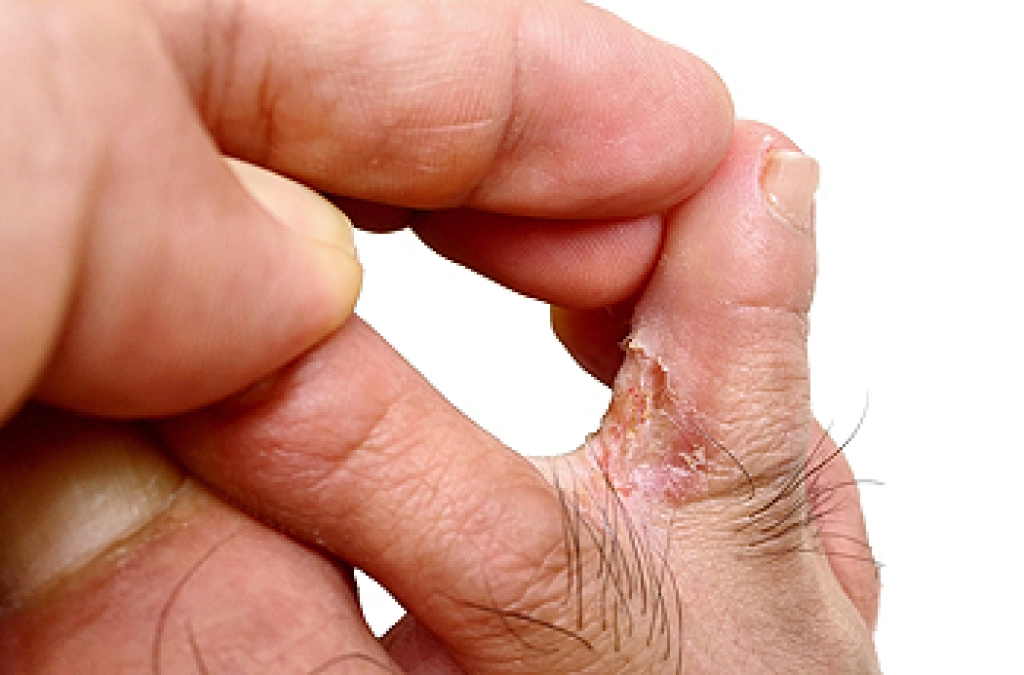
Athlete's foot is a fungal infection that affects the skin of the feet, particularly between the toes. This condition develops when fungi grow in warm, moist environments that allow organisms to multiply and irritate the skin. Symptoms include itching, burning, redness, peeling skin, cracking, and discomfort while walking. Causes include prolonged moisture exposure, shared locker rooms, tight footwear, and inadequate foot hygiene. Risk factors can include excessive sweating, walking barefoot in public shower areas, and wearing non-breathable shoes for extended periods of time. Environments like gyms, swimming areas, and communal changing rooms may increase exposure. A podiatrist can diagnose the infection, recommend antifungal treatment, and guide prevention strategies. Athlete's foot can be uncomfortable. If you have any of the above symptoms, it is suggested that you consult a podiatrist who can provide effective relief and treatment solutions, which may include prescribed medication.

Athlete’s foot is an inconvenient condition that can be easily reduced with the proper treatment. If you have any concerns about your feet and ankles, contact one of our podiatrists from Farah Podiatry Associates.  Our doctors will treat your foot and ankle needs.

Athlete’s Foot: The Sole Story

Athlete's foot, also known as tinea pedis, can be an extremely contagious foot infection. It is commonly contracted in public changing areas and bathrooms, dormitory style living quarters, around locker rooms and public swimming pools, or anywhere your feet often come into contact with other people.

Solutions to Combat Athlete’s Foot

  • Hydrate your feet by using lotion
  • Exfoliate
  • Buff off nails
  • Use of anti-fungal products
  • Examine your feet and visit your doctor if any suspicious blisters or cuts develop

Athlete’s foot can cause many irritating symptoms such as dry and flaking skin, itching, and redness. Some more severe symptoms can include bleeding and cracked skin, intense itching and burning, and even pain when walking. In the worst cases, Athlete’s foot can cause blistering as well. Speak to your podiatrist for a better understanding of the different causes of Athlete’s foot, as well as help in determining which treatment options are best for you.

If you have any questions please feel free to contact our office located in Trenton, MI . We offer the newest diagnostic and treatment technologies for all your foot and ankle needs.

Read more about Athlete's Foot

When a Bent Toe Becomes a Daily Problem

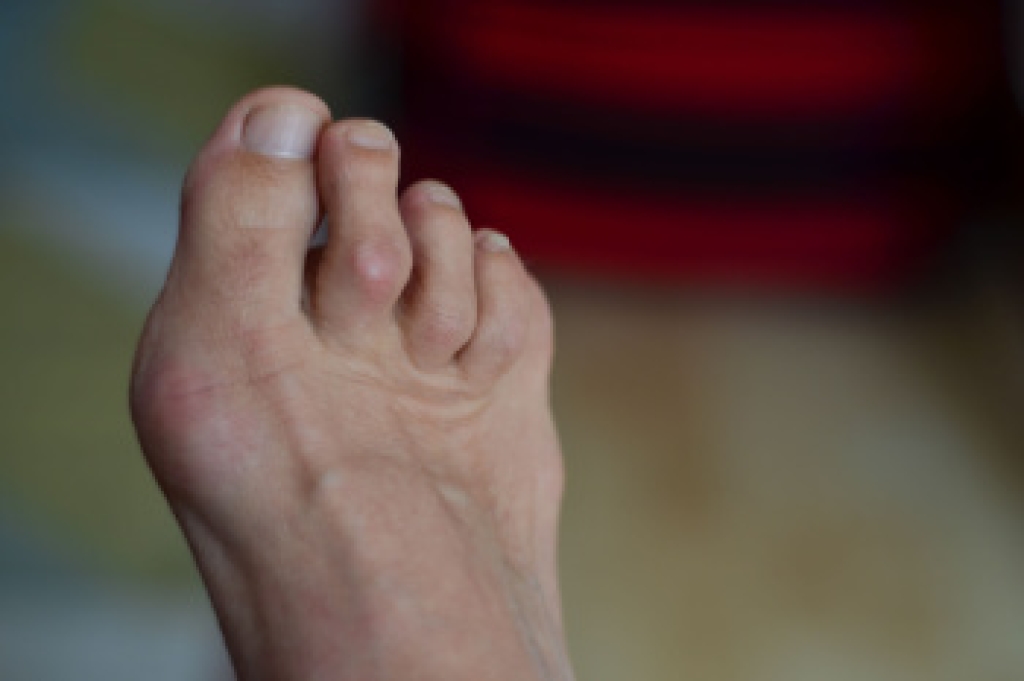
A hammertoe is a condition in which one of the smaller toes bends at the middle joint, creating a curled or claw-like appearance. This change often develops slowly as tendons and muscles become imbalanced. Wearing tight or narrow shoes can push the toes into a cramped position and worsen the deformity. Over time, the toe may become stiff and difficult to straighten. Common symptoms include pain while walking, corns on the top of the toe, and redness from shoe pressure. In early stages, the toe may still be flexible. As the condition progresses, the joint can become rigid. Conservative care may include wearing roomier footwear, using protective padding, and performing gentle stretching exercises. Custom orthotics can also reduce strain on the forefoot. Addressing the problem early may prevent worsening discomfort. If you notice a toe that is bending and causing pain, it is suggested that you see a podiatrist for a proper diagnosis and appropriate treatment.

Hammertoes can be a painful condition to live with. For more information, contact one of our podiatrists of Farah Podiatry Associates. Our doctors will answer any of your foot- and ankle-related questions.

Hammertoe

Hammertoe is a foot deformity that occurs due to an imbalance in the muscles, tendons, or ligaments that normally hold the toe straight. It can be caused by the type of shoes you wear, your foot structure, trauma, and certain disease processes.

Symptoms

  • Painful and/or difficult toe movement
  • Swelling
  • Joint stiffness
  • Calluses/Corns
  • Physical deformity

Risk Factors

  • Age – The risk of hammertoe increases with age
  • Sex – Women are more likely to have hammertoe compared to men
  • Toe Length – You are more likely to develop hammertoe if your second toe is longer than your big toe
  • Certain Diseases – Arthritis and diabetes may make you more likely to develop hammertoe

Treatment

If you have hammertoe, you should change into a more comfortable shoe that provides enough room for your toes. Exercises such as picking up marbles may strengthen and stretch your toe muscles. Nevertheless, it is important to seek assistance from a podiatrist in order to determine the severity of your hammertoe and see which treatment option will work best for you.

If you have any questions, please feel free to contact our office located in Trenton, MI . We offer the newest diagnostic and treatment technologies for all your foot care needs.
Read more about What Are Hammertoes?

Painful Bone Spurs

Bone spurs are bony growths that develop along the edges of bones, often in the foot or heel. They usually form over time due to repeated stress, inflammation, or pressure on a joint or tendon. In the foot, bone spurs are commonly associated with plantar fasciitis, arthritis, or chronic tendon irritation. Some bone spurs cause no symptoms, while others lead to sharp pain, especially with the first steps in the morning or after long periods of standing. The area may feel tender, and discomfort can increase when wearing certain shoes. Although the spur itself is a bony projection, the pain often comes from surrounding inflammation rather than the bone growth alone. A podiatrist can diagnose bone spurs through examination and imaging studies. Treatment may include supportive footwear, custom orthotics, anti-inflammatory care, and targeted exercises to relieve strain. In more persistent cases, additional procedures may be considered. If you have bone spurs, it is suggested that you make an appointment with a podiatrist for proper evaluation and treatment.

Heel spurs can be incredibly painful and sometimes may make you unable to participate in physical activities. To get medical care for your heel spurs, contact one of our podiatrists from Farah Podiatry Associates. Our doctors will do everything possible to treat your condition.

Heels Spurs

Heel spurs are formed by calcium deposits on the back of the foot where the heel is. This can also be caused by small fragments of bone breaking off one section of the foot, attaching onto the back of the foot. Heel spurs can also be bone growth on the back of the foot and may grow in the direction of the arch of the foot.

Older individuals usually suffer from heel spurs and pain sometimes intensifies with age. One of the main condition's spurs are related to is plantar fasciitis.

Pain

The pain associated with spurs is often because of weight placed on the feet. When someone is walking, their entire weight is concentrated on the feet. Bone spurs then have the tendency to affect other bones and tissues around the foot. As the pain continues, the feet will become tender and sensitive over time.

Treatments

There are many ways to treat heel spurs. If one is suffering from heel spurs in conjunction with pain, there are several methods for healing. Medication, surgery, and herbal care are some options.

If you have any questions, please feel free to contact our office located in Trenton, MI . We offer the newest diagnostic and treatment technologies for all your foot care needs.
Read more about How to Treat Heel Spurs

Managing Diabetic Foot Complications Before They Escalate

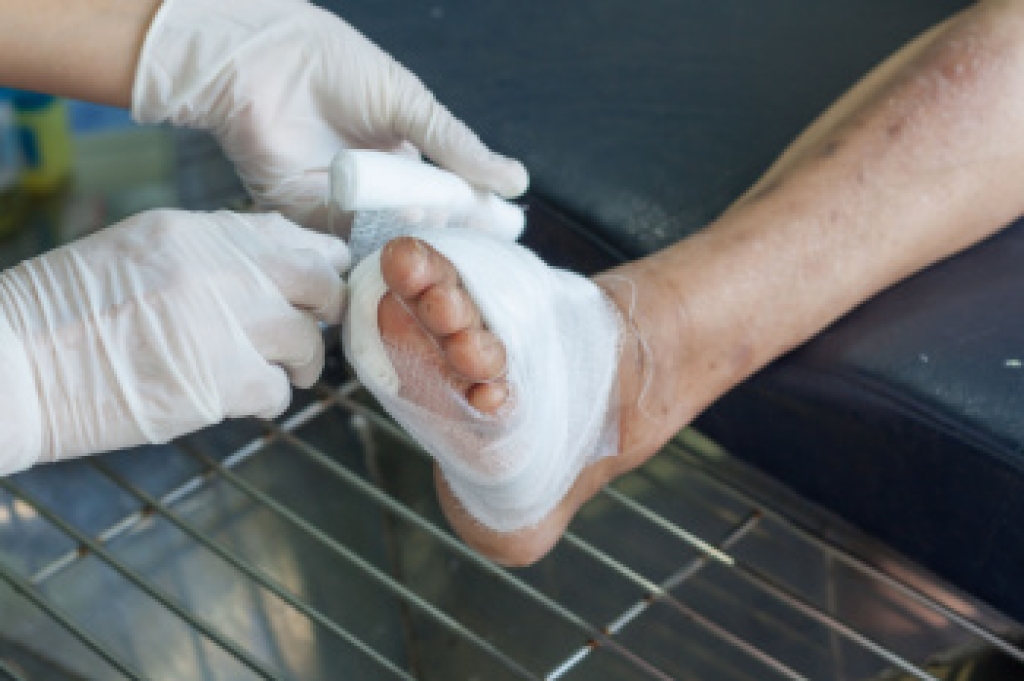
Diabetes can affect circulation, nerve function, and the skin of the feet, increasing the risk of sores, infections, and delayed healing. Effective management focuses on prevention, early detection, and consistent care. Daily foot checks help identify redness, pressure areas, or breaks in the skin before they worsen. Wearing supportive footwear reduces friction and uneven pressure that can lead to injury. Keeping blood sugar levels well controlled supports tissue health and healing capacity. Regular nail care and skin maintenance help limit cracks and ingrown nails that may become entry points for infection. Prompt treatment of even minor issues is critical, since reduced sensation may mask developing problems. With proper attention, many complications can be avoided or managed successfully. If you have diabetes and experience changes in the feet, or have ongoing discomfort, it is suggested that you see a podiatrist for proper diagnosis and appropriate treatment.

Diabetic foot care is important in preventing foot ailments such as ulcers. If you are suffering from diabetes or have any other concerns about your feet, contact one of our podiatrists from Farah Podiatry Associates. Our doctors can provide the care you need to keep you pain-free and on your feet.

Diabetic Foot Care

Diabetes affects millions of people every year. The condition can damage blood vessels in many parts of the body, especially the feet. Because of this, taking care of your feet is essential if you have diabetes, and having a podiatrist help monitor your foot health is highly recommended.

The Importance of Caring for Your Feet

  • Routinely inspect your feet for bruises or sores.
  • Wear socks that fit your feet comfortably.
  • Wear comfortable shoes that provide adequate support.

Patients with diabetes should have their doctor monitor their blood levels, as blood sugar levels play such a huge role in diabetic care. Monitoring these levels on a regular basis is highly advised.

It is always best to inform your healthcare professional of any concerns you may have regarding your feet, especially for diabetic patients. Early treatment and routine foot examinations are keys to maintaining proper health, especially because severe complications can arise if proper treatment is not applied.

If you have any questions, please feel free to contact our office located in Trenton, MI . We offer the newest diagnostic and treatment technologies for all your foot care needs.

Read more about Diabetic Foot Conditions
scroll to top