
Have you noticed a bony protrusion on the side of your big toe? If so, you may have developed the foot condition known as a bunion. Don't let bunions interfere with your daily activities.
Have you noticed a bony protrusion on the side of your big toe? If so, you may have developed the foot condition known as a bunion. Don't let bunions interfere with your daily activities.

Foot drop makes it difficult to lift the front of the foot and toes. It usually affects one foot and changes the way a person walks. The toes may drag along the ground, or the knee may rise higher than usual to clear the foot. Some patients also notice weakness, numbness, or tingling. Because the foot does not lift normally, a person may stumble on curbs, rugs, or uneven ground. Foot drop is not a disease itself. It is a sign of a problem affecting the nerves, muscles, or brain.
A frequent cause is damage or pressure on the nerve that controls the muscles used to lift the foot. This nerve can be affected by a sports injury, a slipped disc, or pressure from crossing the legs. Diabetes can also damage nerves and lead to foot drop. Less frequently, the problem is connected to a stroke, multiple sclerosis, or an inherited nerve disorder. A podiatrist can examine the foot and leg, test muscle strength, and watch how the patient walks. Imaging or nerve tests can identify the cause and guide treatment.
A podiatrist focuses on improving safety, supporting the foot, and addressing related foot problems. This foot doctor may recommend a custom brace that holds the foot in a better position while walking. An ankle-foot brace can reduce toe dragging and help the patient take a steadier step. Custom orthotics or shoe modifications can improve stability and distribute pressure more evenly. The podiatrist can also check for calluses, sores, or irritation caused by an altered walking pattern. Regular foot checks are especially important when numbness makes injuries harder to feel. Surgery may be considered when severe nerve or joint damage causes lasting movement problems. If you have symptoms of foot drop, it is suggested that you schedule an appointment with a podiatrist for effective management solutions.
If you have any concerns about your feet, contact one of our podiatrists from Farah Podiatry Associates. Our doctors can provide the care you need to keep you pain-free and on your feet.
Biomechanics in Podiatry
Podiatric biomechanics is a particular sector of specialty podiatry with licensed practitioners who are trained to diagnose and treat conditions affecting the foot, ankle and lower leg. Biomechanics deals with the forces that act against the body, causing an interference with the biological structures. It focuses on the movement of the ankle, the foot and the forces that interact with them.
A History of Biomechanics
Modern technological improvements are based on past theories and therapeutic processes that provide a better understanding of podiatric concepts for biomechanics. Computers can provide accurate information about the forces and patterns of the feet and lower legs.
Understanding biomechanics of the feet can help improve and eliminate pain, stopping further stress to the foot.
If you have any questions please feel free to contact our office located in Trenton, MI . We offer the newest diagnostic and treatment technologies for all your foot and ankle needs.

Foot color changes can sometimes provide an important clue about circulation and underlying health conditions. Systemic sclerosis, also called scleroderma, is a chronic autoimmune condition that can cause changes in the skin and connective tissues. It can also affect blood vessels, particularly those supplying the fingers and toes. People with systemic sclerosis may notice that their feet or toes change color when exposed to cold temperatures or during periods of stress. The skin may appear pale, blue, or purple, as blood flow changes. These episodes can occur with other symptoms, such as cold feet, numbness, or discomfort.
One common circulation-related symptom associated with systemic sclerosis is Raynaud phenomenon. During an episode, blood vessels in the toes can narrow temporarily, reducing blood flow and causing the affected area to become pale or bluish. As circulation returns, the toes may become red and feel warm, uncomfortable, or tingly. Foot color changes can also have many other causes, so they should not automatically be assumed to be related to systemic sclerosis. A professional evaluation can help identify the reason for the change.
Risk factors for circulation problems associated with systemic sclerosis include having the condition itself, repeated exposure to cold, and vascular involvement. Symptoms that deserve attention include persistent color changes, unusual coldness, and tingling. In more serious cases, reduced blood flow can contribute to ulcers or tissue damage. A podiatrist can examine the feet for changes in skin condition, temperature, and areas of pressure.
Foot color changes should not be ignored, particularly when they are new, persistent, painful, or accompanied by wounds. Early evaluation can help identify circulation concerns and reduce the risk of complications. Treatment depends on the underlying cause and may include protecting the feet from cold, addressing pressure areas, and providing appropriate footwear. If you have unexplained foot color changes, it is suggested that you consult a podiatrist who can provide effective management solutions.
When dealing with systemic disease of the feet, it is extremely important to check the affected areas routinely so that any additional problems are caught quickly. If you have any concerns about your feet and ankles contact one of our podiatrists from Farah Podiatry Associates. Our doctors will assist you with all of your podiatric needs.
Systemic Diseases of the Feet
Systemic diseases affect the whole body, and symptoms usually are displayed in the feet. This condition can make a patient’s ability to walk unbearable. Systemic diseases include gout, diabetes mellitus, neurological disorders, and arthritis.
Gout – is caused by an excess of uric acid in the body. Common symptoms include pain, inflammation, and redness at the metatarsal/phalangeal joint of the base big toe. Gout can be treated by NSAIDs to relieve pain and inflammation, and other drugs that lower the acid levels in the body.
Diabetes mellitus – is an increase in the level of blood sugar that the body cannot counteract with its own insulin. Failure to produce enough insulin is a factor in Diabetes.
Diabetes of the Feet
Diabetic Neuropathy – may lead to damaged nerves and affect the feet through numbness and loss of sensation.
Peripheral Vascular Disease – can restrict the blood flow to the feet, and often times lead to amputation of the feet.
If you have any questions please contact our office located in Trenton, MI . We offer the newest diagnostic and treatment technologies for all your foot and ankle needs.

Corns and calluses are areas of thickened skin that develop when the feet experience repeated pressure or friction. Although they are similar, they often appear in different ways. Calluses usually cover a wider area and commonly develop on weight-bearing parts of the foot, such as the sole. Corns are typically smaller and may form on or between the toes. They can have a firm center that becomes painful when pressed. Poorly fitting footwear, changes in foot structure, and certain walking patterns can increase pressure on specific areas. Corns and calluses are the skin’s response to repeated stress, but ongoing discomfort may indicate that the source of pressure needs professional attention.
Symptoms depend on the location and thickness of the affected skin. A callus may feel rough or hardened, while a corn can cause more focused pain when walking or wearing shoes. Some corns develop between the toes, where moisture can make the skin softer. Changes in toe position or foot shape may also create areas where skin repeatedly rubs against footwear. People with diabetes or poor circulation should take areas of damaged or thickened skin seriously, because foot complications can become more difficult to manage. Recurring corns and calluses should be evaluated to identify what is causing continued pressure or friction.
A podiatrist can examine corns and calluses and determine whether foot structure, footwear, or walking mechanics are contributing to the problem. Professional podiatric care may include safely reducing thickened skin and addressing areas of excessive pressure. A podiatrist can also evaluate related conditions, such as bunions or toe deformities, that may contribute to recurring symptoms. Treatment is based on the location and cause of the problem, with the goal of improving comfort and protecting foot health. If painful or recurring corns and calluses are making walking or wearing shoes uncomfortable, it is suggested that you consult a podiatrist for an evaluation and appropriate treatment options.
If you have any concerns regarding your feet and ankles, contact one of our podiatrists of Farah Podiatry Associates. Our doctors will treat your foot and ankle needs.
Corns: What Are They? and How Do You Get Rid of Them?
Corns can be described as areas of the skin that have thickened to the point of becoming painful or irritating. They are often layers and layers of the skin that have become dry and rough, and are normally smaller than calluses.
Ways to Prevent Corns
There are many ways to get rid of painful corns such as wearing:
Treating Corns
Treatment of corns involves removing the dead skin that has built up in the specific area of the foot. Consult with Our doctors to determine the best treatment option for your case of corns.
If you have any questions, please feel free to contact our office located in Trenton, MI . We offer the newest diagnostic and treatment technologies for all your foot care needs.
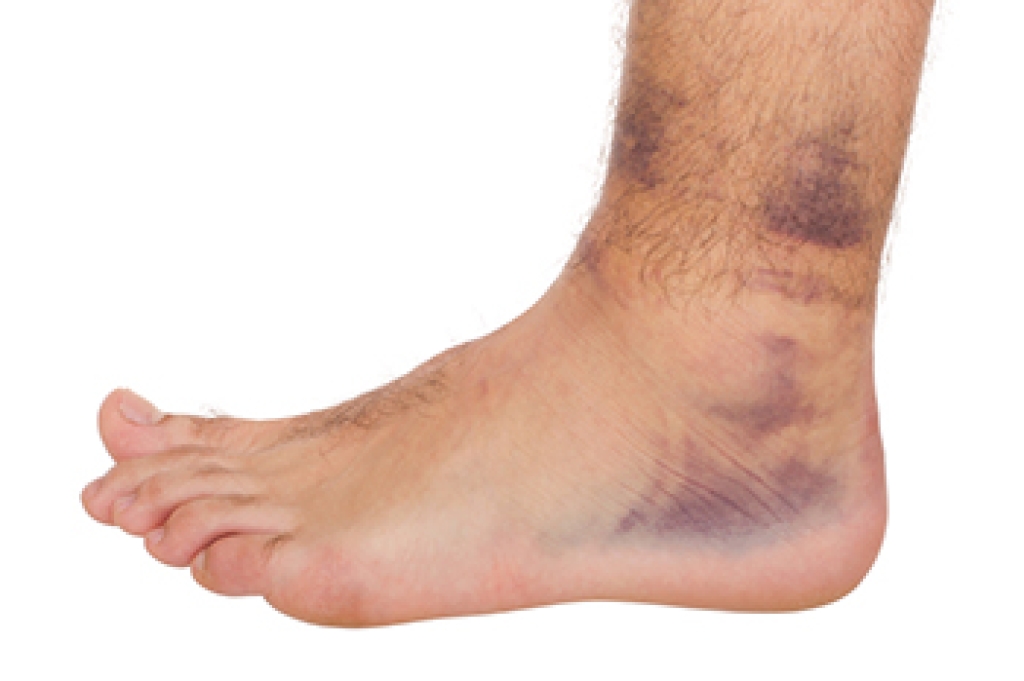
An ankle sprain happens when the strong bands of tissue that help hold the ankle together are stretched or torn. This can happen when the foot twists, rolls, or turns in an unusual direction. Ankle sprains can occur while playing sports, walking on uneven ground, or stepping awkwardly. Pain, swelling, and difficulty putting weight on the foot can develop after an injury. The severity depends on how much the supporting tissue has been damaged. A mild sprain can cause stretching, while a more serious sprain can involve a partial or complete tear. A podiatrist can examine the ankle and determine the severity of the injury.
A podiatrist can check the ankle’s movement, stability, and areas of tenderness. This examination helps determine whether the injury is a sprain or another problem, like a broken bone. Treatment depends on the severity of the sprain and how the ankle is functioning. Care can include protecting the injured ankle, supporting the joint, and using a structured plan to restore movement and strength. A podiatrist can also evaluate how the foot and ankle work together while walking. This can help identify problems that could affect recovery or increase stress on the ankle. More serious sprains require closer monitoring because the ankle can remain weak or unstable after the initial injury.
Some ankle sprains cause significant swelling, severe pain, or difficulty putting weight on the foot. A podiatrist can determine whether imaging is appropriate when a fracture or another injury is suspected. Severe sprains can sometimes require a brace or other support while the ankle heals. Returning to sports too quickly can place stress on an ankle that has not fully recovered. A podiatrist can help guide the recovery process and determine when the ankle is ready for increased activity. If you have sprained your ankle, it is suggested that you schedule an appointment with a podiatrist for effective relief and treatment solutions.
Ankle sprains are common but need immediate attention. If you need your feet checked, contact one of our podiatrists from Farah Podiatry Associates. Our doctors can provide the care you need to keep you pain-free and on your feet.
How Does an Ankle Sprain Occur?
Ankle sprains take place when the ligaments in your ankle are torn or stretched beyond their limits. There are multiple ways that the ankle can become injured, including twisting or rolling over onto your ankle, putting undue stress on it, or causing trauma to the ankle itself.
What Are the Symptoms?
Preventing a Sprain
Treatment of a Sprain
Treatment of a sprain depends on the severity. Many times, people are told to rest and remain off their feet completely, while others are given an air cast. If the sprain is very severe, surgery may be required.
If you have suffered an ankle sprain previously, you may want to consider additional support such as a brace and regular exercises to strengthen the ankle.
If you have any questions please feel free to contact our office located in Trenton, MI . We offer the newest diagnostic tools and technology to treat your foot and ankle needs.
