
Suffering from this type of pain? You may have the foot condition known as Morton's neuroma. Morton's neuroma may develop as a result of ill-fitting footwear and existing foot deformities. We can help.
Suffering from this type of pain? You may have the foot condition known as Morton's neuroma. Morton's neuroma may develop as a result of ill-fitting footwear and existing foot deformities. We can help.
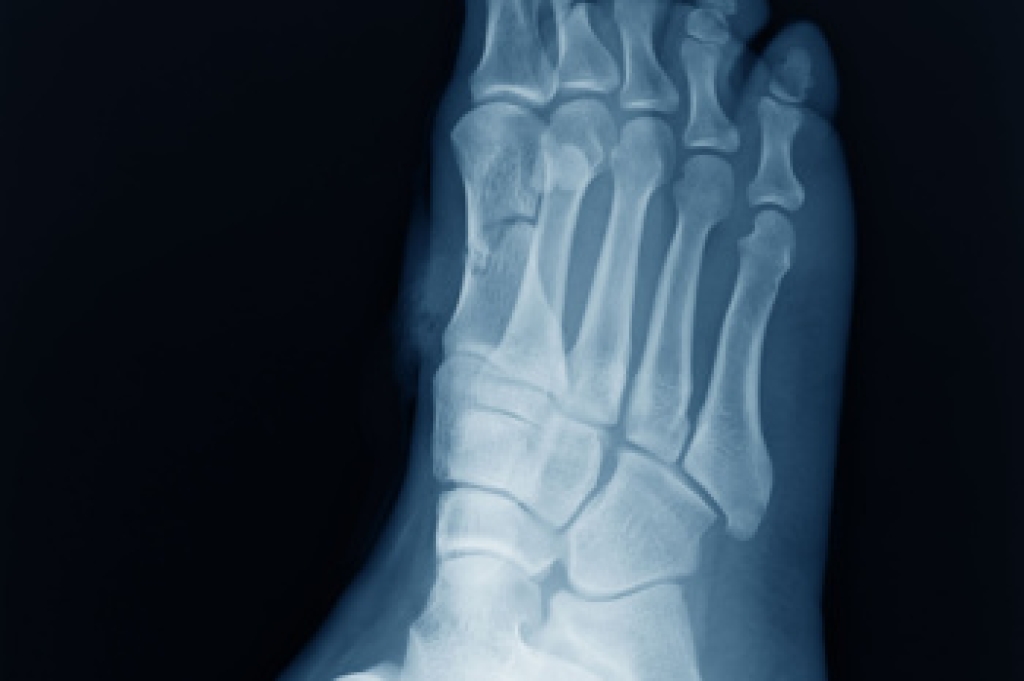
Cuboid syndrome affects one of the small bones on the outer side of the foot called the cuboid. This bone helps support normal foot movement and works with nearby joints while walking. Cuboid syndrome develops when the cuboid bone shifts slightly out of its normal position or the surrounding tissues become irritated. This problem can happen after an ankle sprain or repeated stress from sports and other physical activities. Wearing shoes that lack proper support also can increase stress on the foot. Pain usually develops along the outer side of the foot and becomes worse while walking or standing. Some patients notice weakness, tenderness, or difficulty pushing off the foot. The pain can resemble other foot conditions, making a professional evaluation important.
A podiatrist performs a detailed examination to determine whether cuboid syndrome is causing the pain. The evaluation includes checking the location of the discomfort, the movement of the foot, and the stability of the surrounding joints. The podiatrist also watches how the patient stands and walks because changes in movement can place extra stress on the cuboid bone. Imaging tests, like X-rays or MRI scans, help rule out fractures and other conditions that cause similar symptoms. Although these tests do not always confirm cuboid syndrome, they provide valuable information when making a diagnosis. Identifying the correct source of pain allows the podiatrist to recommend the most effective treatment.
Treatment focuses on restoring normal foot function and reducing stress on the injured area. A podiatrist can gently reposition the cuboid bone when it has shifted from its normal alignment. Care also includes custom orthotics that improve foot support and reduce pressure on the outer side of the foot. Stretching and strengthening exercises help improve stability and lower the chance of repeated problems. Patients with ongoing pain are evaluated for other foot conditions that could require additional treatment. If you have symptoms of cuboid syndrome, it is suggested that you schedule an appointment with a podiatrist for a diagnosis and appropriate treatment.
Cuboid syndrome, also known as cuboid subluxation, occurs when the joints and ligaments near the cuboid bone in the foot become torn. If you have cuboid syndrome, consult with one of our podiatrists from Farah Podiatry Associates. Our doctors will assess your condition and provide you with quality foot and ankle treatment.
Cuboid syndrome is a common cause of lateral foot pain, which is pain on the outside of the foot. The condition may happen suddenly due to an ankle sprain, or it may develop slowly overtime from repetitive tension through the bone and surrounding structures.
Causes
The most common causes of cuboid syndrome include:
Symptoms
A common symptom of cuboid syndrome is pain along the outside of the foot which can be felt in the ankle and toes. This pain may create walking difficulties and may cause those with the condition to walk with a limp.
Diagnosis
Diagnosis of cuboid syndrome is often difficult, and it is often misdiagnosed. X-rays, MRIs and CT scans often fail to properly show the cuboid subluxation. Although there isn’t a specific test used to diagnose cuboid syndrome, your podiatrist will usually check if pain is felt while pressing firmly on the cuboid bone of your foot.
Treatment
Just as the range of causes varies widely, so do treatments. Some more common treatments are ice therapy, rest, exercise, taping, and orthotics.
If you have any questions, please feel free to contact our office located in Trenton, MI . We offer the newest diagnostic and treatment technologies for all your foot care needs.

Cracked heels develop when the skin around the heel becomes dry, thick, and unable to stretch normally. As pressure builds while standing and walking, the skin can split and form painful cracks. These cracks can be shallow or deep enough to bleed and make daily activities uncomfortable. Dry skin, standing for long periods, and excess pressure on the heels all increase the risk of cracked heels. Wearing shoes that lack proper support or shoes with open backs can also place added stress on the heel. Symptoms include rough skin, thick calluses, and visible cracks around the edge of the heel. Some patients also notice redness or tenderness. When the cracks become deep, the risk of infection increases because bacteria can enter through the broken skin.
A podiatrist performs a detailed examination to determine the cause and severity of the cracked heels. The evaluation includes checking the skin, foot structure, and the way the patient stands and walks. The podiatrist also looks for medical conditions that can contribute to dry, damaged skin, like diabetes or poor circulation. In some cases, additional testing helps identify an underlying condition that requires treatment. A complete evaluation allows the podiatrist to create a treatment plan that addresses both the cracks and the factors that caused them. Early treatment helps reduce pain and lowers the chance of infection or deeper skin damage.
Treatment focuses on improving skin health while reducing pressure on the heels. A podiatrist can safely remove thickened skin that increases stress around the cracks. Care also includes custom orthotics that improve foot alignment and distribute pressure more evenly across the foot. The podiatrist can recommend shoes that provide proper support and reduce stress on the heels while walking. Patients with severe cracks, signs of infection, or medical conditions that affect healing receive additional treatment to protect the skin and restore foot health. If you have symptoms of cracked heels, it is suggested that you schedule an appointment with a podiatrist for diagnosis and treatment.
Cracked heels are unsightly and can cause further damage to your shoes and feet. If you have any concerns, contact one of our podiatrists from Farah Podiatry Associates. Our doctors can provide the care you need to keep you pain-free and on your feet.
Cracked Heels
Cracked heels appear unappealing and can make it harder for you walk around in sandals. Aside from looking unpleasant, cracked heels can also tear stockings, socks, and wear out your shoes. There are several methods to help restore a cracked heel and prevent further damage.
How Do You Get Them?
Dry skin is the number one culprit in creating cracked heels. Many athletes, walkers, joggers, and even swimmers suffer from cracked heels. Age and skin oil production play a role to getting cracked heels as well.
Promote Healing
Over the counter medicines can help, especially for those that need instant relief or who suffer from chronic dry feet.
Wear Socks – Wearing socks with medicated creams helps lock in moisture.
Moisturizers – Applying both day and night will help alleviate dryness which causes cracking.
Pumice Stones – These exfoliate and remove dead skin, which allows for smoother moisturizer application and better absorption into the skin.
Change in Diet
Eating healthy with a well-balanced diet will give the skin a fresh and radiant look. Your body responds to the kinds of food you ingest. Omega-3 fatty acids and zinc supplements can also revitalize skin tissue.
Most importantly, seek professional help if unsure how to proceed in treating cracked heels. A podiatrist will help you with any questions or information needed.
If you have any questions, please feel free to contact our office located in Trenton, MI . We offer the newest diagnostic and treatment technologies for all your foot care needs.
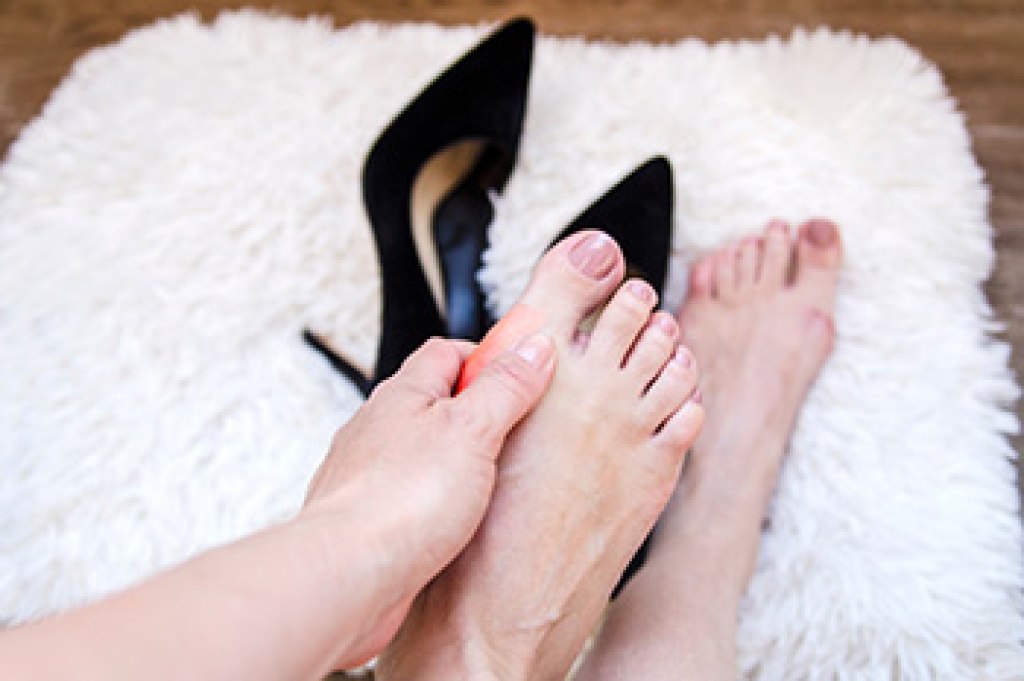
High heels have long been associated with beauty, style, and confidence, but they can also place extra stress on the feet and the rest of the body. Raising the heel shifts body weight forward and increases pressure on the toes and the ball of the foot. The higher the heel, the greater the force placed on these areas. This added pressure can lead to painful problems like corns, calluses, blisters, and pinched nerves. High heels can also contribute to heel pain, stiffness, or discomfort while walking. Narrow shoes can crowd the toes and increase the risk of hammertoes and bunions, which are painful deformities of the big toe.
Unfortunately, the negative effects of high heels extend beyond the feet. Keeping the foot pointed downward places the both calf muscles and the Achilles tendon in a shortened position. This can contribute to Achilles tendon pain and Haglund's deformity, a painful bony bump on the back of the heel. Walking in high heels also changes the way the knees move and absorb force. This places extra strain on the knee joints and muscles. The hips and lower back also adjust to maintain balance. As the body's center of gravity shifts forward, the back arches more than normal.
A podiatrist can evaluate the effects wearing high heels has had on your feet and ankles and identify problems before they become more serious. Treatment includes a detailed examination, diagnostic imaging when appropriate, and recommendations for shoes that provide proper support. A podiatrist also treats bunions, hammertoes, and other conditions caused or made worse by high heels. In some cases, surgery is the best option to restore comfort and improve foot function. If you have foot or ankle pain after wearing high heels, it is suggested that you schedule an appointment with a podiatrist for a diagnosis and appropriate treatment.
High heels have a history of causing foot and ankle problems. If you have any concerns about your feet or ankles, contact one of our podiatrists from Farah Podiatry Associates. Our doctors can provide the care you need to keep you pain-free and on your feet.
Effects of High Heels on the Feet
High heels are popular shoes among women because of their many styles and societal appeal. Despite this, high heels can still cause many health problems if worn too frequently.
Which Parts of My Body Will Be Affected by High Heels?
What Kinds of Foot Problems Can Develop from Wearing High Heels?
How Can I Still Wear High Heels and Maintain Foot Health?
If you want to wear high heeled shoes, make sure that you are not wearing them every day, as this will help prevent long term physical problems. Try wearing thicker heels as opposed to stilettos to distribute weight more evenly across the feet. Always make sure you are wearing the proper shoes for the right occasion, such as sneakers for exercising. If you walk to work, try carrying your heels with you and changing into them once you arrive at work. Adding inserts to your heels can help cushion your feet and absorb shock. Full foot inserts or metatarsal pads are available.
If you have any questions, please feel free to contact our office located in Trenton, MI . We offer the newest diagnostic and treatment technologies for all your foot care needs.
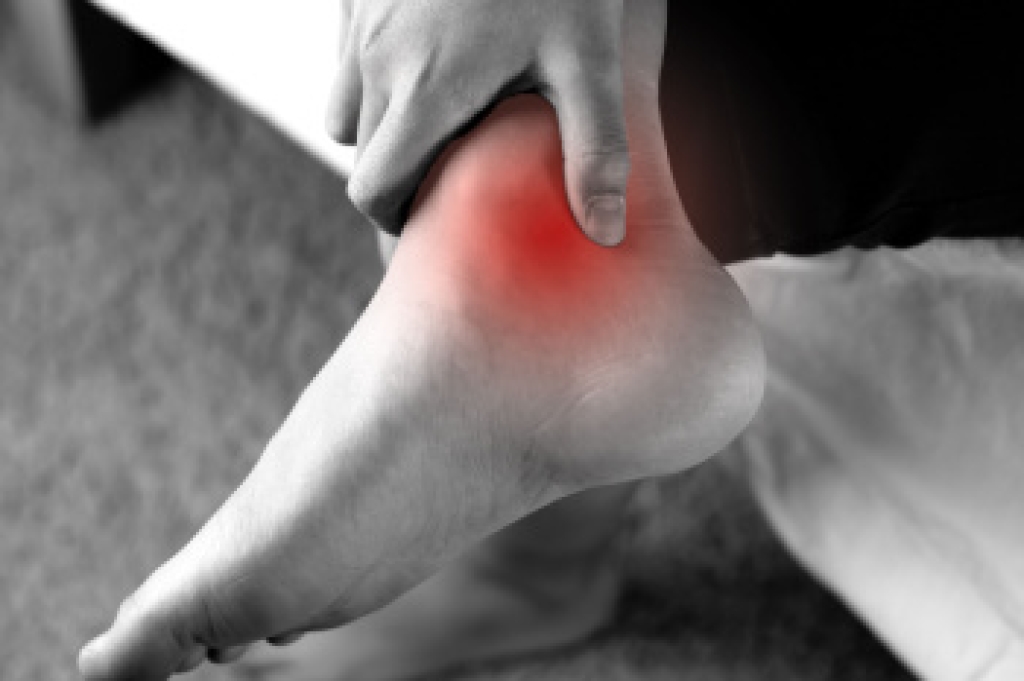
Tarsal tunnel syndrome develops when the posterior tibial nerve becomes compressed near the inner ankle. It is similar to carpal tunnel syndrome in the wrist. The affected nerve plays a key role in sensation and movement within the foot. When pressure builds inside the tarsal tunnel, it disrupts normal nerve function and leads to discomfort. The condition may develop gradually, making it easy to overlook in its early stages. Understanding how it feels and what contributes to it can help individuals seek care at the right time.
Many people with this condition report a burning or tingling sensation that travels along the inside of the ankle into the arch of the foot. Some describe sharp pain that worsens with activity and improves with rest. Others may feel numbness or a pins-and-needles sensation that becomes more noticeable at night. The discomfort can vary in intensity, but it often interferes with walking, standing, or exercise. Over time, the symptoms may become more persistent and difficult to ignore.
The causes of tarsal tunnel syndrome are often related to pressure or structural changes in the foot. Flat feet are a common factor because they alter foot mechanics and increase strain on the nerve. Swelling from injuries, tendon inflammation, or joint conditions can also narrow the tunnel space. Risk factors include obesity, repetitive stress, prolonged standing, and wearing poorly fitting shoes. Certain medical conditions, including diabetes and arthritis, may further increase the likelihood of nerve compression.
Managing this condition requires a clear understanding of its cause and severity. Early treatment may include rest, wearing supportive footwear, and custom orthotics to reduce pressure. In more advanced cases, medical intervention may be necessary to prevent long-term nerve damage. If you have pain in this part of your foot, it is suggested that you consult a podiatrist who can accurately diagnose and treat tarsal tunnel syndrome.
Tarsal tunnel syndrome can be very uncomfortable to live with. If you are experiencing tarsal tunnel syndrome, contact one of our podiatrists of Farah Podiatry Associates. Our doctors can provide the care you need to keep you pain-free and on your feet.
Tarsal Tunnel Syndrome
Tarsal tunnel syndrome, which can also be called tibial nerve dysfunction, is an uncommon condition of misfiring peripheral nerves in the foot. The tibial nerve is the peripheral nerve in the leg responsible for sensation and movement of the foot and calf muscles. In tarsal tunnel syndrome, the tibial nerve is damaged, causing problems with movement and feeling in the foot of the affected leg.
Common Cause of Tarsal Tunnel Syndrome
The Effects of Tarsal Tunnel Syndrome
A physical exam of the leg can help identify the presence of tarsal tunnel syndrome. Medical tests, such as a nerve biopsy, are also used to diagnose the condition. Patients may receive physical therapy and prescriptive medication. In extreme cases, some may require surgery.
If you have any questions please contact our office located in Trenton, MI . We offer the newest diagnostic and treatment technologies for all your foot and ankle needs.
