
If left untreated, an ingrown toenail can lead to more serious concerns, such as an infection. Knowing proper nail care can help in the prevention of an ingrown toenail. Give us a call, and get treated!
If left untreated, an ingrown toenail can lead to more serious concerns, such as an infection. Knowing proper nail care can help in the prevention of an ingrown toenail. Give us a call, and get treated!
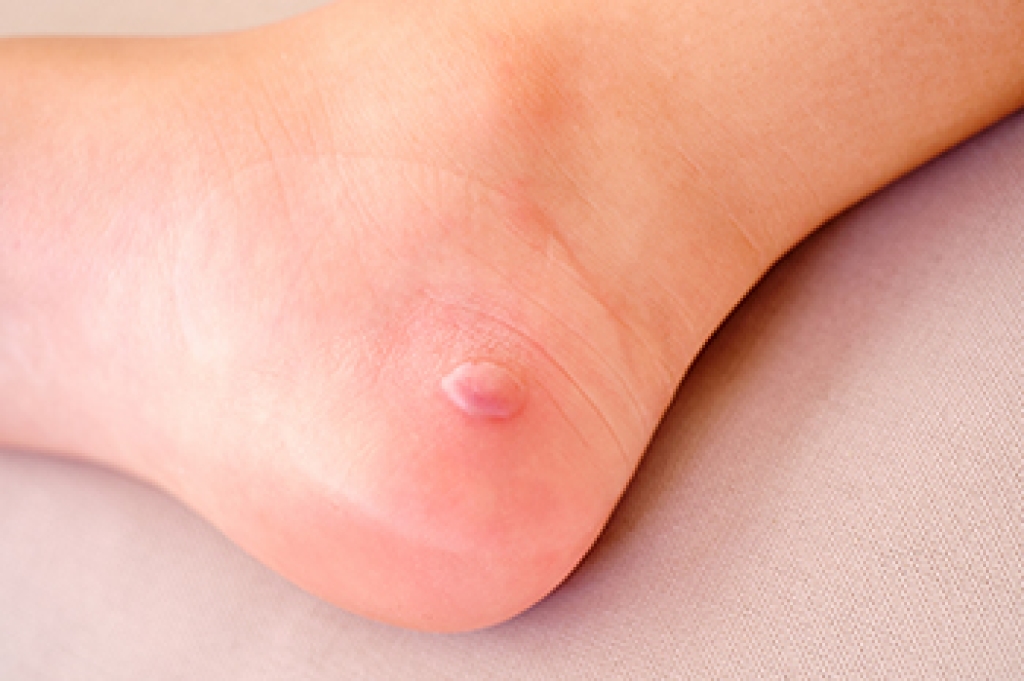
Blisters are small pockets of fluid that develop beneath the outer layer of the skin, most often because of repeated friction or pressure. They commonly appear on the heels, toes, or the ball of the foot after prolonged walking, running, or wearing shoes that rub against the skin. Although many blisters are minor, they can become painful and make everyday activities more difficult. Symptoms may include tenderness, swelling, and a clear fluid-filled bubble on the skin. In some cases, the blister may break open, increasing the risk of infection if not properly managed. Because other foot conditions can resemble blisters, a professional evaluation is important when pain is severe, symptoms persist, or signs of infection develop.
Several factors can increase the likelihood of developing foot blisters. Poorly fitting footwear, excessive moisture, and repetitive physical activity may all increase friction on the skin. Individuals with diabetes or reduced circulation may have a greater risk of complications because wounds can heal more slowly. Persistent discomfort may also change the way a person walks, placing additional stress on the foot and ankle. A comprehensive podiatry examination helps determine the cause of the blister while evaluating the surrounding skin for infection or other concerns. Early diagnosis and treatment are important to relieve discomfort and prevent more serious foot problems from developing.
A podiatrist specializes in diagnosing and treating foot blisters while protecting the overall health of the feet. Professional care focuses on relieving pain, preventing infection, and promoting proper healing based on each patient's condition. Treatment is tailored to the size, location, and severity of the blister, as well as any underlying medical conditions that may affect recovery. Regular podiatry visits can also help identify recurring problems and reduce the risk of future complications. If you have a painful foot blister, persistent symptoms, or signs of infection, it is suggested that you consult a podiatrist for an evaluation and appropriate treatment options.
Blisters are prone to making everyday activities extremely uncomfortable. If your feet are hurting, contact one of our podiatrists of Farah Podiatry Associates. Our doctors can provide the care you need to keep you pain-free and on your feet.
Foot Blisters
Foot blisters develop as a result of constantly wearing tight or ill-fitting footwear. This happens due to the constant rubbing from the shoe, which can often lead to pain.
What Are Foot Blisters?
A foot blister is a small fluid-filled pocket that forms on the upper-most layer of the skin. Blisters are filled with clear fluid and can lead to blood drainage or pus if the area becomes infected.
How Do Blisters Form?
Blisters on the feet are often the result of constant friction of skin and material, usually by shoe rubbing. Walking in sandals, boots, or shoes that don’t fit properly for long periods of time can result in a blister. Having consistent foot moisture and humidity can easily lead to blister formation.
Prevention & Treatment
It is important to properly care for the affected area in order to prevent infection and ease the pain. Do not lance the blister and use a Band-Aid to provide pain relief. Also, be sure to keep your feet dry and wear proper fitting shoes. If you see blood or pus in a blister, seek assistance from a podiatrist.
If you have any questions, please feel free to contact our office located in Trenton, MI . We offer the newest diagnostic and treatment technologies for all your foot care needs.
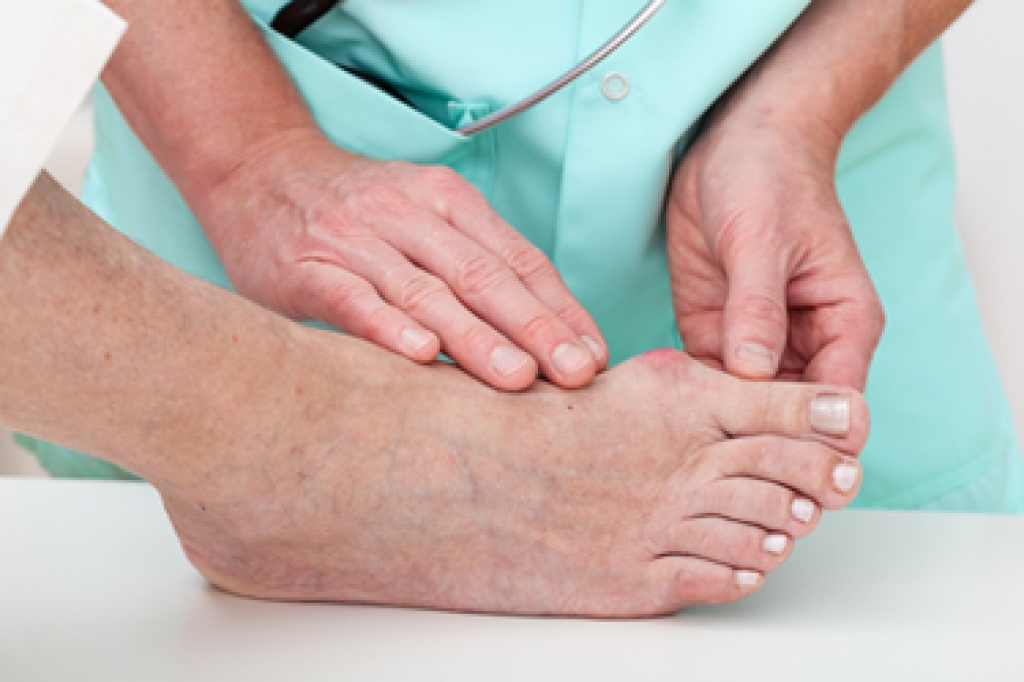
Bunions are a common foot condition that develop when the joint at the base of the big toe becomes enlarged and shifts out of alignment. This creates a visible bump on the side of the foot when the big toe angles toward the other toes. Bunions often result from structural imbalances in the foot, combined with pressure from wearing tight or narrow footwear. This misalignment can lead to discomfort and difficulty with walking. Understanding the definition and causes of bunions can help guide proper care and prevention strategies.
Symptoms of bunions include pain, swelling, redness, and restricted movement in the big toe joint. The skin over the bump may become irritated from friction, especially when wearing ill-fitting shoes. Risk factors include genetics, flat feet, wearing improper footwear, and occupations that require prolonged standing. These factors place stress on the forefoot and contribute to joint misalignment.
Bunion exercises can play an important role in managing symptoms by helping align, strengthen, and increase range of motion in the big toe. Big toe circles are performed by gently rotating the big toe in slow, controlled circles while seated, which helps improve flexibility and joint mobility. Toe spread-outs involve placing the foot flat on the ground and spreading the toes apart as far as possible, then holding the position briefly to strengthen surrounding muscles. Additionally, toe curl and point exercises require curling the toes inward and then extending them outward, which supports muscle control and coordination in the forefoot.
The benefits of these exercises include improved alignment, reduced stiffness, and enhanced muscle support for the big toe joint. Maintaining foot strength and flexibility is key to overall foot health. If you have bunion pain or changes in toe alignment, it is suggested that you consult a podiatrist for effective relief and management tips, which may include guidance on additional foot exercises.
Exercising your feet regularly with the proper foot wear is a great way to prevent injuries and build strength. If you have any concerns about your feet, contact one of our podiatrists from Farah Podiatry Associates. Our doctors can provide the care you need to keep you pain-free and on your feet.
Exercise for Your Feet
Exercise for your feet can help you gain strength, mobility and flexibility in your feet. They say that strengthening your feet can be just as rewarding as strengthening another part of the body. Your feet are very important, and we often forget about them in our daily tasks. But it is because of our feet that are we able to get going and do what we need to. For those of us fortunate enough to not have any foot problems, it is an important gesture to take care of them to ensure good health in the long run.
Some foot health exercises can include ankle pumps, tip-toeing, toe rises, lifting off the floor doing reps and sets, and flexing the toes. It is best to speak with Our doctors to determine an appropriate regimen for your needs. Everyone’s needs and bodies are different, and the activities required to maintain strength in the feet vary from individual to individual.
Once you get into a routine of doing regular exercise, you may notice a difference in your feet and how strong they may become.
If you have any questions, please feel free to contact our office located in Trenton, MI . We offer the newest diagnostic and treatment technologies for all your foot care needs.

Extra body weight places greater pressure on the feet, making everyday activities more difficult for many older men and women. The feet support the body's weight with every step, so increased loading can affect joints, muscles, ligaments, and other soft tissues. Research shows that higher body weight is linked to a greater chance of foot pain in older adults. It is also associated with problems like hammer toes and claw toes in some patients. Increased pressure beneath the feet can reduce comfort while walking and affect balance, mobility, and overall quality of life. These changes can make it harder to stay active and maintain independence.
A podiatrist evaluates foot structure, walking patterns, and pressure distribution to identify areas experiencing excessive stress. The examination also looks for changes in toe alignment, joint movement, and skin condition that could affect comfort. Treatment includes custom orthotics, footwear recommendations, and care for painful foot conditions that develop because of increased pressure. A podiatrist can also recommend strategies that improve foot function and reduce unnecessary strain while walking. Regular evaluations help monitor changes in foot health and identify problems before they become more difficult to manage. Improving foot support and movement can also make daily activities more comfortable and help maintain mobility.
Foot pain should never be accepted as a normal part of aging or excess body weight. Persistent discomfort can discourage walking and other forms of activity, creating a cycle that further affects health and mobility. Early podiatry care can improve comfort, reduce pressure on sensitive areas, and help patients remain active with greater confidence. Research found that increasing body weight raises the likelihood of foot pain in both older men and women, highlighting the importance of early evaluation and treatment. If you have symptoms of obesity-related foot pain, it is suggested that you schedule an appointment with a podiatrist for diagnosis and treatment.
The more you weigh, the harder your feet must work to support your body. If you’re an obese individual and are concerned about your feet, contact one of our podiatrists from Farah Podiatry Associates. Our doctors can provide the care you need to keep you pain-free and on your feet.
Obesity and Your Feet
People who are overweight are putting more pressure on their ankles, knees, and hips as well as their feet. This unfortunately can lead to variety of different issues.
Problems & Complications Stemming from Obesity
If you have any questions please contact our office located in Trenton, MI . We offer the newest diagnostic and treatment technologies for all your foot and ankle needs.

Athlete’s foot is a fungal skin infection that affects the feet, especially between the toes. Fungi thrive in warm and damp places, making locker rooms, public showers, and sweaty shoes ideal environments. The infection spreads through direct contact or contaminated surfaces. It can also develop after wearing shoes for long periods without allowing the feet to stay dry. Early evaluation helps prevent the infection from spreading to other areas of the foot or toenails.
Symptoms include itching, peeling, and flaky skin. Some people develop blisters, soreness, or an unpleasant odor. Others notice dry, scaly skin that spreads across the sole or around the edges of the foot. Scratching the affected skin can increase irritation and allow the infection to spread more easily. A careful examination helps confirm the diagnosis and identify whether the infection has reached the toenails.
Podiatrists evaluate the affected skin, toenails, and foot structure to determine the best treatment. They can recommend prescription antifungal medication when necessary and monitor healing to make sure the infection is improving. They also check for skin damage and signs that the infection has spread beyond the original area. Prompt treatment helps reduce discomfort, protect healthy skin, and lower the risk of repeated infections. Healthy feet support comfort while walking and everyday activities. Professional care also helps identify conditions that can look similar to athlete’s foot, including eczema or psoriasis, so patients receive the correct diagnosis. Regular follow-up visits allow the podiatrist to monitor progress, answer questions, and help protect the skin from future problems. This ongoing attention supports healthier feet and reduces the chance of recurring infections affecting daily comfort and mobility. If you have symptoms of athlete’s foot, it is suggested that you schedule an appointment with a podiatrist for diagnosis and treatment.
Athlete’s Foot
Athlete’s foot is often an uncomfortable condition to experience. Thankfully, podiatrists specialize in treating athlete’s foot and offer the best treatment options. If you have any questions about athlete’s foot, consult with one of our podiatrists from Farah Podiatry Associates. Our doctors will assess your condition and provide you with quality treatment.
What Is Athlete’s Foot?
Tinea pedis, more commonly known as athlete’s foot, is a non-serious and common fungal infection of the foot. Athlete’s foot is contagious and can be contracted by touching someone who has it or infected surfaces. The most common places contaminated by it are public showers, locker rooms, and swimming pools. Once contracted, it grows on feet that are left inside moist, dark, and warm shoes and socks.
Prevention
The most effective ways to prevent athlete’s foot include:
Symptoms
Athlete’s foot initially occurs as a rash between the toes. However, if left undiagnosed, it can spread to the sides and bottom of the feet, toenails, and if touched by hand, the hands themselves. Symptoms include:
Diagnosis and Treatment
Diagnosis is quick and easy. Skin samples will be taken and either viewed under a microscope or sent to a lab for testing. Sometimes, a podiatrist can diagnose it based on simply looking at it. Once confirmed, treatment options include oral and topical antifungal medications.
If you have any questions, please feel free to contact our office located in Trenton, MI . We offer the newest diagnostic and treatment technologies for all your foot care needs.
