Same Day Emergency Appointments Available

Foot and Ankle Pain in Dancers

Pain in the feet and ankles is extremely common among young dancers training at an advanced level. Different dance styles place unique demands on the body, which can affect where and how often injuries occur. Ballet, for example, tends to show the greatest overall number of dancers dealing with foot and ankle discomfort, likely due to repetitive movements like pointe work and strict technique. On the other hand, contemporary dance often sees more new cases developing over time, possibly because of its dynamic and unpredictable movements. The location of pain can also vary depending on the style, with certain areas of the foot or ankle being stressed more in specific genres. Understanding these patterns can help dancers and coaches focus on prevention, proper technique, and recovery strategies. If you are a dancer and have persistent foot or ankle discomfort, it is suggested that you schedule an appointment with a podiatrist for a proper diagnosis and appropriate treatment.

Ankle and foot injuries are common among athletes and in many sports. They can be caused by several problems and may be potentially serious. If you are feeling pain or think you were injured in a sporting event or when exercising, consult with one of our podiatrists from Farah Podiatry Associates. Our doctors will assess your condition and provide you with quality foot and ankle treatment.

Common Injuries

The most common injuries that occur in sporting activities include:

  • Achilles Tendonitis
  • Achilles Tendon Rupture
  • Ankle Sprains
  • Broken Foot
  • Plantar Fasciitis
  • Stress Fractures
  • Turf Toe

Symptoms

Symptoms vary depending upon the injury and in some cases, there may be no symptoms at all. However, in most cases, some form of symptom is experienced. Pain, aching, burning, bruising, tenderness, tightness or stiffness, sensation loss, difficulty moving, and swelling are the most common symptoms.

Treatment

Just as symptoms vary depending upon the injury, so do treatment options. A common treatment method is known as the RICE method. This method involves rest, applying ice, compression and elevating the afflicted foot or ankle. If the injury appears to be more serious, surgery might be required, such as arthroscopic or reconstructive surgery. Lastly, rehabilitation or therapy might be needed to gain full functionality in the afflicted area. Any discomfort experienced by an athlete must be evaluated by a licensed, reputable medical professional.  

If you have any questions please contact our office located in Trenton, MI . We offer the newest diagnostic and treatment technologies for all your foot and ankle needs.
Read more about Sports Related Foot and Ankle Injuries

It's Time for Beautiful Feet

You don't need an excuse to have beautiful nails. Step outside without worrying about the appearance of your feet.

Long-Term Impact of Achille’s Tendon Injuries

An injury involving the Achille’s tendon, especially a rupture, can leave ongoing issues even after healing. People often report reduced strength in the lower leg, making activities like pushing off the foot or climbing stairs more difficult. Limited flexibility and ankle stiffness may persist, especially after rest. Muscle shrinkage in the calf can occur due to disuse during recovery, sometimes creating an uneven appearance between legs. Changes in walking or movement patterns are also common, which may place extra stress on nearby joints such as the knees or hips. Some individuals continue to feel tightness or discomfort long term, while others face a higher chance of reinjury if they return to activity too quickly. Proper rehabilitation, gradual strengthening, and targeted exercises are important to help restore mobility, improve function, and reduce the risk of lasting complications. If you have sustained an injury to your Achille’s tendon, it is suggested that you see a podiatrist for appropriate treatment.

Achilles tendon injuries need immediate attention to avoid future complications. If you have any concerns, contact one of our podiatrists of Farah Podiatry Associates. Our doctors can provide the care you need to keep you pain-free and on your feet.

What Is the Achilles Tendon?

The Achilles tendon is a tendon that connects the lower leg muscles and calf to the heel of the foot. It is the strongest tendon in the human body and is essential for making movement possible. Because this tendon is such an integral part of the body, any injuries to it can create immense difficulties and should immediately be presented to a doctor.

What Are the Symptoms of an Achilles Tendon Injury?

There are various types of injuries that can affect the Achilles tendon. The two most common injuries are Achilles tendinitis and ruptures of the tendon.

Achilles Tendinitis Symptoms

  • Inflammation
  • Dull to severe pain
  • Increased blood flow to the tendon
  • Thickening of the tendon

Rupture Symptoms

  • Extreme pain and swelling in the foot
  • Total immobility

Treatment and Prevention

Achilles tendon injuries are diagnosed by a thorough physical evaluation, which can include an MRI. Treatment involves rest, physical therapy, and in some cases, surgery. However, various preventative measures can be taken to avoid these injuries, such as:

  • Thorough stretching of the tendon before and after exercise
  • Strengthening exercises like calf raises, squats, leg curls, leg extensions, leg raises, lunges, and leg presses

If you have any questions please feel free to contact our office located in Trenton, MI . We offer the newest diagnostic tools and technology to treat your foot and ankle needs.

Read more about Achilles Tendon Injuries

Bunions and How Shoes Influence Their Development

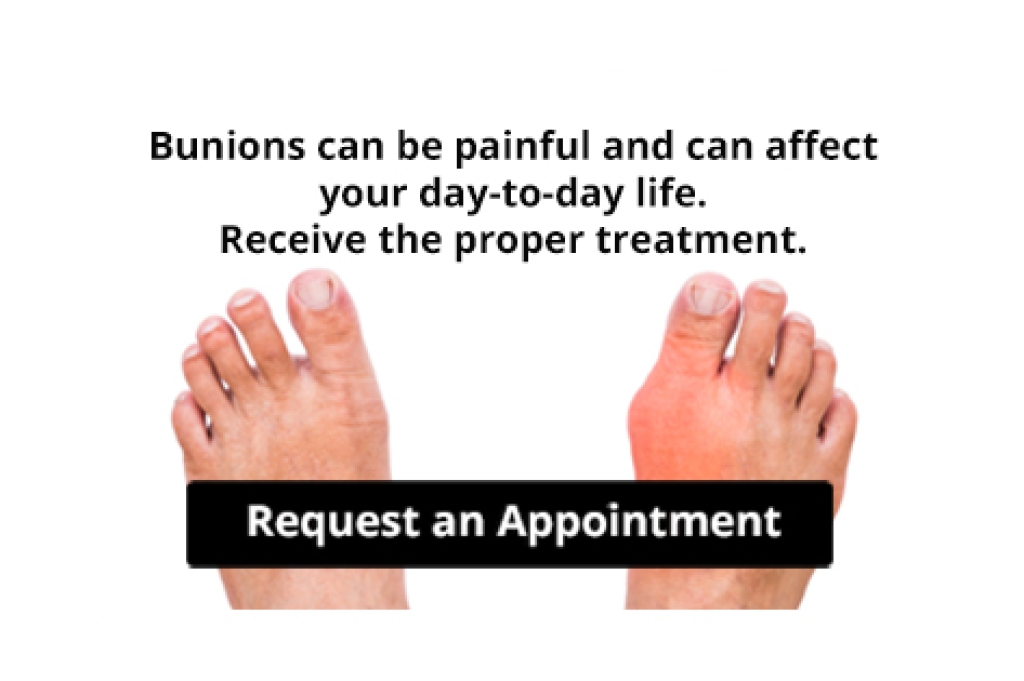
Hallux valgus is a condition where the big toe drifts toward the second toe, creating a bony bump at the joint called a bunion. Shoes that are tight, narrow, or high-heeled can place repeated pressure on the front of the foot. Over time, this pressure may push the big toe out of alignment and strain surrounding soft tissue. Stiff soles and poor arch support can also change how weight is distributed, adding stress to the forefoot. Not everyone who wears these styles will develop this problem, but they can increase risk, especially with genetics or flat feet. Choosing shoes with a wide toe box, supportive structure, and proper fit can help protect alignment and comfort. If you notice changes in your toe position or any pain, it is suggested that you see a podiatrist for evaluation and appropriate care.

If you are suffering from bunions, contact one of our podiatrists of Farah Podiatry Associates. Our doctors can provide the care you need to keep you pain-free and on your feet.

What Is a Bunion?

A bunion is formed of swollen tissue or an enlargement of boney growth, usually located at the base joint of the toe that connects to the foot. The swelling occurs due to the bones in the big toe shifting inward, which impacts the other toes of the foot. This causes the area around the base of the big toe to become inflamed and painful.

Why Do Bunions Form?

Genetics – Susceptibility to bunions are often hereditary

Stress on the feet – Poorly fitted and uncomfortable footwear that places stress on feet, such as heels, can worsen existing bunions

How Are Bunions Diagnosed?

Podiatrists often perform two tests – blood tests and x-rays – when trying to diagnose bunions, especially in the early stages of development. Blood tests help determine if the foot pain is being caused by something else, such as arthritis, while x-rays provide a clear picture of your bone structure to your provider.

How Are Bunions Treated?

  • Refrain from wearing heels or similar shoes that cause discomfort
  • Select wider shoes that can provide more comfort and reduce pain
  • Anti-inflammatory and pain management drugs
  • Orthotics or foot inserts
  • Surgery

If you have any questions, please feel free to contact our office located in Trenton, MI . We offer the newest diagnostic and treatment technologies for all your foot care needs.

Read more about Bunions

Dealing With Painful Gout Attacks

Gout is a form of inflammatory arthritis that often appears without warning, frequently affecting the big toe. The joint may become intensely painful, red, warm, and swollen, sometimes overnight. The skin can look tight or shiny, and even light pressure from a sheet may feel uncomfortable. This condition develops when uric acid builds up in the bloodstream and forms sharp crystals within the joint. Triggers may include certain foods, dehydration, alcohol use, or underlying medical conditions that affect how the body processes uric acid. A podiatrist can identify gout through a physical exam, medical history, and diagnostic testing. Treatment focuses on reducing inflammation and preventing future attacks through medication, lifestyle adjustments, and supportive care. Addressing symptoms early can help protect the joint from long-term damage. If you suspect you have gout, it is suggested that you make an appointment with a podiatrist.

Gout is a painful condition that can be treated. If you are seeking treatment, contact one of our podiatrists from Farah Podiatry Associates. Our doctors will treat your foot and ankle needs.

What Is Gout?

Gout is a form of arthritis that is characterized by sudden, severe attacks of pain, redness, and tenderness in the joints. The condition usually affects the joint at the base of the big toe. A gout attack can occur at any random time, such as the middle of the night while you are asleep.

Symptoms

  • Intense Joint Pain - Usually around the large joint of your big toe, and it most severe within the first four to twelve hours
  • Lingering Discomfort - Joint discomfort may last from a few days to a few weeks
  • Inflammation and Redness -Affected joints may become swollen, tender, warm and red
  • Limited Range of Motion - May experience a decrease in joint mobility

Risk Factors

  • Genetics - If family members have gout, you’re more likely to have it
  • Medications - Diuretic medications can raise uric acid levels
  • Gender/Age - Gout is more common in men until the age of 60. It is believed that estrogen protects women until that point
  • Diet - Eating red meat and shellfish increases your risk
  • Alcohol - Having more than two alcoholic drinks per day increases your risk
  • Obesity - Obese people are at a higher risk for gout

Prior to visiting your podiatrist to receive treatment for gout, there are a few things you should do beforehand. If you have gout you should write down your symptoms--including when they started and how often you experience them, important medical information you may have, and any questions you may have. Writing down these three things will help your podiatrist in assessing your specific situation so that he or she may provide the best route of treatment for you.

If you have any questions, please feel free to contact our office located in Trenton, MI . We offer the newest diagnostic and treatment technologies for all your foot care needs.

Read more about Everything You Need to Know About Gout
scroll to top