Same Day Emergency Appointments Available

When to Seek Treatment for Hammertoe

Hammertoe is a foot deformity that causes one or more toes to bend abnormally at the middle joint, creating a curled or hammer-like appearance. The condition most often affects the second, third, or fourth toes and can develop gradually. In the early stages, the affected toe may still be flexible, but it can become more rigid as the condition progresses. Hammertoe may cause discomfort while walking, standing, or wearing shoes. Many people also develop corns, calluses, or areas of irritation where the bent toe rubs against footwear. Because hammertoe can worsen over time, early evaluation is important for maintaining foot health and mobility.

Several factors may contribute to the development of hammertoe. Muscle imbalances within the foot can cause the toe to remain in a bent position, while certain foot structures may increase the likelihood of the condition. Previous injuries and underlying joint conditions can also play a role. As the toe becomes more contracted, pressure on the affected joint often increases. This added stress can lead to pain, swelling, and difficulty fitting comfortably into shoes. In some cases, hammertoe may affect balance and walking patterns, placing additional strain on other areas of the foot. Identifying the cause of the condition is an important step in determining the most effective treatment approach.

A podiatrist can evaluate the severity of hammertoe and assess how the condition is affecting overall foot function. Through a comprehensive examination, a podiatrist can identify contributing factors and recommend appropriate treatment options. Professional care focuses on improving comfort, reducing pressure on the affected toe, and helping maintain proper foot mechanics. Early intervention may help prevent the condition from becoming more severe and reduce the risk of complications. Maintaining healthy foot alignment is important for long-term mobility and comfort. If you have developed hammertoe, it is suggested that you consult a podiatrist for an evaluation and appropriate treatment options.

Hammertoe

Hammertoes can be a painful condition to live with. For more information, contact one of our podiatrists from Farah Podiatry Associates. Our doctors will answer any of your foot- and ankle-related questions.

Hammertoe is a foot deformity that affects the joints of the second, third, fourth, or fifth toes of your feet. It is a painful foot condition in which these toes curl and arch up, which can often lead to pain when wearing footwear.

Symptoms

  • Pain in the affected toes
  • Development of corns or calluses due to friction
  • Inflammation
  • Redness
  • Contracture of the toes

Causes

Genetics – People who are genetically predisposed to hammertoe are often more susceptible

Arthritis – Because arthritis affects the joints in your toes, further deformities stemming from arthritis can occur

Trauma – Direct trauma to the toes could potentially lead to hammertoe

Ill-fitting shoes – Undue pressure on the front of the toes from ill-fitting shoes can potentially lead to the development of hammertoe

Treatment

Orthotics – Custom made inserts can be used to help relieve pressure placed on the toes and therefore relieve some of the pain associated with it

Medications – Oral medications such as anti-inflammatories or NSAIDs could be used to treat the pain and inflammation hammertoes causes. Injections of corticosteroids are also sometimes used

Surgery – In more severe cases where the hammertoes have become more rigid, foot surgery is a potential option

If you have any questions, please feel free to contact our office located in Trenton, MI . We offer the newest diagnostic and treatment technologies for all your foot care needs.
Read more about Hammertoe

Who Commonly Develops Plantar Warts

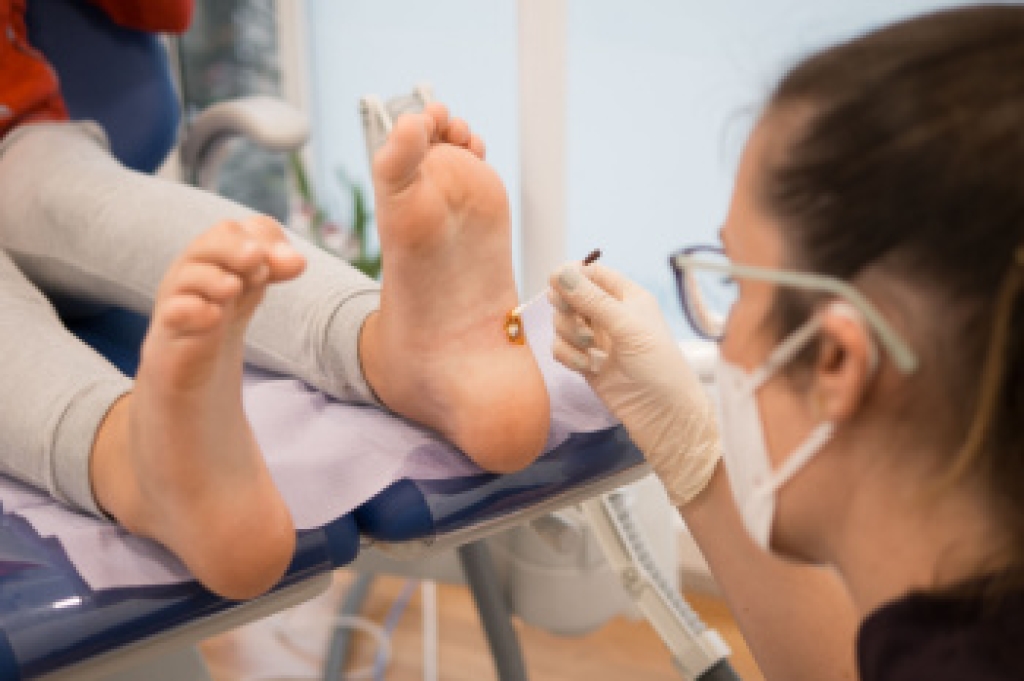
Plantar warts are skin growths that appear on the bottom of the foot after exposure to certain viruses that enter through small breaks in the skin. They can affect people of all ages, but are seen more often in children, teenagers, and young adults. Shared environments like locker rooms, pool decks, and communal showers may increase exposure risk. People who sweat heavily, walk barefoot in public spaces, or have weakened immune defenses may also be more likely to develop them. These growths can appear as rough, thickened areas on weight-bearing parts of the foot and may become painful while walking or standing. Because they can resemble calluses or other skin conditions, proper diagnosis is important. Some resolve over time, while others persist or spread. If you have a painful skin lesion on the bottom of your foot, it is suggested that you visit a podiatrist for an evaluation and appropriate treatment.

Plantar warts can be very uncomfortable. If you need your feet checked, contact one of our podiatrists from Farah Podiatry Associates. Our doctors will assist you with all of your foot and ankle needs.

About Plantar Warts

Plantar warts are the result of HPV, or human papillomavirus, getting into open wounds on the feet. They are mostly found on the heels or balls of the feet.

While plantar warts are generally harmless, those experiencing excessive pain or those suffering from diabetes or a compromised immune system require immediate medical care. Plantar warts are easily diagnosed, usually through scraping off a bit of rough skin or by getting a biopsy.

Symptoms

  • Lesions on the bottom of your feet, usually rough and grainy
  • Hard or thick callused spots
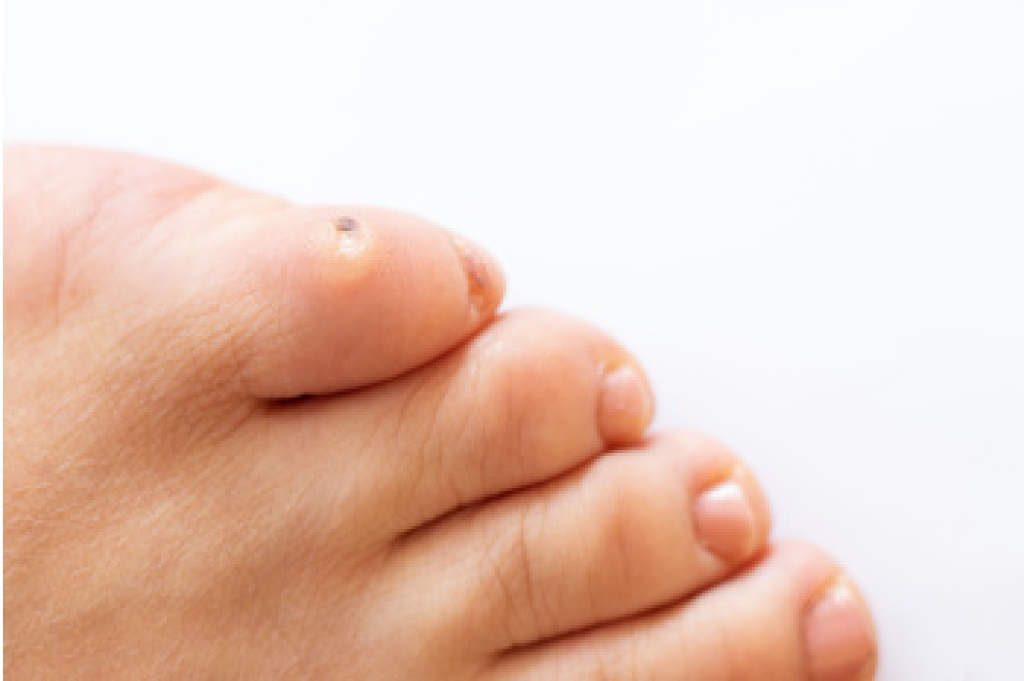
  • Wart seeds, which are small clotted blood vessels that look like little black spots
  • Pain, discomfort, or tenderness of your feet when walking or standing

Treatment

  • Freezing
  • Electric tool removal
  • Laser Treatment
  • Topical Creams (prescription only)
  • Over-the-counter medications

To help prevent developing plantar warts, avoid walking barefoot over abrasive surfaces that can cause cuts or wounds for HPV to get into. Avoiding direct contact with other warts, as well as not picking or rubbing existing warts, can help prevent the further spread of plantar warts. However, if you think you have developed plantar warts, speak to your podiatrist. He or she can diagnose the warts on your feet and recommend the appropriate treatment options.

If you have any questions, please feel free to contact our office located in Trenton, MI . We offer the newest diagnostic and treatment technologies for all your foot care needs.
Read more about What Are Plantar Warts?

Ankle Arthritis and Joint Pain

Ankle arthritis is a condition where the cartilage in the ankle joint gradually wears down, leading to pain, stiffness, and reduced movement. It can develop from previous injuries such as fractures or sprains, or from long-term wear and tear on the joint. Inflammatory conditions like rheumatoid arthritis may also contribute to its development. Common symptoms include swelling, aching pain when walking, and stiffness that is often worse in the morning or after rest. Some people may notice difficulty with daily activities like climbing stairs or standing for long periods. Risk factors include aging, repetitive joint stress, obesity, and prior ankle trauma. Over time, the condition can progress and affect mobility if not properly managed. A podiatrist can evaluate joint damage, order imaging, and provide treatments to reduce pain and improve function. If you have symptoms of ankle arthritis, it is suggested that you consult a podiatrist who can offer appropriate relief and management tips. 

Arthritis can be a difficult condition to live with. If you are seeking treatment, contact one of our podiatrists from Farah Podiatry Associates. Our doctors can provide the care you need to keep you pain-free and on your feet.

Arthritic Foot Care  

Arthritis is a joint disorder that involves the inflammation of different joints in your body, such as those in your feet. Arthritis is often caused by a degenerative joint disease and causes mild to severe pain in all affected areas. In addition to this, swelling and stiffness in the affected joints can also be a common symptom of arthritis.

In many cases, wearing ill-fitting shoes can worsen the effects and pain of arthritis. Wearing shoes that have a lower heel and extra room can help your feet feel more comfortable. In cases of rheumatoid arthritis, the arch in your foot may become problematic. Buying shoes with proper arch support that contour to your feet can help immensely.

Alleviating Arthritic Pain

  • Exercises that stretch the foot can prevent further pain and injury and increase mobility
  • Most of the pain can be alleviated with anti-inflammatory drugs, heat, and topical medications
  • Massages can help temporarily alleviate pain.

It is best to see your doctor for the treatment that is right for your needs and symptoms. Conditions vary, and a podiatrist can help you determine the right method of care for your feet.

If you have any questions please feel free to contact our office located in Trenton, MI . We offer the newest diagnostic tools and technology to treat your foot and ankle needs.

Read more about Arthritic Foot Care

Understanding Foot Corns

A foot corn is a thickened area of skin that develops from repeated pressure or friction. It often appears as a small, raised bump with a hardened center that can become painful when pressed. There are different types of corns. Hard corns usually form on the tops of toes or areas with constant pressure. Soft corns develop between toes where moisture is present, giving them a softer texture. Additionally, seed corns are smaller and often found on the bottom of the foot. Corns form when the skin tries to protect itself from irritation caused by wearing tight shoes, abnormal foot structure, or repeated movement. A podiatrist can safely remove corns, identify the source of pressure, and recommend solutions to prevent recurrence. Proper care helps reduce discomfort and protect skin health. Corns can be painful, and may cause difficulty in completing daily activities. If you have developed a corn, it is suggested that you consult a podiatrist who can offer effective relief solutions, which may include removal.

Corns can make walking very painful and should be treated immediately. If you have questions regarding your feet and ankles, contact one of our podiatrists of Farah Podiatry Associates. Our doctors will treat your foot and ankle needs.

Corns: What Are They? And How Do You Get Rid of Them?
Corns are thickened areas on the skin that can become painful. They are caused by excessive pressure and friction on the skin. Corns press into the deeper layers of the skin and are usually round in shape.

Ways to Prevent Corns
There are many ways to get rid of painful corns such as:

  • Wearing properly fitting shoes that have been measured by a professional
  • Wearing shoes that are not sharply pointed or have high heels
  • Wearing only shoes that offer support

Treating Corns

Although most corns slowly disappear when the friction or pressure stops, this isn’t always the case. Consult with your podiatrist to determine the best treatment option for your case of corns.

If you have any questions, please feel free to contact our office located in Trenton, MI . We offer the newest diagnostic and treatment technologies for all your foot care needs.

Read more about Understanding Corns and Calluses

Understanding Gout Flares

Gout is a painful form of arthritis that develops when uric acid builds up in the body and forms sharp crystals in the joints. Gout commonly affects the big toe, but it can also affect the ankle and other foot joints. A gout flare usually begins suddenly causing intense pain and swelling. Redness, warmth, and tenderness may also occur. Even light pressure from a shoe or bed sheet can cause discomfort. Gout flares can last for several days, and may return if the condition is not properly managed. Risk factors include kidney problems, obesity, and alcohol use. Sugary drinks and joint injuries are other factors. A podiatrist can diagnose gout through an exam, imaging studies, and laboratory testing. Treatment includes reducing inflammation, protecting the affected joint, and helping prevent future flare-ups that can damage the joints. If you have symptoms of gout, it is suggested that you schedule an appointment with a podiatrist for help in managing this painful condition.

Gout is a foot condition that requires certain treatment and care. If you are seeking treatment, contact one of our podiatrists from Farah Podiatry Associates. Our doctors will treat your foot and ankle needs.

What Is Gout?

Gout is a type of arthritis caused by a buildup of uric acid in the bloodstream. It often develops in the foot, especially the big toe area, although it can manifest in other parts of the body as well. Gout can make walking and standing very painful and is especially common in diabetics and the obese.

People typically get gout because of a poor diet. Genetic predisposition is also a factor. The children of parents who have had gout frequently have a chance of developing it themselves.

Gout can easily be identified by redness and inflammation of the big toe and the surrounding areas of the foot. Other symptoms include extreme fatigue, joint pain, and running high fevers. Sometimes corticosteroid drugs can be prescribed to treat gout, but the best way to combat this disease is to get more exercise and eat a better diet.

If you have any questions, please feel free to contact our office located in Trenton, MI . We offer the newest diagnostic and treatment technologies for all your foot care needs.

Read more about Gout
scroll to top